

The renovation process may greatly affect the appearance, functionality and comfort of the home. A new interior, improved lighting, better layout and upgraded facilities can bring new life into the house. However, villa renovation mistakes may result in serious problems and unnecessary expenses for the home owner who does not plan carefully enough.
Most renovation problems do not actually start during construction. They show up earlier, when homeowners underestimate the amount of work, pick materials too quickly, or begin without a real plan. If you know these common slip ups, you can make calmer choices before any work starts.
Starting Without a Clear Renovation Plan
One of the biggest villa renovation mistakes is starting renovation work before you decide what truly needs to be changed. A homeowner might have a general vibe, like wanting a modern kitchen, bigger rooms, or a more refined interior, but those feelings still need to become something practical.
The scope should include the zones that will be worked on, expected finishes, any structural adjustments, electrical needs, plumbing tasks, storage requirements and other key details. Homeowners planning to work with luxury villa renovation contractors Dubai should talk through the full scope before signing anything. Because once things are locked in, it’s hard to unwind later.
A good plan helps everyone stay on the same track about what the finished property should look like. It also lowers the risk of expensive revisions after construction has already begun, which is usually where budgets start to drift.
Underestimating the Budget
A common mistake is preparing a budget that’s mostly based on visible improvements. Villa renovation mistakes often happen when homeowners focus only on paint, flooring, cabinets, lighting, and furniture while overlooking less obvious renovation costs.
For example, older villas may need electrical upgrades, plumbing repairs, waterproofing, structural adjustments, or upgrades to air-conditioning systems. These problems might only show up after walls or floors are opened up, and suddenly you realize it’s not just surface-level work.
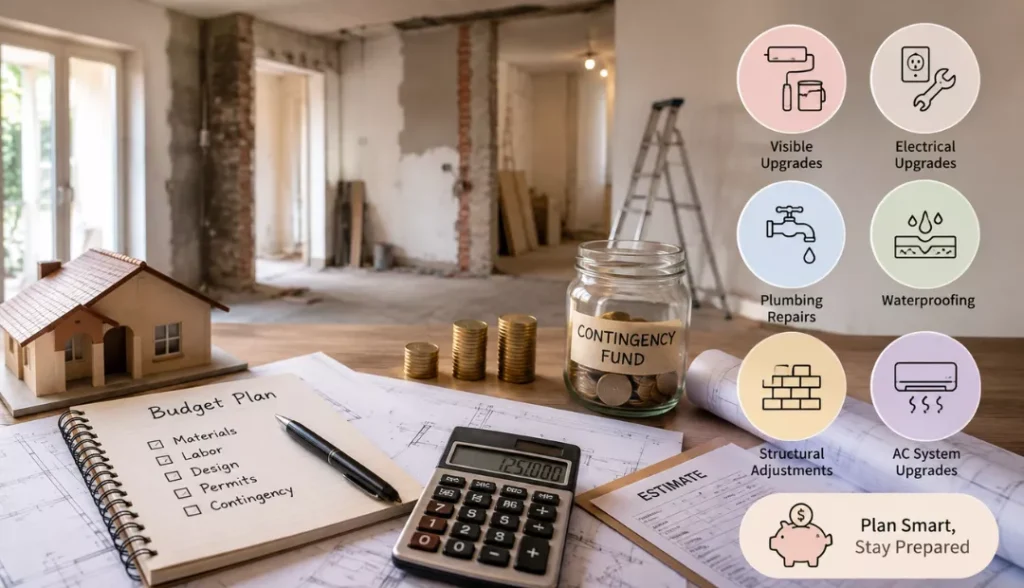
So a sensible budget should cover the full scope of work, rather than just decorating items. It also helps to leave some financial breathing space for unexpected work, instead of using up the entire budget right at the start.
Choosing a Contractor Based Only on Price
The lowest quotation might look tempting, yet price alone should not be the deciding factor. A very low estimate can, sometimes, omit important tasks, materials, or services from the scope.
Homeowners should compare the quotations carefully, and check what each one actually includes. Things like prior projects, experience with similar villas, project management, workmanship, timelines, warranties, and communication should all be reviewed.
A detailed quotation is particularly useful because it makes it easier to spot the differences between contractors. It also gives a more solid basis for discussing changes later on, without everything feeling vague or shaky.
Ignoring Permits and Approvals
Renovation work in Dubai may need approvals depending on what you are doing and where the project sits. Dubai Municipality has certain procedures for building permits, not only for big commercial projects but also for residential villas. There is also the Dubai Building Code, and it gives minimum requirements that touch things like safety, building design, and environmental considerations.
So homeowners should not quietly assume that renovation work always starts right away, because approvals sometimes come into play. Structural changes, extensions, and other major modifications can need permissions, even if the work seems fairly common.
It is usually wiser to learn what approvals are required before construction begins. If you push it aside, delays can happen, and it can also influence the total renovation cost, not just the timeline.
Making Design Decisions Too Quickly
Trends can be helpful for inspiration, but they should not end up steering every decision you make. A look that seems amazing in photos may end up feeling wrong, or simply impractical for the real size, the layout, and even the daily routine inside a specific villa.
Homeowners should pause and think about how every area is actually used. A stunning kitchen still needs proper storage and enough room for normal movement. A bigger living area should allow comfortable circulation, not awkward paths. Bathrooms likewise need reliable ventilation and finishes that can handle everyday wear.
In the end, the best renovation choices tend to mix visual appeal with practical function for living, so the spaces still feel good after the first weeks.
Replacing Finishes Without Checking What Is Behind Them
It is easy to look only at the surfaces you can see, like tiles, flooring, walls and ceilings. But renovation often gives homeowners a chance to inspect systems that usually remain hidden. You know, behind everything. Like it’s just there, waiting.
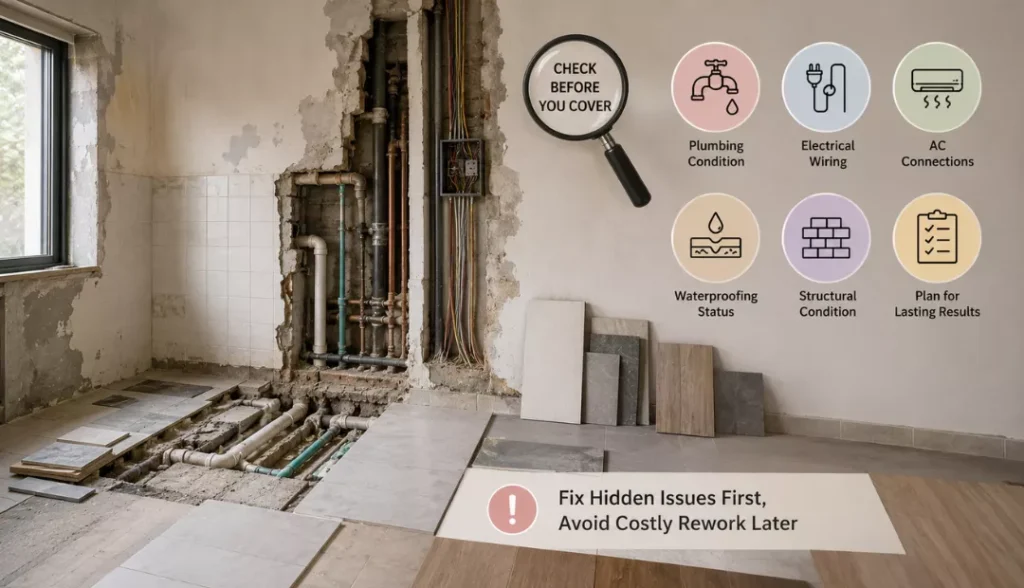
Before installing fresh finishes, homeowners should take a moment to judge the condition of plumbing, electrical wiring, air-conditioning links, waterproofing, and other underlying systems. Also, new fixtures may ask for different things from what’s already in place.
If you spend a lot on new finishes, while leaving a serious issue behind them, it can end with yet another round of disruptive work later. So, you fix one layer and then suddenly there’s a second problem.
Changing the Scope During Construction
Changing your mind during a renovation is understandable. Still, frequent alterations after construction starts can bring delays, plus extra costs, too.
For instance, moving a wall can impact electrical wiring, plumbing, flooring, ceilings, and other tied-in tasks. Even a “small” design tweak can turn into a domino-like chain reaction across several parts of the project, not just one section.
That’s why homeowners should settle most major decisions before work begins. If a change becomes unavoidable, its cost and influence on the timeline should be discussed first, before you sign off on it.
Overlooking Long-Term Maintenance
A renovation shouldn’t just be judged on how nice the place looks on completion day. Materials and systems have to be looked at too, not only for the finish, but also for the long haul. Like, you should think about what it will cost and take later to keep everything in proper shape.
In Dubai, the climate can really test exterior materials, cooling systems, waterproofing and even outdoor spaces. If you pick products only because they look good in the showroom, you can end up with avoidable maintenance headaches later on.
Durability, ease of cleaning, how readily parts are available for a future swap, and the energy impact should all be part of how the choice is made.
Failing to Communicate Clearly With the Renovation Team
Even when the design is strong, problems can pop up if communication is weak or unclear. Homeowners should understand who is actually coordinating the work and how decisions, progress updates, approvals, and modifications will be handled day to day.
Frequent check-ins during the build help surface concerns early, before they grow into bigger issues. It’s also smart to write down key decisions and any agreed changes, rather than depending only on spoken explanations.
Clear communication creates more visibility for homeowners and helps the renovation team stay aligned with the same expectations, instead of drifting in different directions.
Working With an Unclear Contract
A renovation agreement should explain, more or less, what the work is actually about materials, payment stages, expected timeline, who does what, and how updates or changes are handled. If it skips details it can become kinda messy later.
When the contract is vague the homeowner and the contractor might read it differently, even if they both think they’re right. So before anyone starts work, the homeowner should take a bit of time to go through the terms, and ask questions about anything that feels unclear or missing.
The contract should match the real project, not just be something you sign as a formality. Otherwise, you may end up dealing with “surprises” that neither side agreed to beforehand.
Choosing a Renovation Partner Carefully
A villa renovation typically includes multiple steps, like planning and demolition first, then electrical and plumbing, later the finishing work, and then a final inspection. Because of that, choosing the renovation partner is not something to rush, it matters a lot.
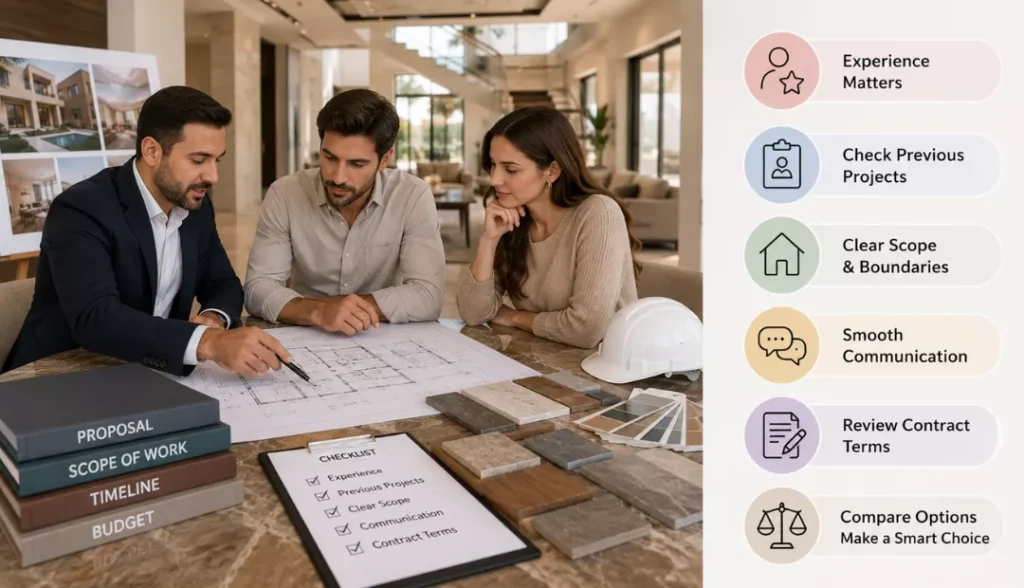
People may come across renovation services in Dubai while researching options for a home project. However, as with any major renovation, homeowners should still consider experience, previous work, the proposed scope and boundaries, day-to-day communication, and contractual terms before making a decision.
Also, if you compare alternatives at this stage, it can help you avoid lots of problems later on, even the smaller ones that slowly add up.
Final Thoughts
Villa renovation gets way more manageable when homeowners plan ahead, before construction even starts. The biggest villa renovation mistakes often involve rushed decisions, underestimated costs, overlooked approvals, price-based contractor choices, and neglected foundational systems. Like the plumbing, electrical, and drainage. Those kinds of things.
A successful renovation isn’t only about crafting a pretty interior. It’s about making sensible choices that align from the first design steps through to completion.
When homeowners define the scope, set a realistic budget, review what’s required, select the appropriate materials, and collaborate with a trustworthy renovation crew, villa renovation mistakes become easier to avoid. As a result, delays and unpleasant surprises tend to drop, while the villa remains functional and appealing for years.
More Ideas to Consider:
- Difference Between Architect and Structural Engineer
- How Architects Present Design Concepts
- Architect Marketing Plan for Online Presence

Dipanjan is a digital marketing professional with five years of hands-on experience across strategy building, content, and performance-driven campaigns. He has worked on building structured marketing systems that focus on reach, engagement, and measurable growth. Known for his analytical thinking and consistency, he brings a practical approach to digital execution. Outside of work, he loves cooking, painting and enjoys exploring interior setups. Connect with him on LinkedIn.