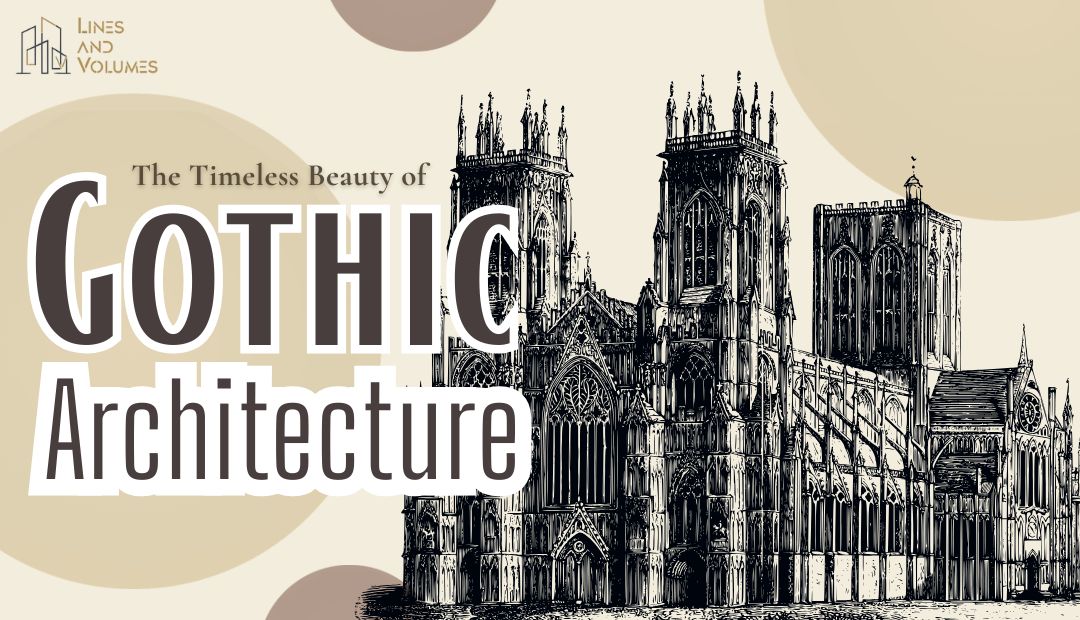
Gothic architecture is a medieval European architectural style that first emerged in northern France around the 12th century and later spread across Europe. For easy identification of Gothic architecture from the exterior, look for pointed arches, flying buttresses, tall spires, and large rose windows.
What Is Gothic Architecture?
It is a medieval architectural style that transformed traditional stone construction into taller, brighter, and more visually striking buildings.
Builders widely used the style in churches, cathedrals, monasteries, synagogues, and other large stone buildings before spreading across Europe.
The style influenced sculpture, painting, textiles, frescoes, and illuminated manuscripts, and remained visible in different forms across Europe into the 16th century.
History of Gothic Architecture
Builders in France began experimenting with methods to create larger, more open and better-lit churches at the beginning of the 12th century. The rebuilding of the Basilica of Saint-Denis (around 1135–1144), associated with Abbot Suger, is usually considered a key milestone in the emergence of Gothic architecture.
The style subsequently spread throughout Europe, with regional variations emerging over time. The style later spread throughout Europe.
The 13th century ushered in the High Gothic style. Further Gothic developments also led to more elaborate designs and even more pronounced regional differences.
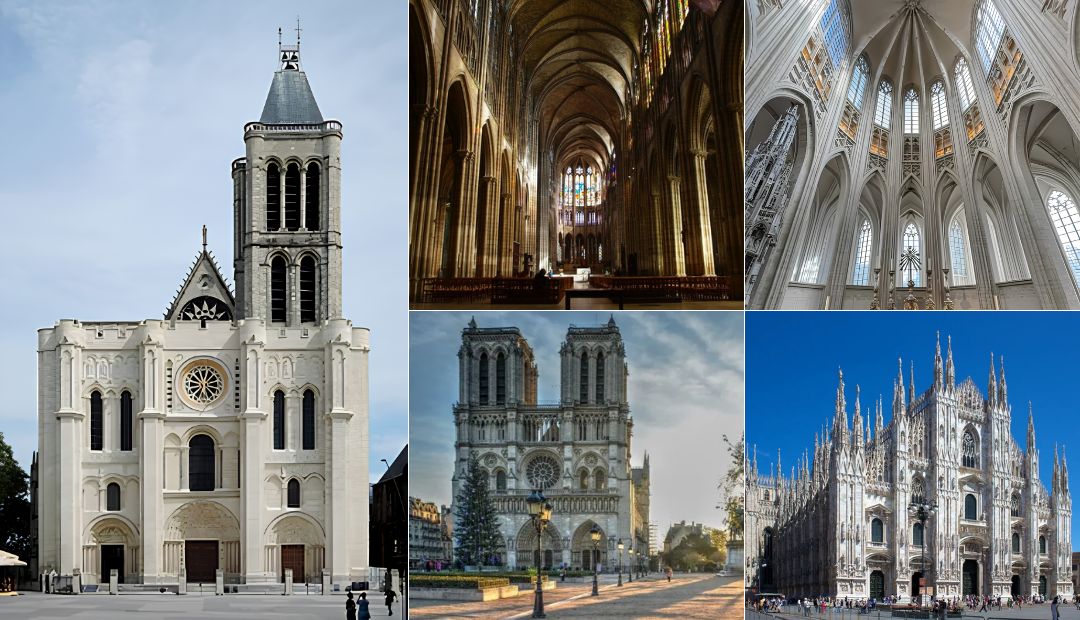
This architecture also distinguished itself through innovative building methods used in large stone structures. Instead of building thick walls that provide the necessary support, Gothic architects and builders used a variety of techniques and structural innovations to achieve larger spaces with bigger windows. This helped create the tall, light-filled spaces that became characteristic of Gothic architecture.
In the 15th and 16th centuries, Gothic architecture continued to thrive, taking on distinct regional forms such as the French Flamboyant and English Perpendicular styles. Even after Gothic architecture’s dominant period ended, its influence returned in the Gothic Revival movement.
Key Characteristics of Gothic Architecture
Several features help distinguish Gothic architecture from other architectural styles.
Pointed Arches
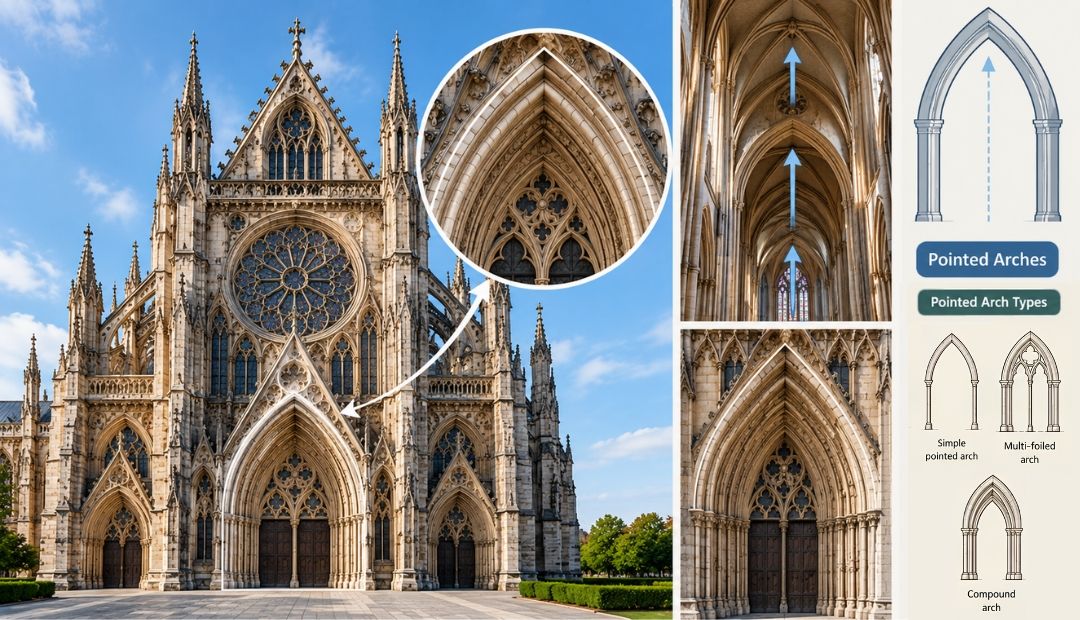
One of the most recognizable features of a Gothic building is its pointed arches. These arches draw the eye upward, reinforcing the vertical emphasis characteristic of Gothic architecture.
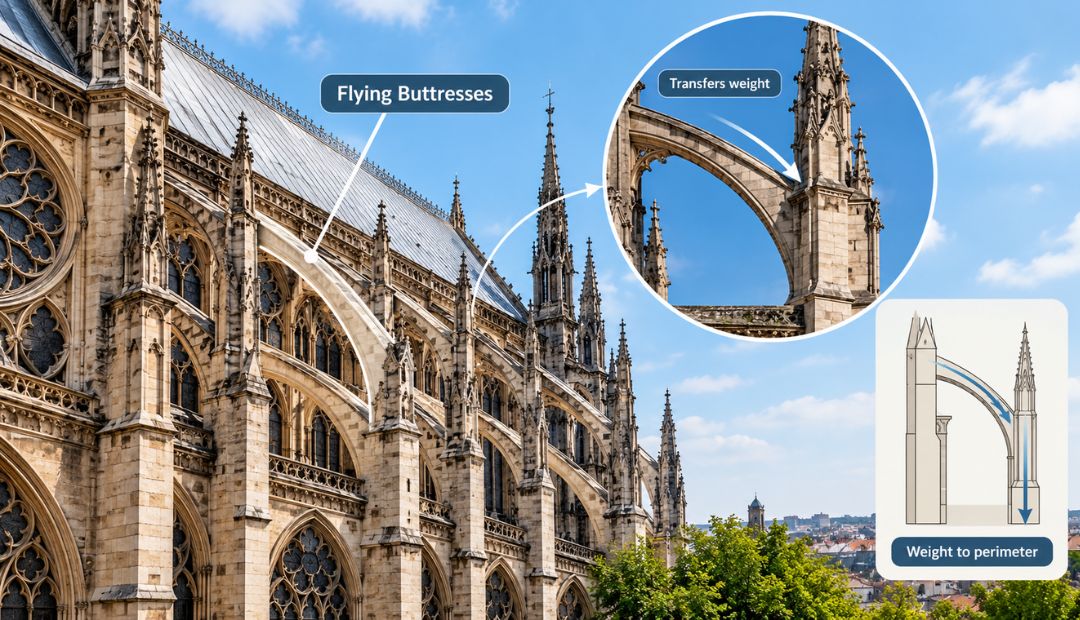
Flying Buttresses
Flying buttresses are an exterior support system that helps transfer a structure’s weight to the perimeter, allowing builders to achieve greater height with thinner walls.
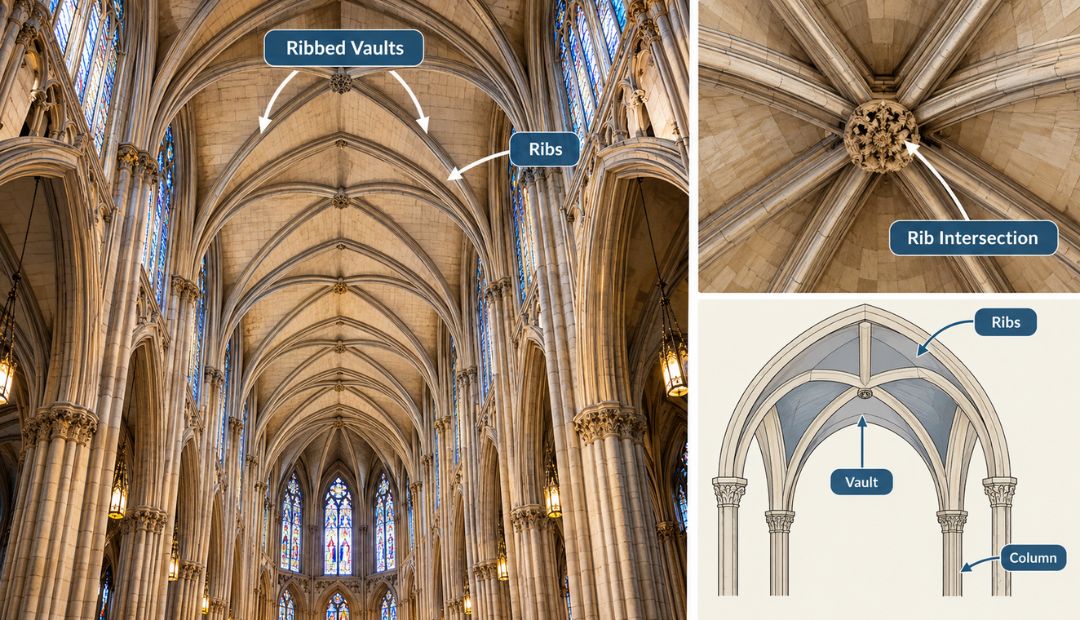
Ribbed Vaults
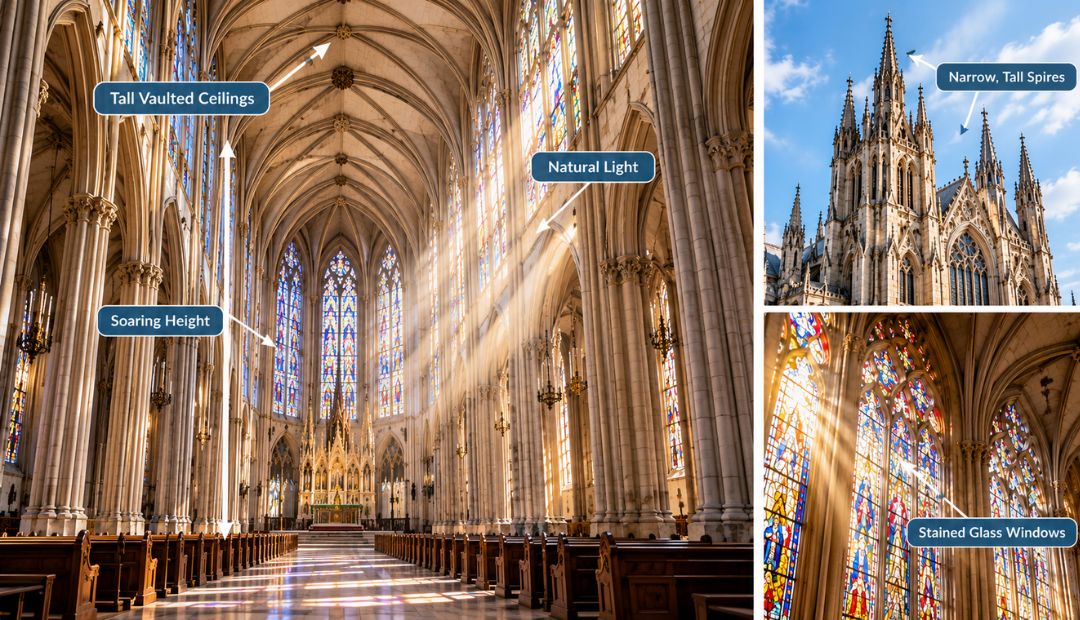
Gothic vaults play a critical role in Gothic design. They help create large vaulted ceilings while adding to the intricate design of Gothic buildings.
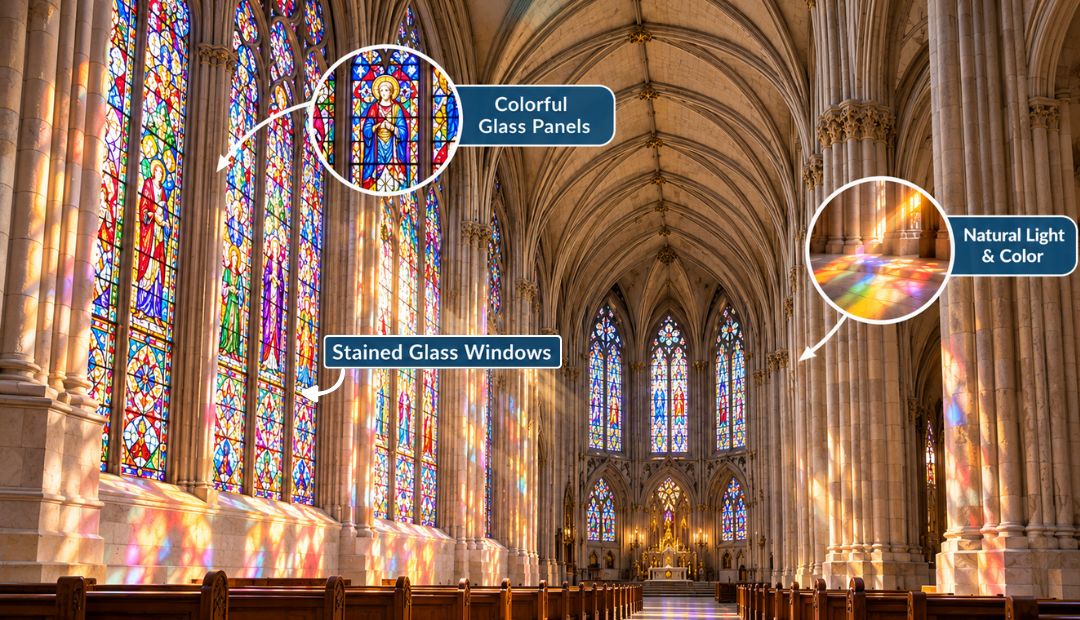
Large Stained Glass Windows
Windows are an important feature of Gothic buildings, bringing natural light and color into the interior through stained glass.
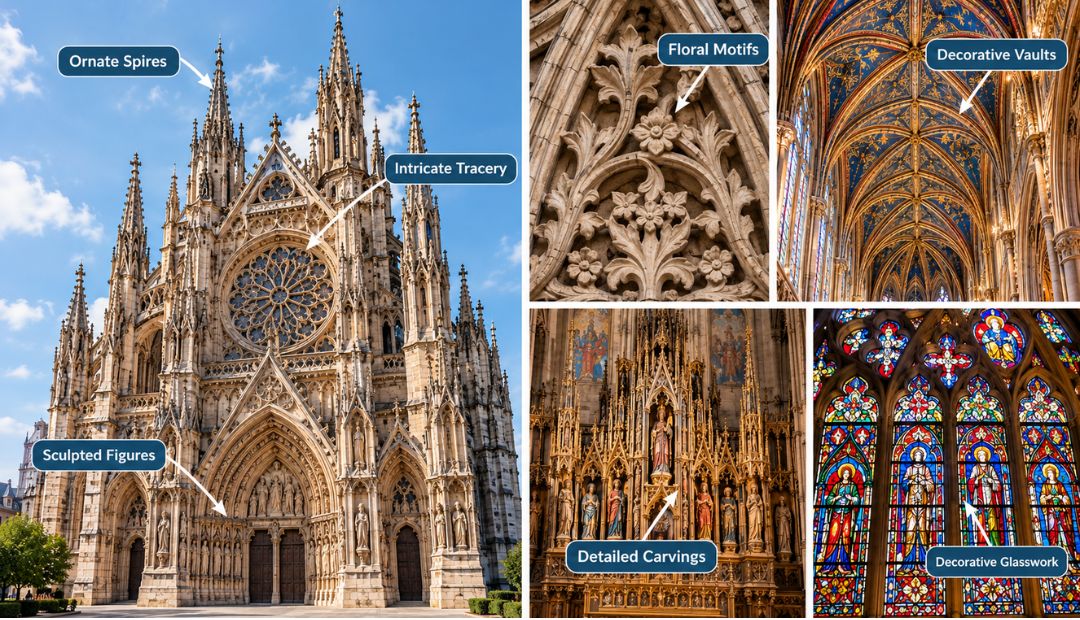
Ornate Decoration
Gothic design features elaborate decoration that extends into other art forms of the period.
Emphasis on Height and Light
Height and light are defining features when it comes to this architecture. Builders wanted these structures to create spacious interiors filled with natural light.
Conclusion
Gothic architecture had a powerful and lasting impact on European design. Many centuries later, as designers once again looked to the past for inspiration, elements of Gothic design reappeared in a variety of architectural styles. Queen Anne architecture is one example of a style that reflects the incorporation of earlier traditions into new building designs.
See More Architectural Styles:
- What Is a Tudor Style House? How To Identify Them
- Hackney House by Architecture for London: A Victorian Retrofit
- El Nido de Quetzalcoatl: Serpent-Shaped Architectural Wonder

Dipanjan is a digital marketing professional with five years of hands-on experience across strategy building, content, and performance-driven campaigns. He has worked on building structured marketing systems that focus on reach, engagement, and measurable growth. Known for his analytical thinking and consistency, he brings a practical approach to digital execution. Outside of work, he loves cooking, painting and enjoys exploring interior setups. Connect with him on LinkedIn.