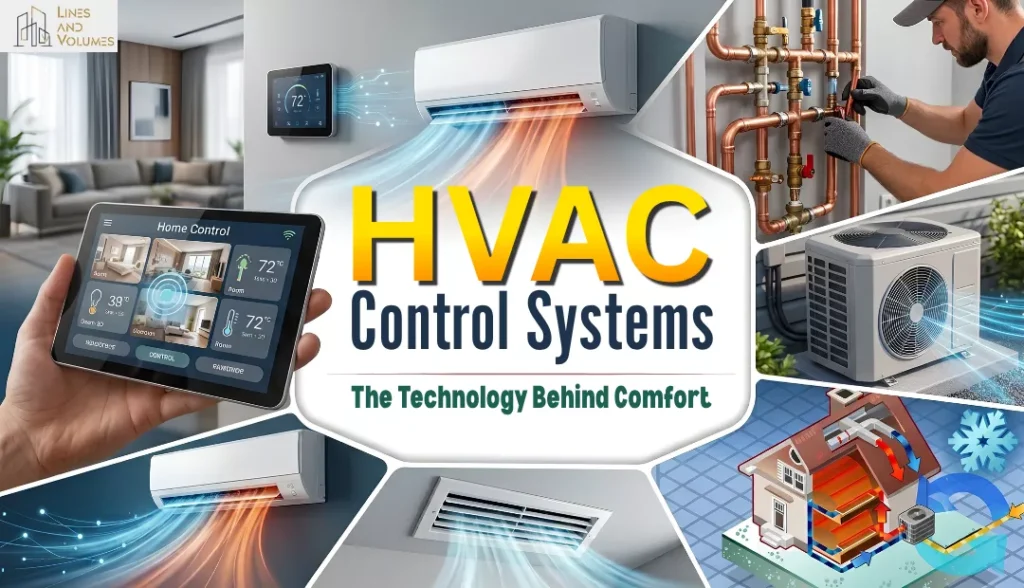
Every home needs a reliable way to stay comfortable during the changing seasons, and comfort depends on more than an air conditioner or furnace. This is where HVAC control systems come into play, which decides when your equipment will turn on, how long it will operate and at what time it will shut down. It is important to understand how these systems work; that will help you to reduce energy consumption and keep your home comfortable.
This guide is all about how HVAC systems function, different types of systems, and the availability of the most popular models.
What Are HVAC Control Systems?
HVAC control systems are technologies that control buildings’ heating and cooling equipment. These systems connect the thermostats, sensors and mechanical components of the system. They keep track of indoor conditions and occupancy that signal the equipment to make necessary adjustments.
In the absence of a controller, the air conditioner or furnace could not be aware of when to start, stop or adjust speed. There are a variety of options from basic mechanical thermostats to advanced systems that automatically learn and remember your patterns.
How HVAC Control Systems Work
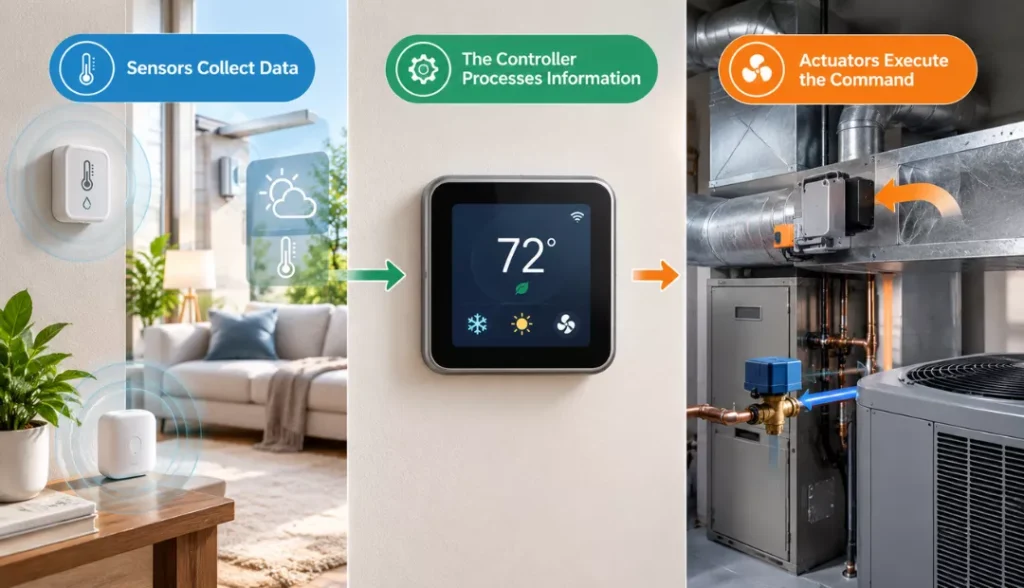
HVAC control systems start with three basic components: sensors, a controller, and actuators.
1. Sensors Collect Data
Humidity and temperature sensors are placed throughout the house to measure the indoor air conditions. Some advanced sensors detect the outdoor air quality and weather conditions to improve performance.
2. The Controller Processes Information
A thermostat or controller uses the data from the sensors to set the desired setting. If the temperature of the room increases or decreases from the desired temperature, the thermostat will take action and improve performance.
3. Actuators Execute the Command
After a decision has been made, actuators like dampers, valves or motors physically adjust the fan speed, airflow, or the system’s output to bring the conditions back to the preferred settings. The continuous process of detecting data, managing operation, and executing the heating and cooling system maintains temperature without the need for manual adjustment.
Types of HVAC Control Systems
Not all control systems are built the same. Here’s a look at the main categories used in homes today.
Manual Thermostats
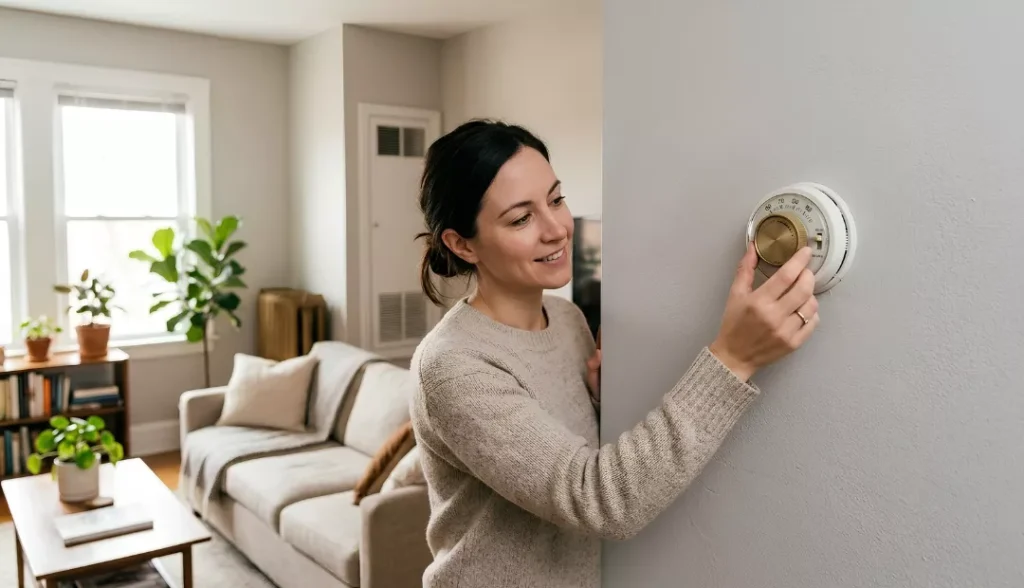
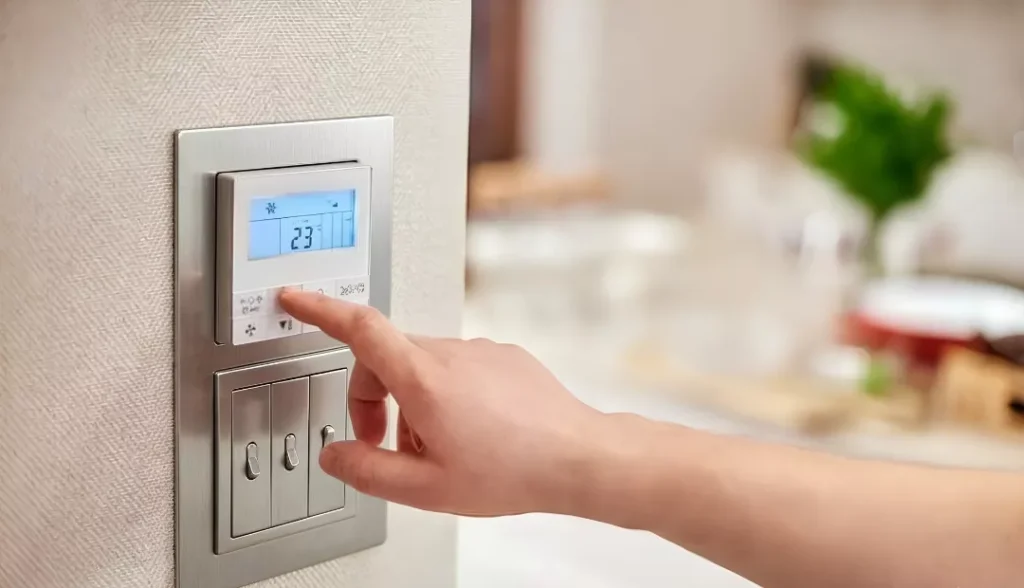
A manual thermostat is the simplest of all, the user manually adjusts the temperature. They’re cost-effective, but they lack automated features and energy-saving options.
Programmable Thermostats
This allows you to make schedules according to your likings. It means the program can adjust the temperature whenever you’re at work, asleep or on vacation. This will reduce energy consumption.
Smart Thermostats
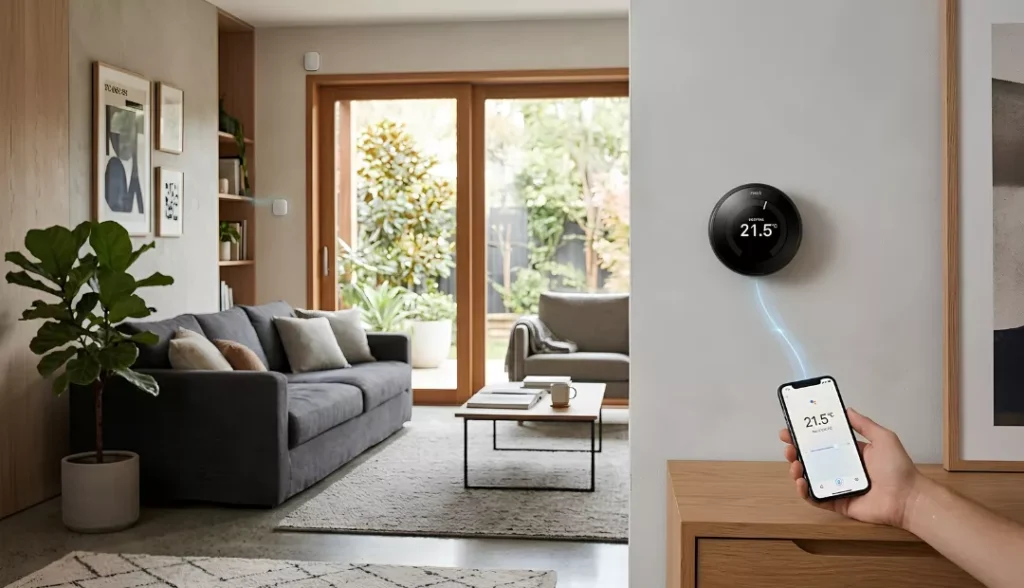
Smart thermostats connect to Wi-Fi and use data from sensors, geofencing, and learning algorithms to improve indoor temperature control. Many of them can be controlled by smartphone applications and offer reports that help to understand the energy consumption patterns.
Zoned Control Systems
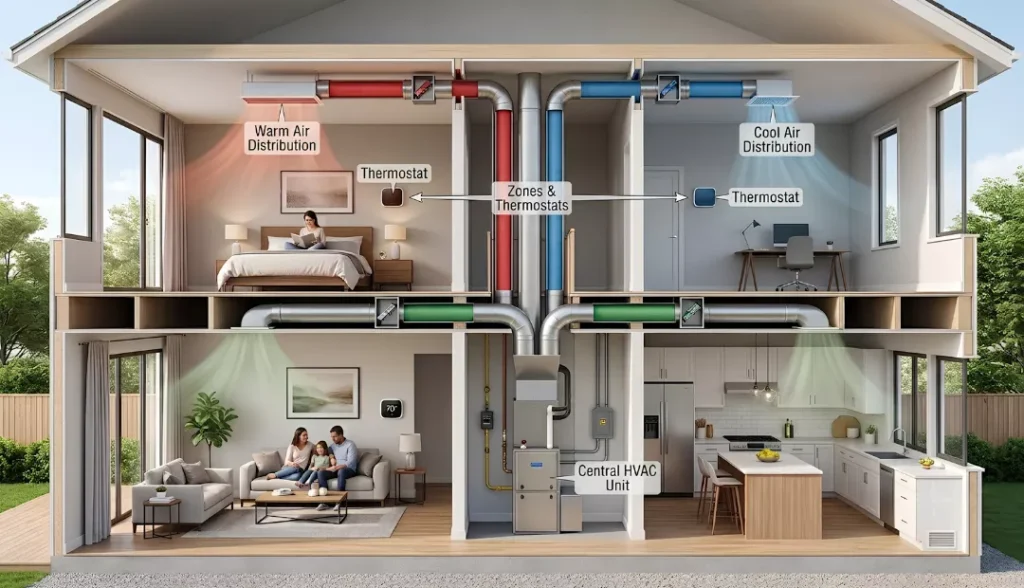
Zoned control systems divide a home into separate areas, each with its own thermostat and dampers. This permits different areas as well as floors to manage the temperature independently. This is particularly helpful for multi-story houses and areas that have uneven temperatures.
Building Automation Systems (BAS)
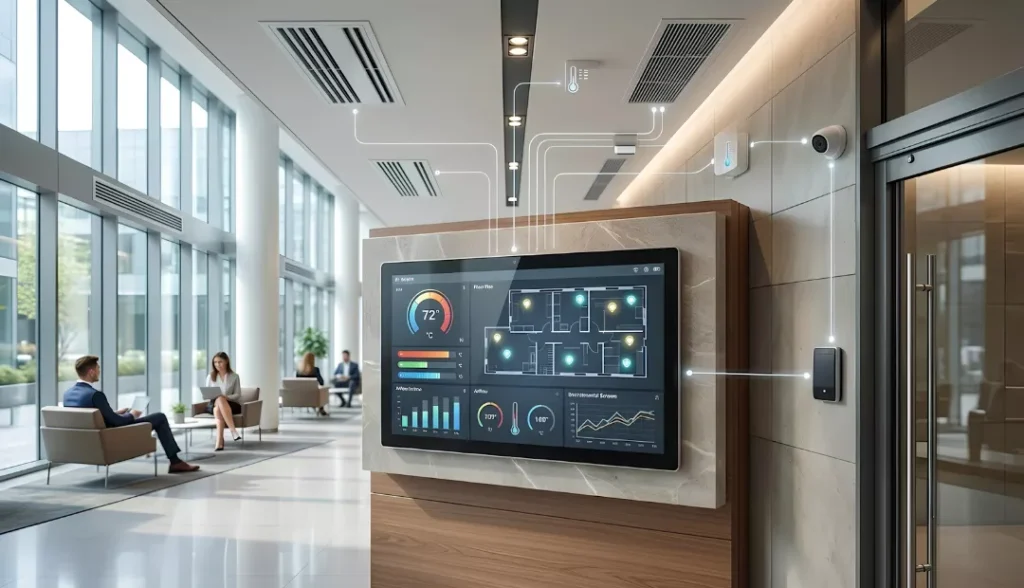
It is more prevalent in commercial environments; some larger residential properties utilize Building Automation Systems that connect HVAC with lighting, security, and other building functions to provide centralized control.
Benefits of a Well-Designed HVAC Control System
A properly designed control system can do more than just turn equipment off and on. What it can do is:
- Consistent comfort – Maintains a steady temperature throughout the home and helps to minimize temperature fluctuation.
- Lower energy costs – Reduces unnecessary heating and cooling cycles by running only when required.
- Longer life span of equipment – Its automation stops the system from overworking, which reduces wear and tear.
- Better air quality – Certain systems monitor the humidity and airflow to support healthy indoor air.
- Remote access – Smart systems allow you to monitor and change settings from anywhere.
Upgrading your control system or setting a new one can definitely help you make your home more efficient and more comfortable.
Frequently Asked Questions
Can I install a thermostat by myself?
A lot of them are easy to install on your own. However, confirm compatibility with the existing wiring. Multi-zone systems and heat pumps generally require a professional installation.
Do zoned systems work with any HVAC unit?
They typically require compatible ductwork and dampers. Retrofitting is possible but best evaluated by an HVAC professional.
How often should I service my HVAC control system?
Sensors and thermostats should be checked at least once a year, ideally during your regular HVAC maintenance visit.
Final Thoughts
HVAC control systems are the center of every comfortable home. From the simplest thermostat to smart control systems, proper installation and setup help your heating and air conditioning system work efficiently and maintain the desired temperature in all zones. Investing in an HVAC control system is an excellent way to improve comfort, cost-effectiveness, and reduce energy bills. They often require compatible ductwork and dampers. The installation of retrofit systems can be possible but it should be evaluated by an HVAC professional.
- How to Maximize Ventilation in Homes
- How to Maintain a Roof in Harsh Weather Conditions
- Ceiling Height Influence on Modern Interior Design

Navdeep is a PHP programmer by profession, & rider by passion with a strong interest in writing, reflection, and travel. His writing draws from daily experiences across online and real-world settings, often influenced by an interest in interior design and how spaces affect mood and function.