
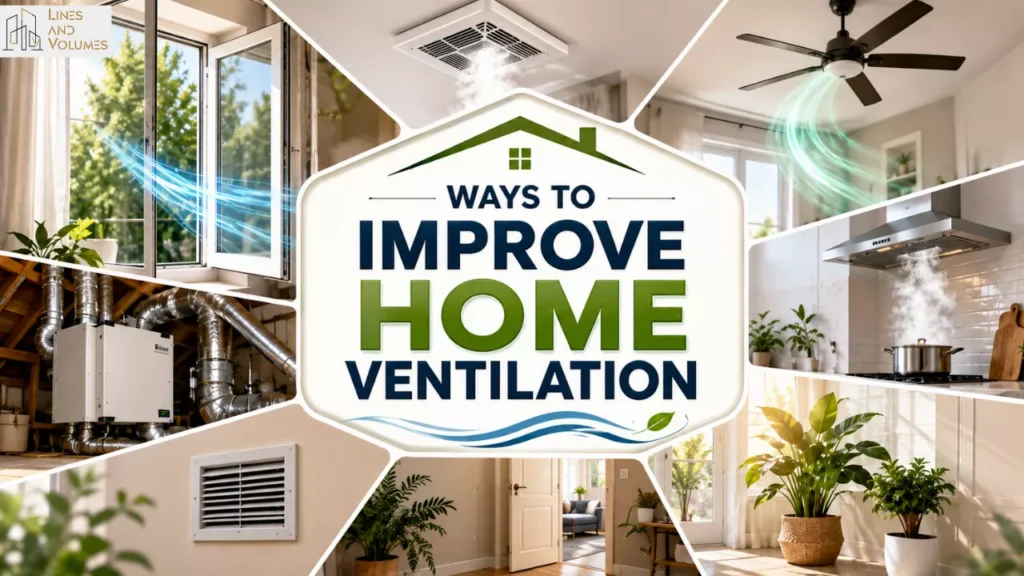
Fresh air plays an important role in keeping the home environment fresh and healthy. If you are wondering how to maximize ventilation in homes, it starts with improving airflow and reducing the buildup of moisture, allergens, and polluted air. Insufficient ventilation can contribute to unpleasant odors, mold growth, and poor indoor air quality. Whether you live in a house or an apartment, better ventilation can improve indoor air quality and make the space feel fresher.
This guide breaks down simple, practical strategies to keep your home’s air fresh, clean, and well-circulated.
Why Home Ventilation Matters
Modern homes are designed to conserve energy and are often tightly sealed. While this helps reduce heating and cooling costs, it can also trap contaminants indoors. Without adequate ventilation, moisture, cooking odors, dust, grease, pet dander, and carbon dioxide can build up. A good ventilation system helps reduce these issues and improves indoor air quality, keeping the home fresher throughout the day.
Signs Your Home Needs Better Ventilation
Before looking at the options, it is essential to recognize the warning signs. Condensation on windows, especially in the winter, is the first sign of poor airflow. If you’re experiencing musty odors, moldy spots, stuffy air or increased allergy symptoms, your home needs more airflow.
Simple Ways to Maximize Ventilation in Homes
1. Open Windows Strategically
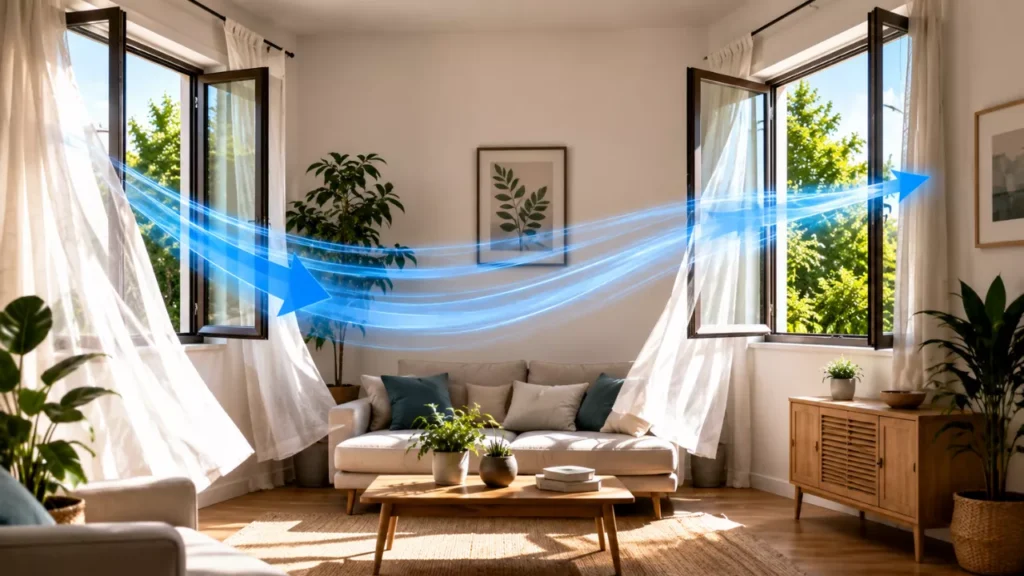
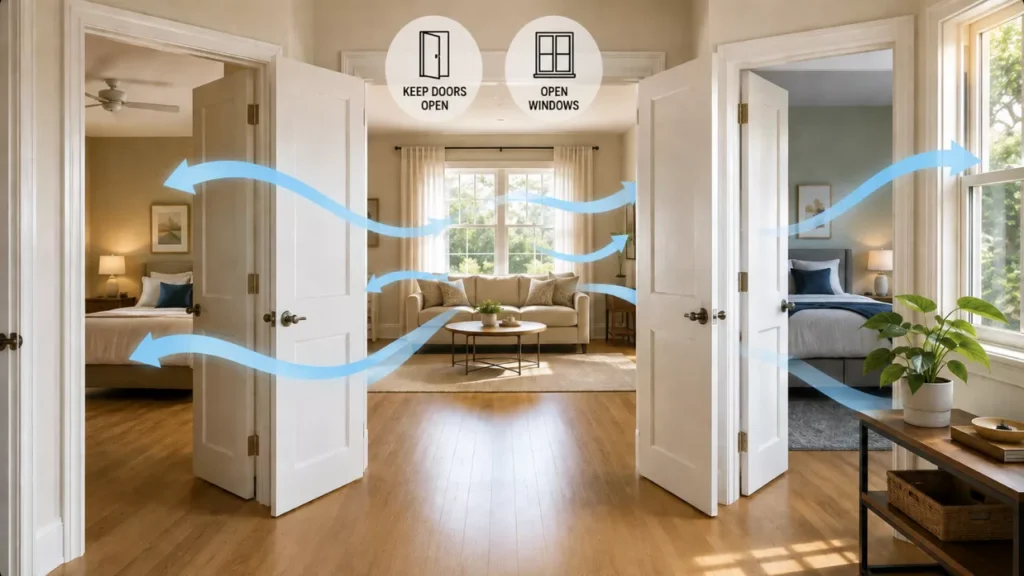
Cross-ventilation is among the simplest and most cost-effective ways to increase airflow. Open windows on opposite sides of the home to create cross-ventilation, allowing outdoor air to flow through the space and replace stale indoor air. Open windows when outdoor temperature, humidity, pollen levels, and air quality make it appropriate.
2. Use Exhaust Fans in Key Areas
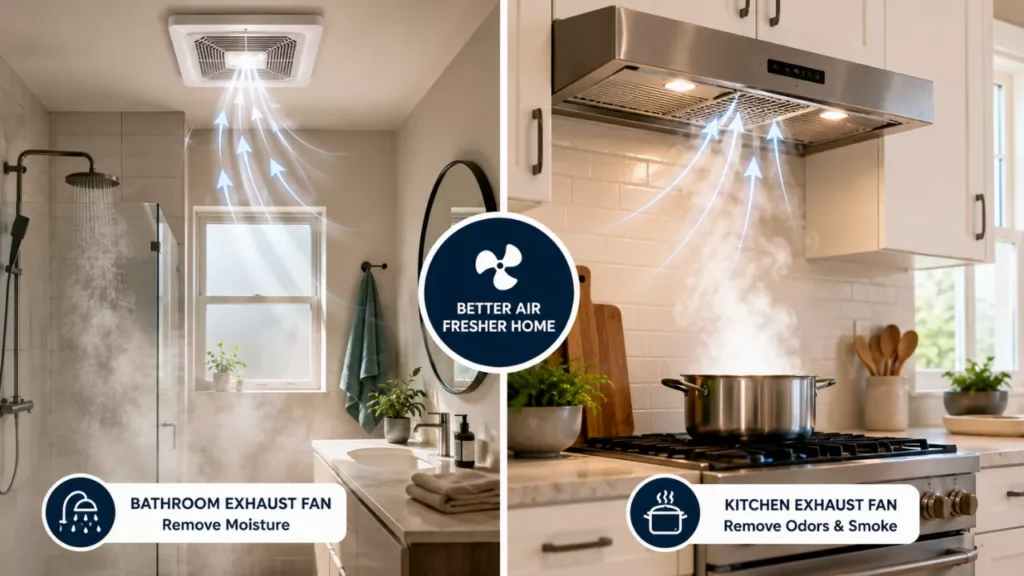
Bathrooms and kitchens create the most odors and moisture. Exhaust fans can help eliminate extra moisture before it accumulates on ceilings and walls. The bathroom fan should be turned on during or after showers and use exhaust in the kitchen while cooking. This simple practice helps to keep the air fresh.
3. Install Trickle Vents or Air Bricks
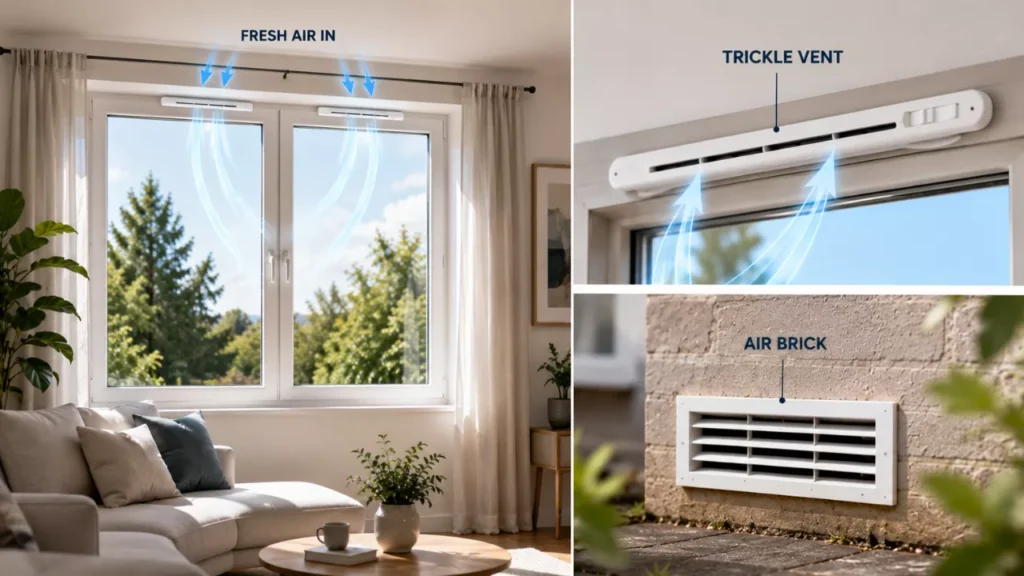
For houses with double-glazed or sealable windows, trickle vents offer a small, steady amount of air, without creating drafts or much noise. They are particularly helpful for living rooms and bedrooms where windows are often closed.
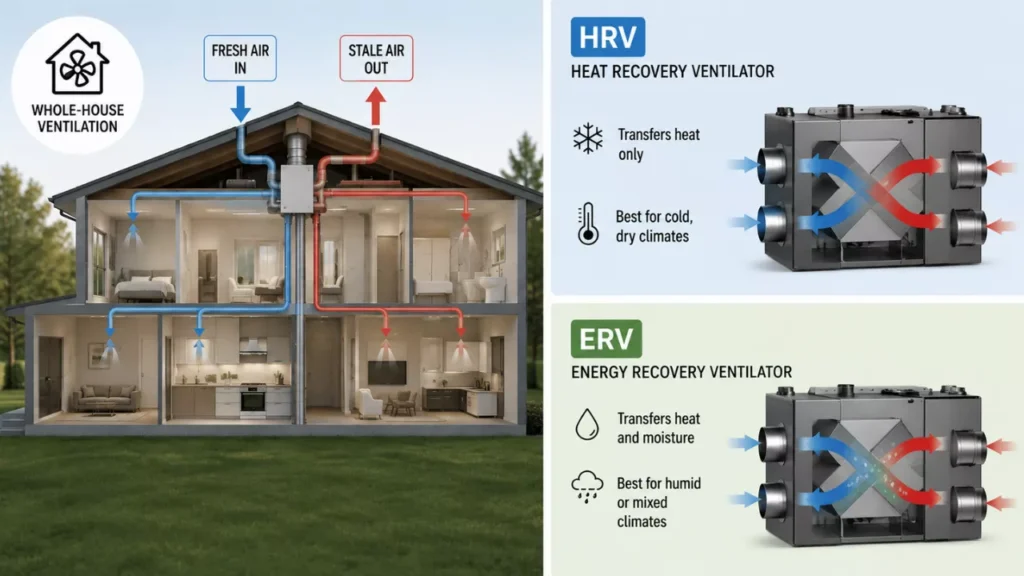
4. Consider a Whole-House Ventilation System
If the natural airflow isn’t enough, mechanical ventilation systems can improve air circulation. Heat Recovery Ventilators (HRVs) are mechanical systems used to exchange stale indoor air for fresh outdoor air. The system uses two separate fans that pull in fresh air and push out stale air by transferring heat between the two air streams. HRVs are best in colder regions with lower humidity.
ERV (Energy Recovery Ventilator) transfers both temperature and moisture. They work best in humid and mixed weather conditions, where indoor spaces require moisture control.
5. Keep Interior Doors Open
Closed doors can block airflow between rooms and cause stale air to build up. When privacy is not an issue, open doors and windows to help fresh air circulate throughout the room.
6. Use Ceiling and Portable Fans
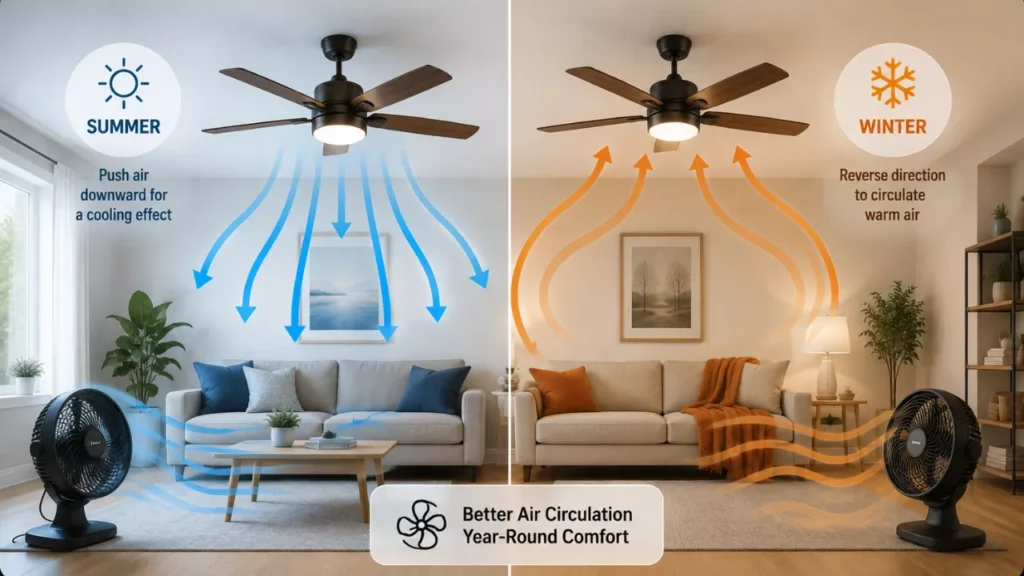
Fans help to circulate air throughout the home. Ceiling fans are a great option year-round. In summer, you can set many ceiling fans to push air downward for a cooling effect. In winter, reversing the direction can help circulate warm air around the room. Follow the manufacturer’s instructions for the correct setting.
7. Maintain Your HVAC System
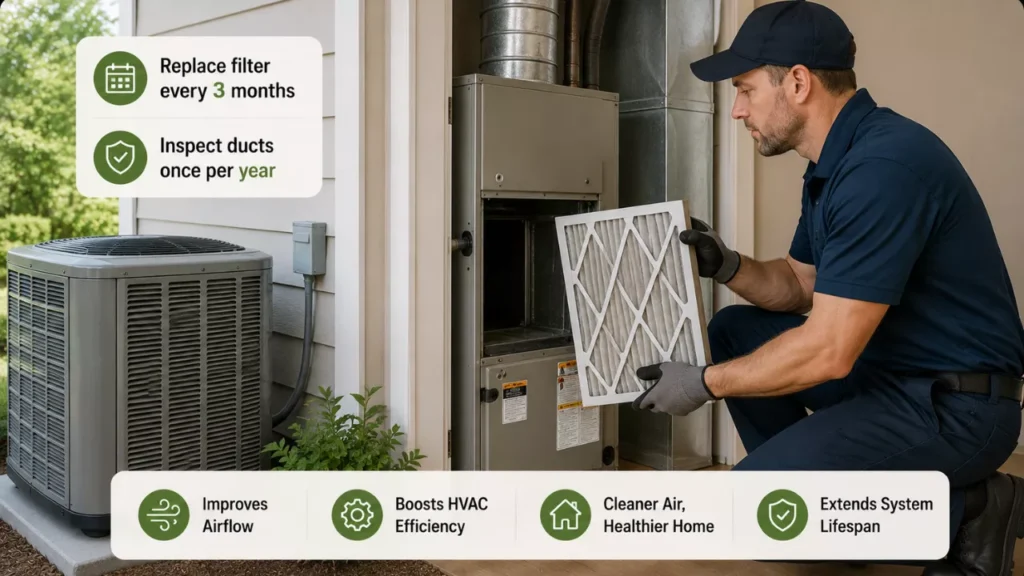
A clogged HVAC filter could reduce airflow and cause dust to build up around your home. Replace the filter every three months, and get the ducts examined once per year. This will help ensure that the HVAC system is running effectively and provides adequate airflow.
8. Add Indoor Plants (With Realistic Expectations)
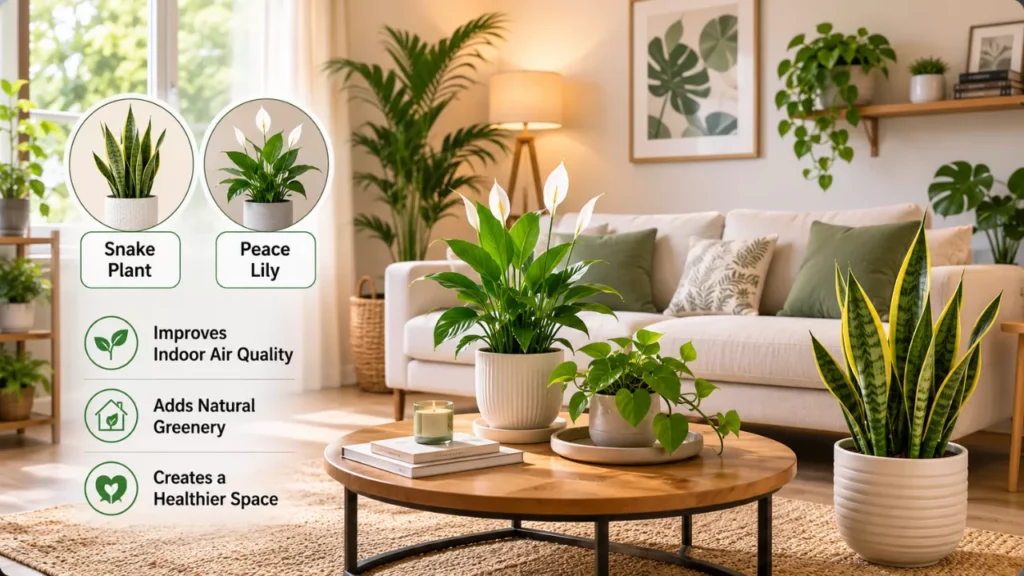
Plants cannot be used as a substitute for proper ventilation; however, some plants such as snake plants and peace lilies may improve indoor air quality to a certain extent. Indoor plants can add greenery to a home, but they should not be relied on as a meaningful substitute for ventilation or air-cleaning equipment.
Room-Specific Ventilation Tips
In bathrooms, use exhaust fans and consider leaving the door slightly open after showers to let steam escape. For kitchens, range hoods should vent outdoors rather than simply recirculating air, as this makes a real difference in odor and grease removal.
In bedrooms, cracking a window slightly overnight when weather permits, or installing trickle vents, provides consistent airflow without letting in cold drafts. Basements often trap moisture more than any other area, so pairing a dehumidifier with small vents or fans can prevent damp, musty conditions from taking hold.
Frequently Asked Questions
How often should I ventilate my home?
Make sure you have at least fifteen to thirty minutes of fresh airflow daily, either through open windows or exhaust fans, depending on your climate and season.
Does ventilation help reduce indoor humidity?
Yes. Proper ventilation removes excess moisture from cooking, showering, and daily activities, helping prevent mold and mildew buildup.
Is mechanical ventilation necessary for every home?
Not always. Older homes with more natural air leakage may need less mechanical help, while newer, airtight homes often benefit significantly from HRV or ERV systems.
Final Thoughts
Improving the ventilation of houses does not necessarily need costly upgrades. Simple actions, like opening windows, using exhaust fans, and ensuring that your HVAC system is working properly, can significantly improve indoor air quality and show you how to maximize ventilation in homes without major changes. If your home is suffering from persistent problems with airflow or humidity, a mechanical ventilation system can provide better comfort and air quality. Begin with these easy steps and keep your home clean and fresh throughout the year.
Check out more:
- Why Juliet Balconies Are a Smart Home Upgrade
- What Is Trending in Biophilic Interior Design in 2026?
- Long-Term Benefits of Sustainable Roofing

Navdeep is a PHP programmer by profession, & rider by passion with a strong interest in writing, reflection, and travel. His writing draws from daily experiences across online and real-world settings, often influenced by an interest in interior design and how spaces affect mood and function.