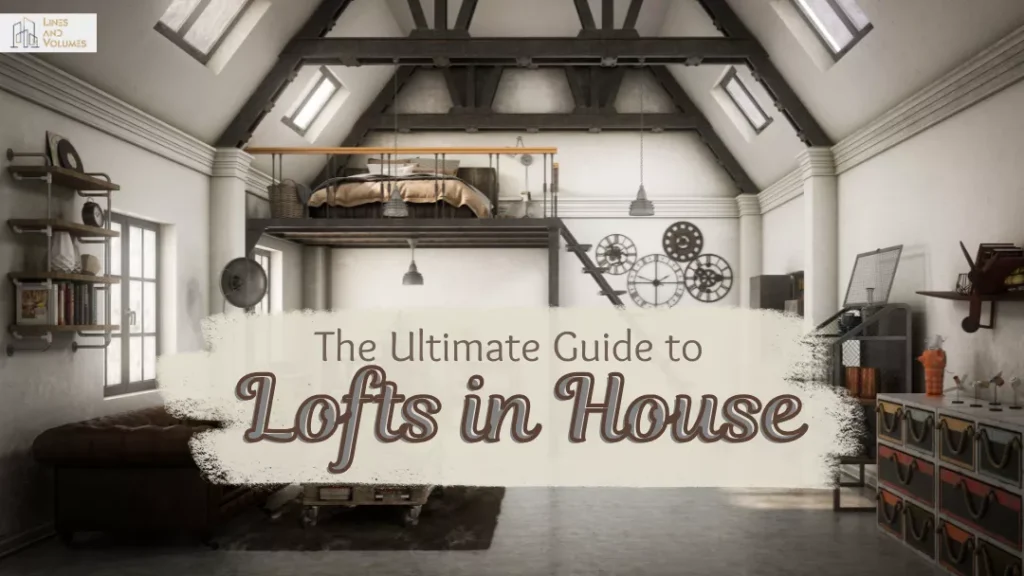
A loft space is an open dwelling on the upper level of a building; in a house, it usually sits under the roof or above the main living area and often remains partially enclosed, or completely open. It stays visually open to the space below, making it feel more connected and airy than a typical room. The term applies to both new-build homes and converted industrial buildings, where large open spaces have been transformed into residences.
A basement sits below ground level and completely enclosed; an attic sits under the roof but usually enclosed and used for storage purposes. A mezzanine is an intermediate partial floor within a room less formalized and less integrated than loft. This guide covers what actually a loft in a house is, how it works, and whether it’s the right fit for your home.
What Is a Loft Conversion and When Is It Possible?
A loft conversion is a way to turn some unused roof space into a practical living area. Instead of leaving the top of a house as dead space, homeowners reconfigure it into a bedroom, office, or studio.
This is only possible where the structure of the house permits. Key factors include sufficient roof height, a strong existing structural framework, and enough floor space. In most cases, a roof with a head height of around 2.2 meters provides enough clearance for a loft conversion.
The most common types of loft conversions suitable for different house structures are:
Velux / Rooflight Conversion
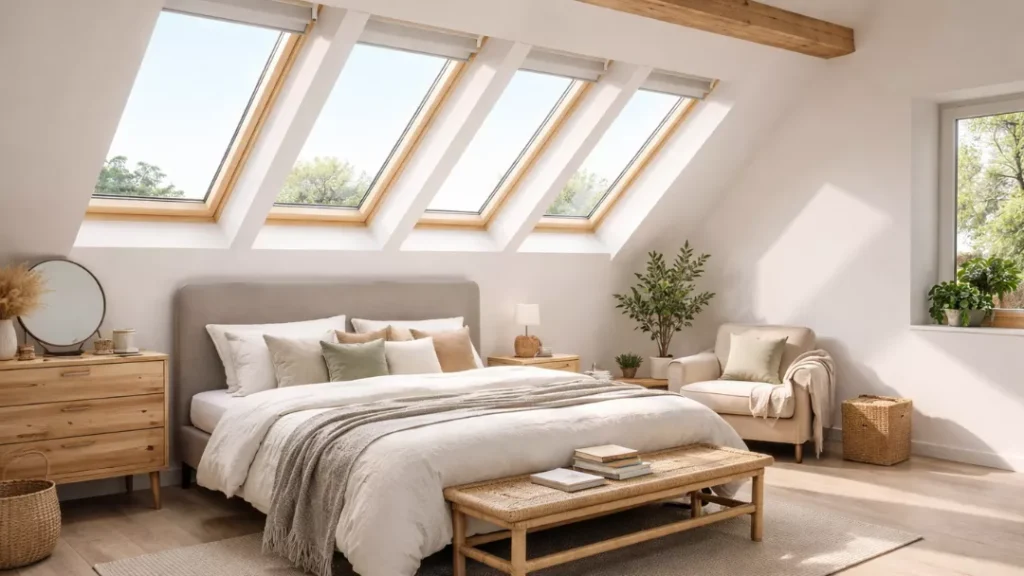
By far, the simplest and cheapest option, it consists of inserting skylights on existing roof without changing its form. Its frame stays intact, so it is perfect for houses that already have the required headspace.
Dormer Conversion
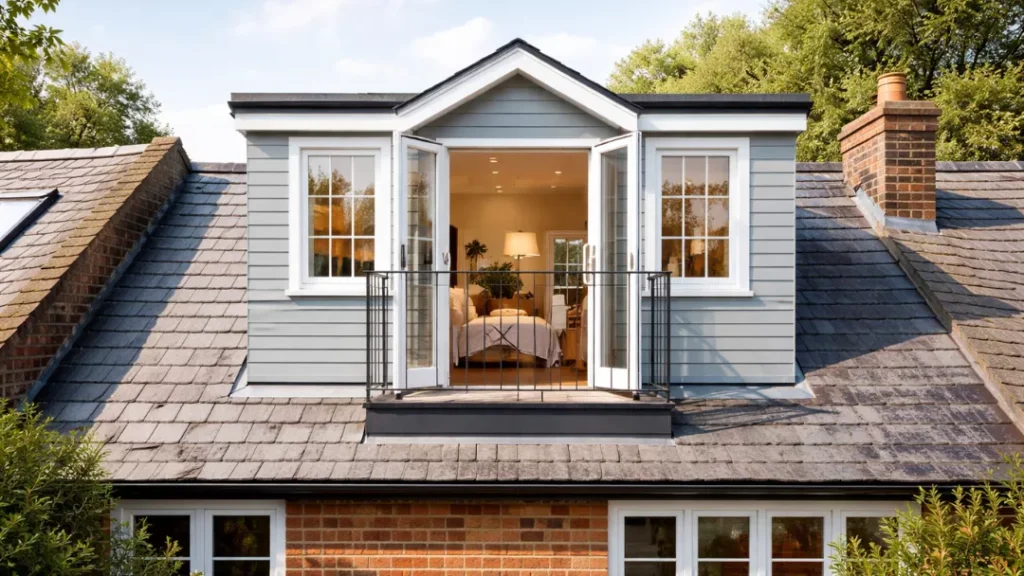
A dormer protrudes from the sloped roof, providing extra floor space and vertical walls. This option is one of the most popular since it greatly enhances usability while remaining relatively easy to build.
Hip-to-Gable Conversion
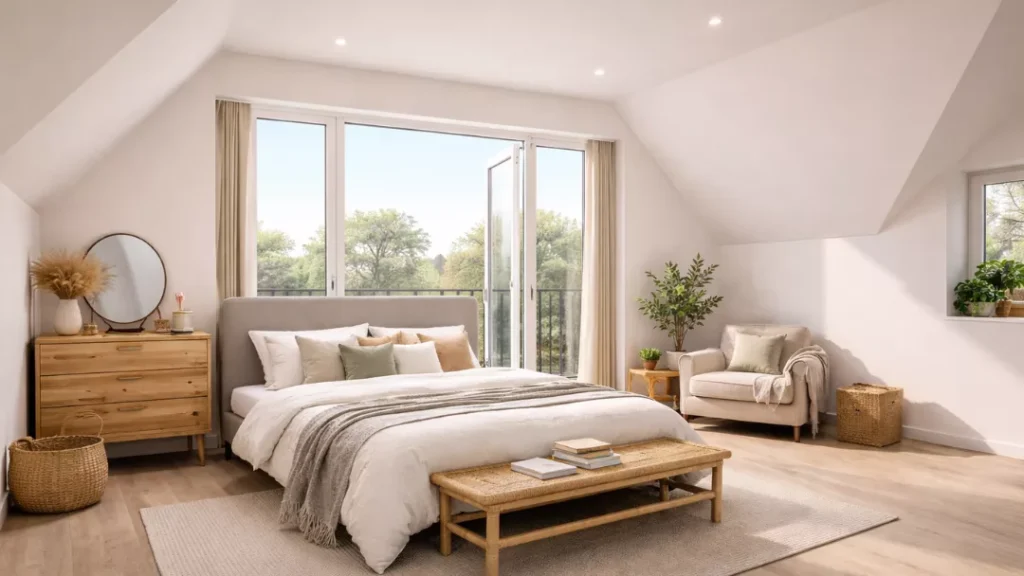
Common in semi-detached or detached houses with slanted sides, this conversion swaps the sloped “hip” roof for a vertical wall, adding interior room and making the loft more usable.
Mansard Conversion
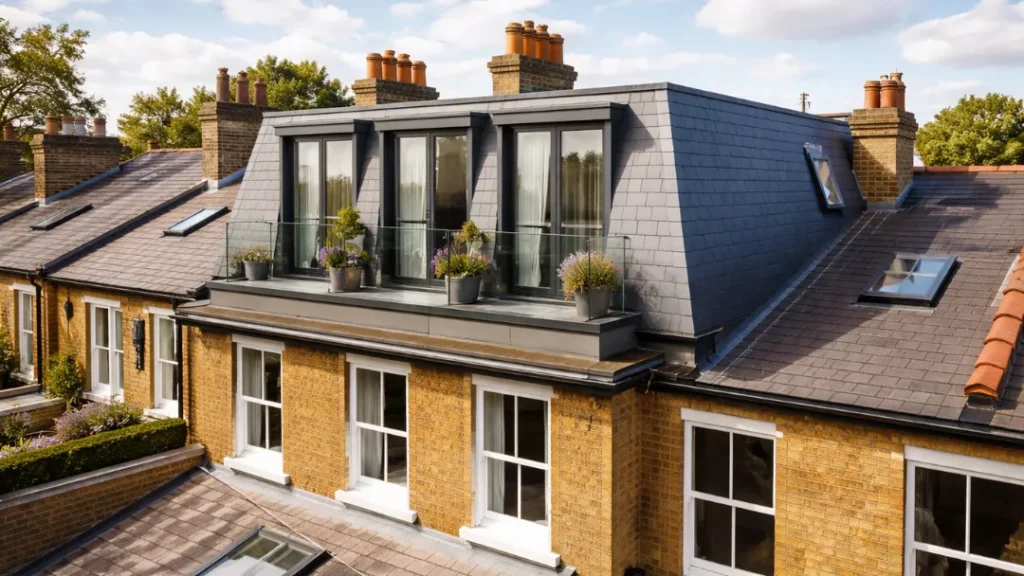
This is the widest type as far as coverage. Instead, it’s a method of modifying one side of the roof to allow for a near-vertical wall with a flat roof above. Though it offers the most space, it often necessitates significant structural changes and planning permission.
Typical Uses for a Loft in a House
The most significant asset in a loft is versatility. Because it’s not a space that really has specific measurements, like a traditional room, it can behave differently over time depending on the need.
Lofts are frequently converted into bedrooms or guest rooms, particularly for homeowners who require additional sleeping space without expanding the house. Others use it as a home office, as it feels like a quiet and separate place.
In family houses, lofts often serve as kids’ playrooms, so the toys and activity are not present in the main living areas but still remain in view. Creative types convert them to studios or workspaces, making use of natural light from roof windows. Others like a quieter setup, utilizing the loft as a reading nook or small library.
In others, it serves as a home gym or yoga space, where you can have an open and private setting. Where conversions aren’t done, lofts still provide effective storage spaces.
Benefits of Having a Loft in House
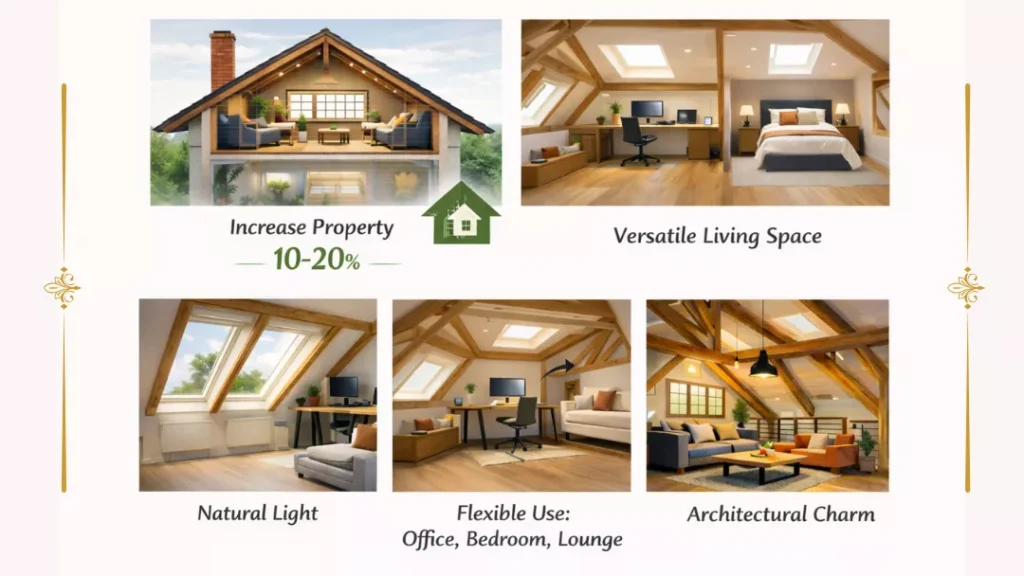
A loft creates notable benefits of providing additional living areas in your home without increasing the footprint of the building. It does not expand outward as it occupies space already there.
Enhance Property Value
Conversion from lofts will certainly add value, with percentage uplifts typically ranging from 10 to 20%, depending on the location and specification of the loft conversion.
Transform as Per Your Liking
Another benefit is versatility. A loft doesn’t tie you to one use. What is initially a home office may eventually transform into a spare bedroom or a leisure room as circumstances change.
Natural Light
Skylights and high windows bring in more daylight, often making the space feel brighter than other areas of the house.
Adds Architectural Character
The open layout, ceiling height and unique floor plan provide a visual interest that typical rooms are often lacking.
FAQs:
An attic is generally closed off and used mostly for storage, while a loft is typically open and usable living space.
Yes, as long as it complies with building regulations for example below minimum height, floorboards surrounding the staircase, insulated and properly ventilated.
A workable minimum height would be approximately 2.2 meters, though the final dimensions depend on a combination of local building practices.
A sleeping loft designates a smaller loft area to house a bed or sleeping space, commonly seen in tiny homes or studio-style designs.
No, they are not the same; a mezzanine floor sits between two floors, and a loft sits under the roof as a planned space.
Conclusion
A loft is an open space in the upper portion of a house, it adds a degree of flexibility, increases spatial efficiency. It makes use of vertical space to create an additional functional area while maintaining a visual connection to the room below.
Also Read:

Navdeep is a PHP programmer by profession, & rider by passion with a strong interest in writing, reflection, and travel. His writing draws from daily experiences across online and real-world settings, often influenced by an interest in interior design and how spaces affect mood and function.