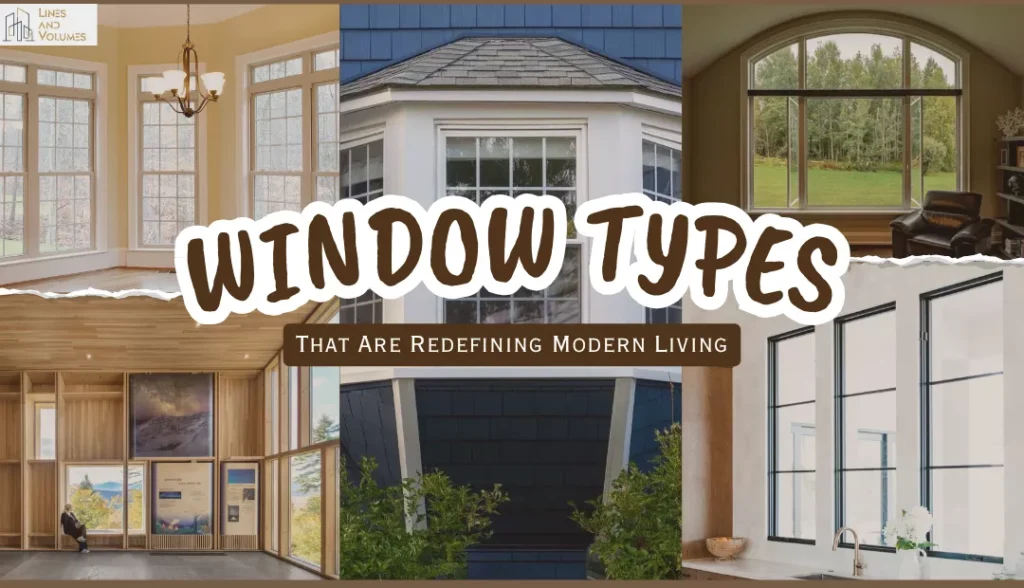
Windows adopt four common professional classification dimensions: opening mode, frame structure, glazing system, and intended building use. These differences help define the various types of windows, determining their operation, construction, and installation location. This guide covers residential windows, general architectural windows, and specialty windows, as well as glass and frame materials, and organizes a complete window classification system for modern architecture.
Most Common Types of Windows
1. Double-hung windows
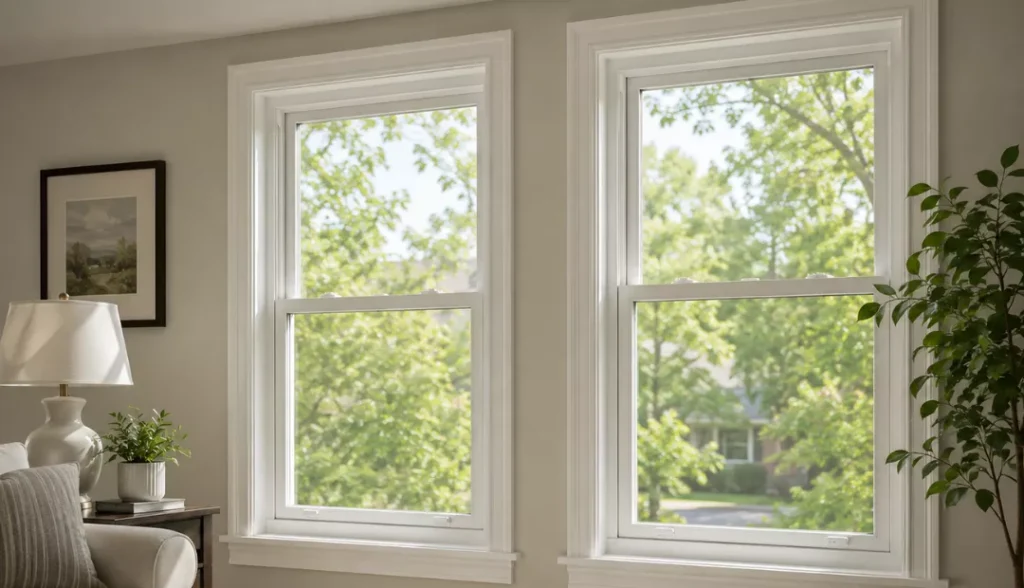
It allows the upper and lower sashes to slide vertically and maintain a balanced ventilation in the space. Also compatible with both traditional and modern residences, and rank among the most widely adopted residential window types in North America.
2. Single-hung windows
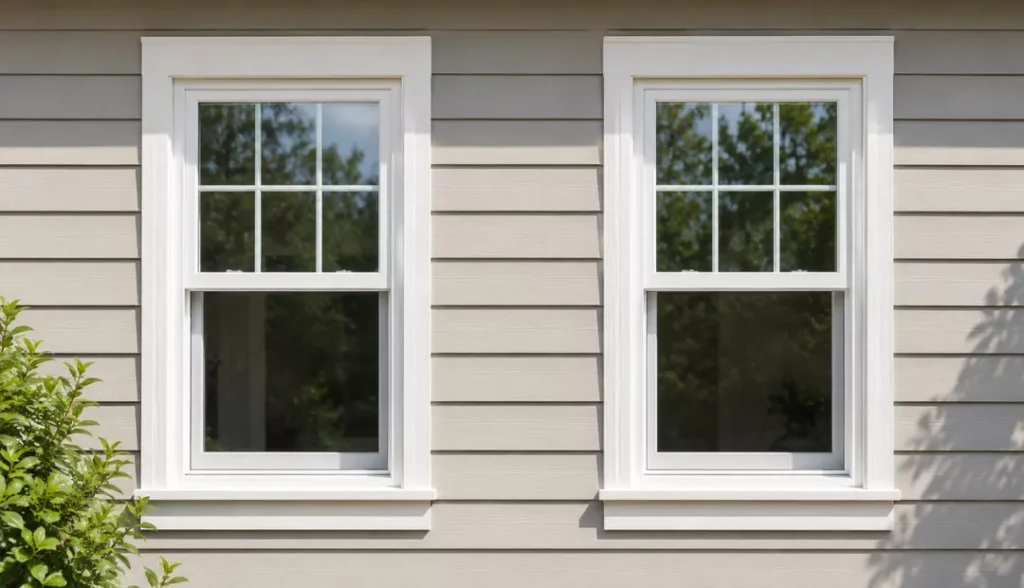
These have a similar appearance to double-hung windows, but only their lower sash is movable while the upper sash is fixed. It features a simple structure and a lower cost, and is mostly used in the construction of conventional residential buildings.
3. Casement windows
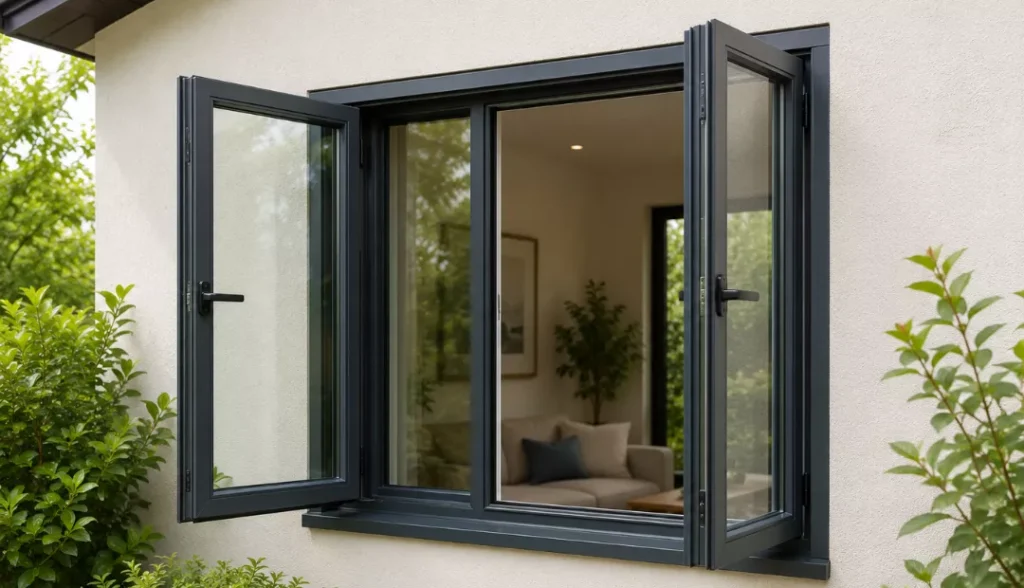
Hinges on one side connect casement windows, and a crank mechanism opens them outward. This window fully opens to achieve maximum ventilation, delivers strong sealing performance when closed, and architects mostly use it in energy-conscious building designs.
4. Sliding windows
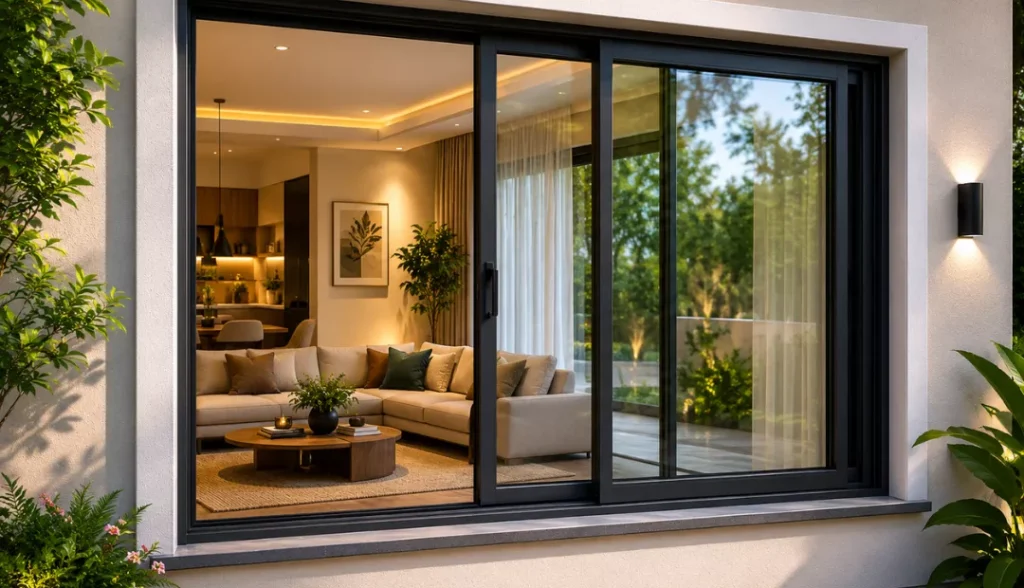
These are single- or multi-panel structures that move along horizontal tracks. They slide smoothly, fit modern residences with wide openings, and meet the core demand for efficient space utilization.
5. Awning windows
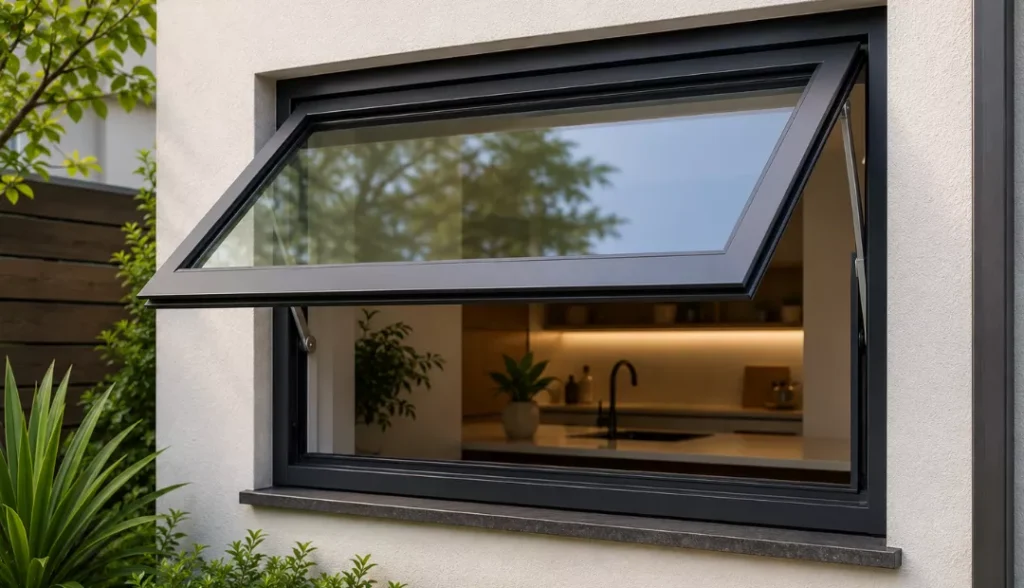
These are hinged at the top and open outward from the bottom, enabling ventilation even during light rain. They are suitable for installation high on walls, and satisfy the needs for privacy and airflow control.
6. Hopper windows
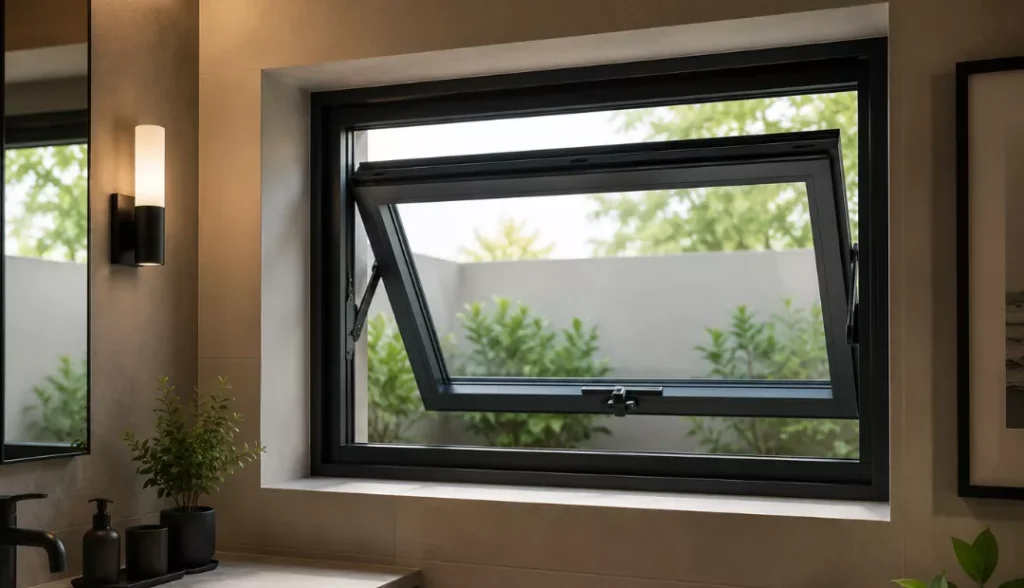
These hinge at the bottom and tilt inward when opened, serving small spaces such as basements. They suit situations that require controllable ventilation and a compact design.
7. Fixed/picture windows
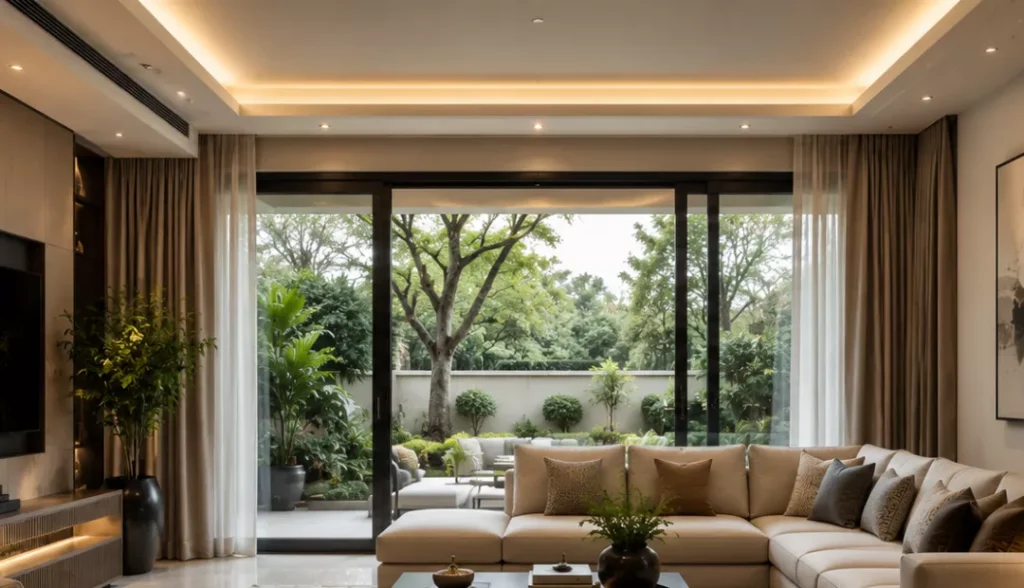
Designers create these windows to let in natural light and frame outdoor scenery, making them suitable for living areas and feature walls, and they work ideally for spaces that do not require ventilation.
8. Bay and bow windows
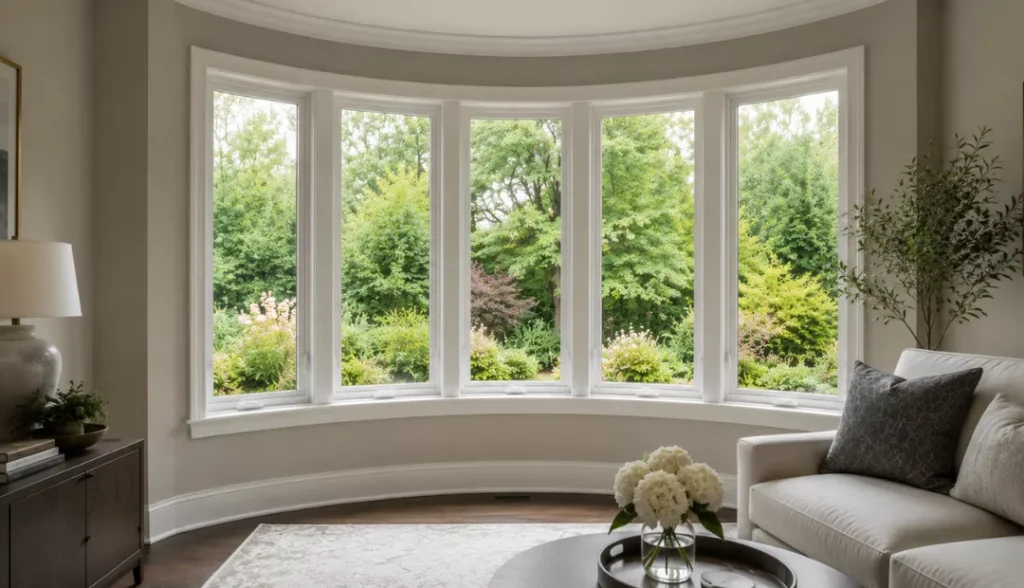
A combination of three panels used in bay windows to extend outward from the building facade. On other hand bow windows follow a similar concept but for four or more panels in curved manner, creating a wider panoramic effect.
9. Skylights and roof windows
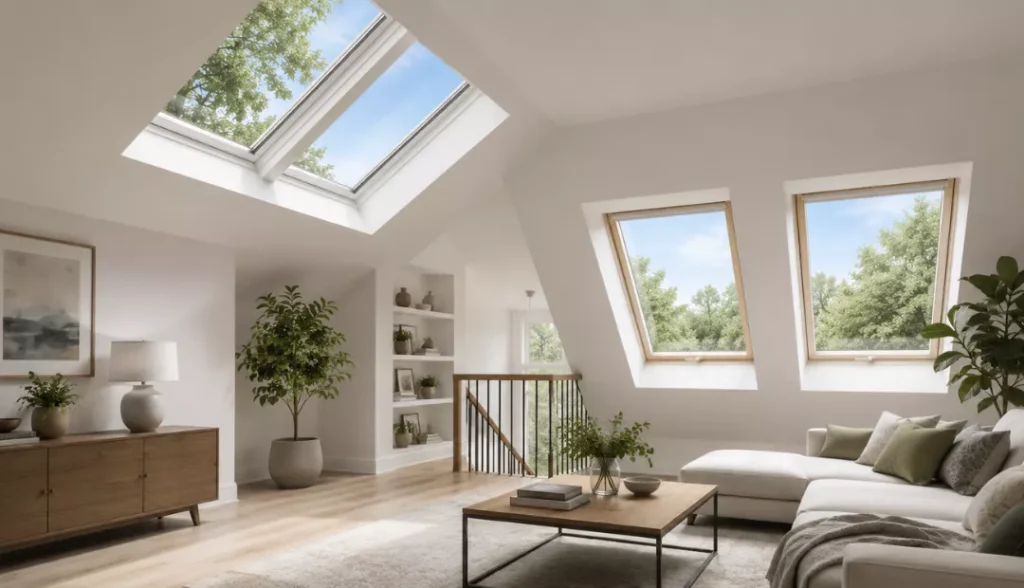
Architects use these windows to bring in overhead natural light through ceilings or roofs, and people commonly know them as skylights. They come in with fixed or operable design, depending on the needs of the user.
10. Jalousie (louvre) windows
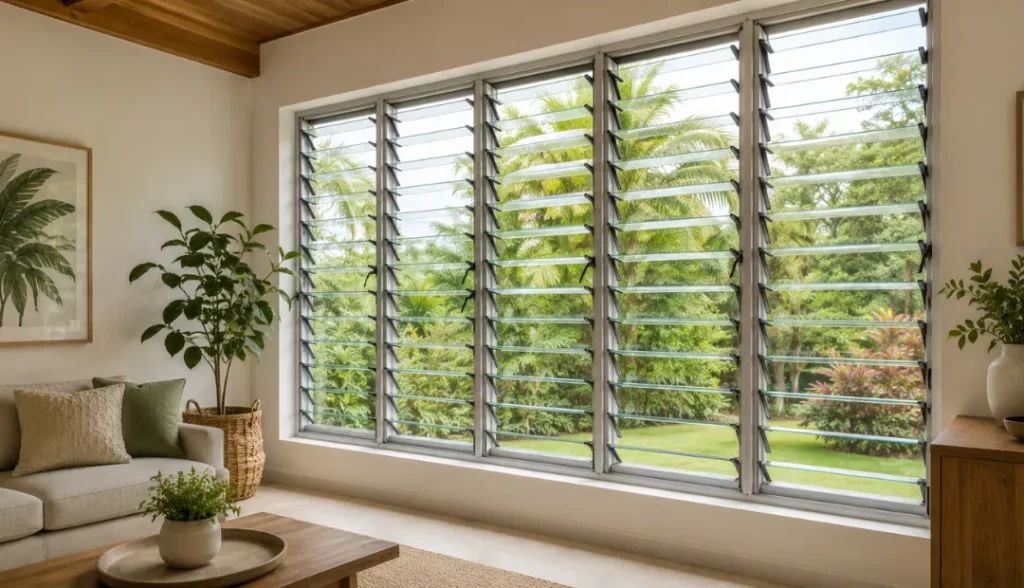
These are built for tropical climates where continuous airflow is a must. It consists of horizontal glass slats that open and close together like a louvre system.
11. Garden windows
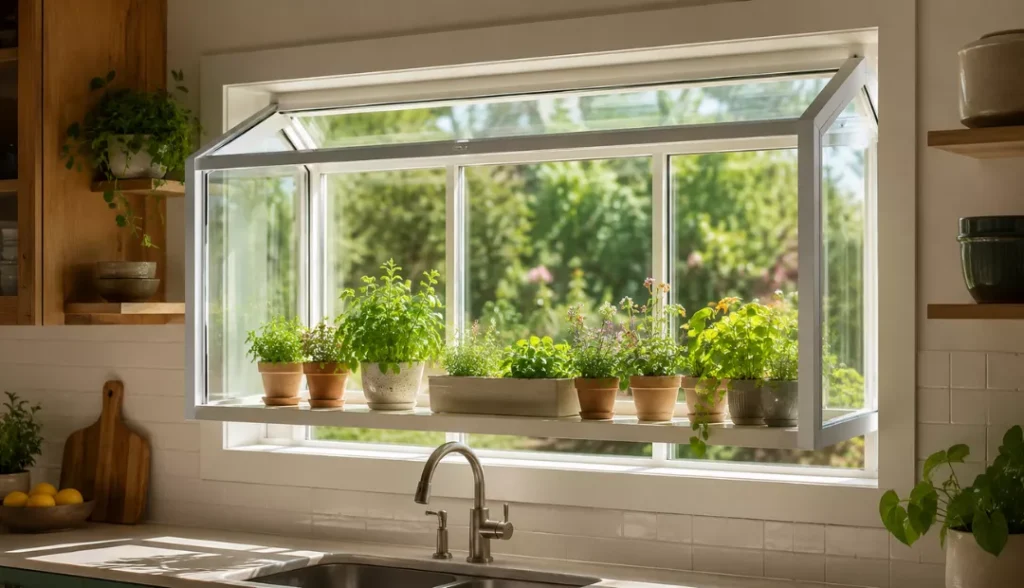
This project outwards from the wall in a box-like structure, often installed in kitchens. They are designed to allow extra sunlight and space for indoor plants or small herb gardens.
12. Transom windows
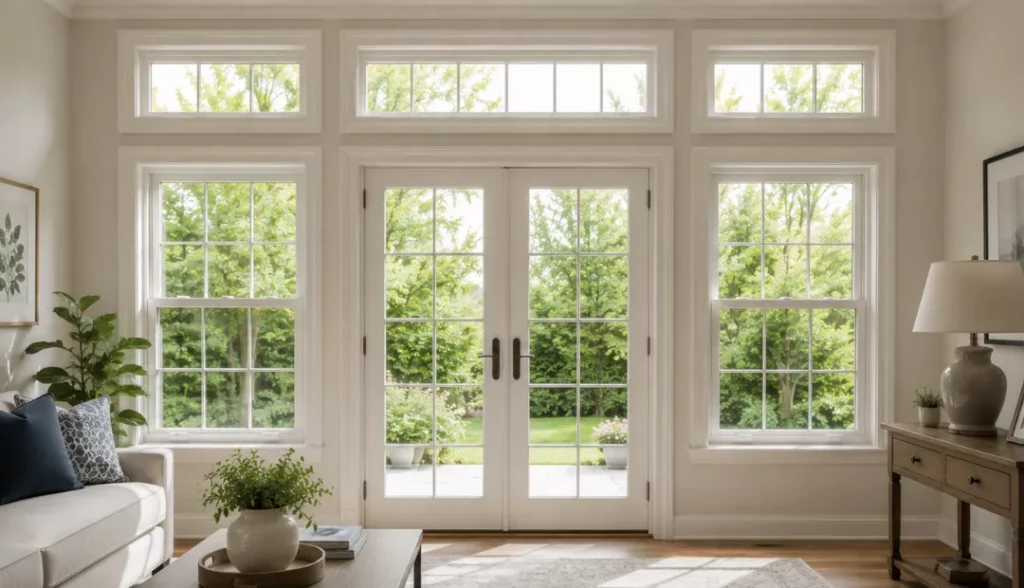
They are shaped like narrow horizontal placed above doors or larger windows, mainly used to increase natural light. They also bring visual openness without affecting privacy.
13. Egress windows
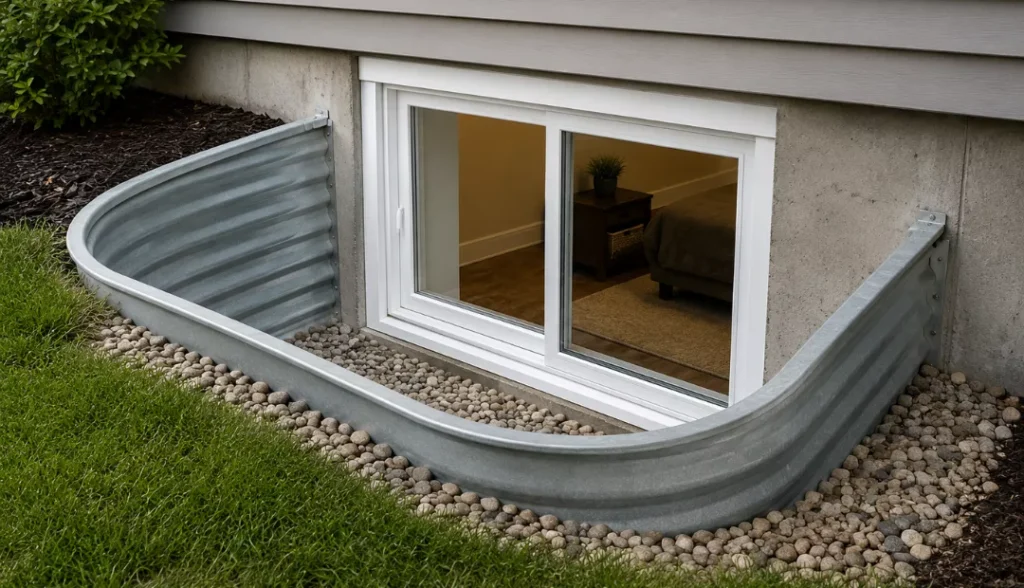
These are serve as safety-required windows that provide emergency escape routes in bedrooms and basements. Building codes regulate their size and placement to ensure safe exit routes in case of fire or other emergencies.
Glazing types
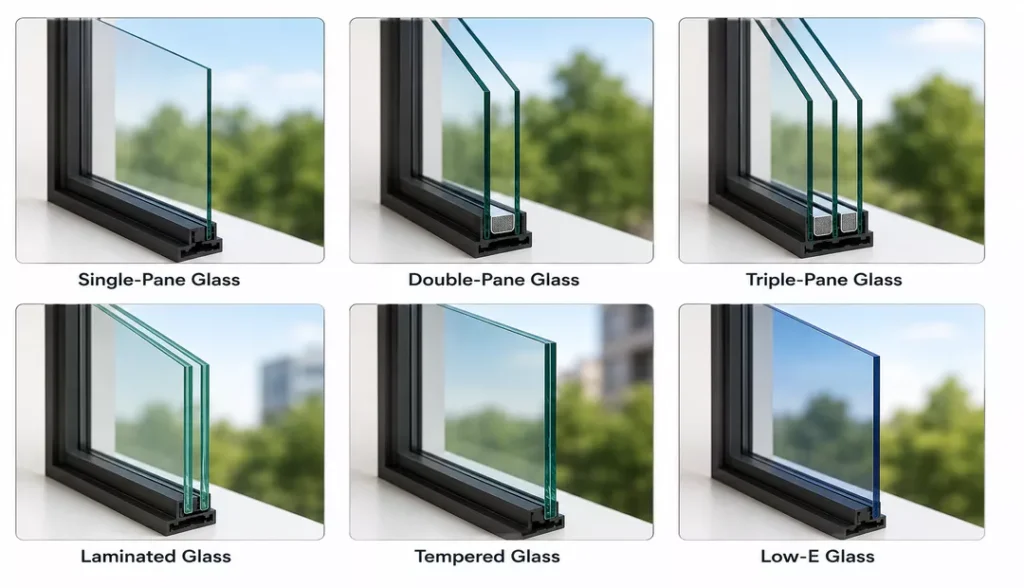
Window glazing refers to the glass system used within the frame. Poor insulation has made single-pane glass, once common on the market, largely outdated. Double-pane glazing is the modern standard, offering improved thermal performance, while triple-pane glazing provides even higher insulation for colder climates. Laminated glass improves safety and reduces noise, tempered glass undergoes heat treatment for greater strength and break resistance, and low-emissivity (Low-E) coatings improve energy efficiency.
Frame materials
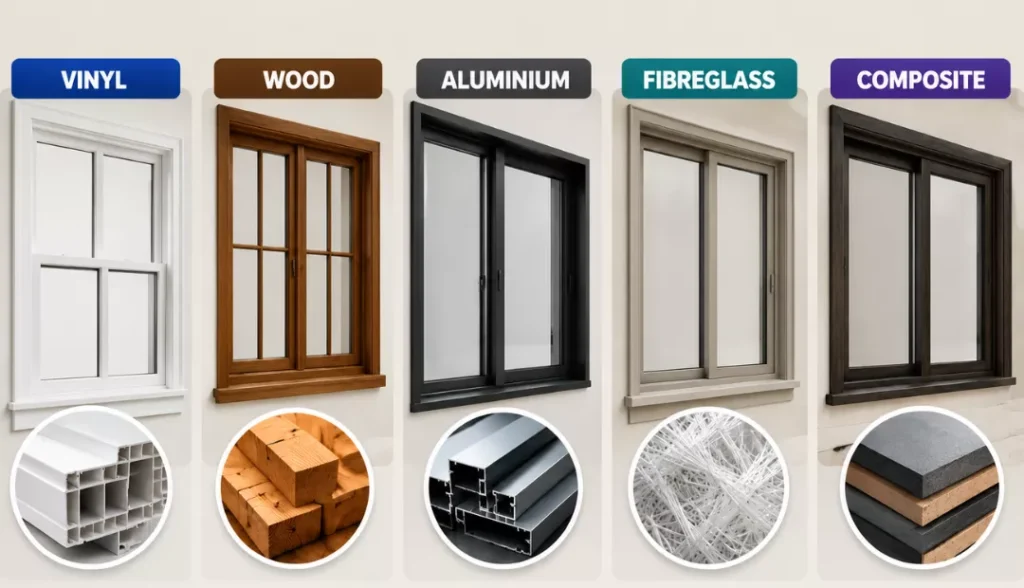
For window frames, the five commonly used raw materials to make are vinyl, wood, aluminium, fibreglass, or composite materials. Polyvinyl chloride (vinyl) is low-cost and suitable for ordinary residential buildings, while wood offers an attractive appearance that works well for villas. Aluminum provides high strength and is ideal for high-rise buildings, fiberglass offers strong stability, and composite materials help balance the needs of various customized building designs.
Conclusion
Windows are classified based on operation style, structural design, glazing, and frame material. Each types of windows serves a specific role, and the best choice depends on how a space balances light, airflow, insulation, safety, and design intent.
Explore More Reads:

Mansi is a creative designer with three years of professional experience, specializing in clean, balanced, and purpose-driven visuals. She is also a passionate writer whose work shows a strong sense of layout, composition, and visual hierarchy. Outside work, she enjoys sketching, experimenting with color, and spending time around plants and outdoor spaces. Connect with her on LinkedIn.