
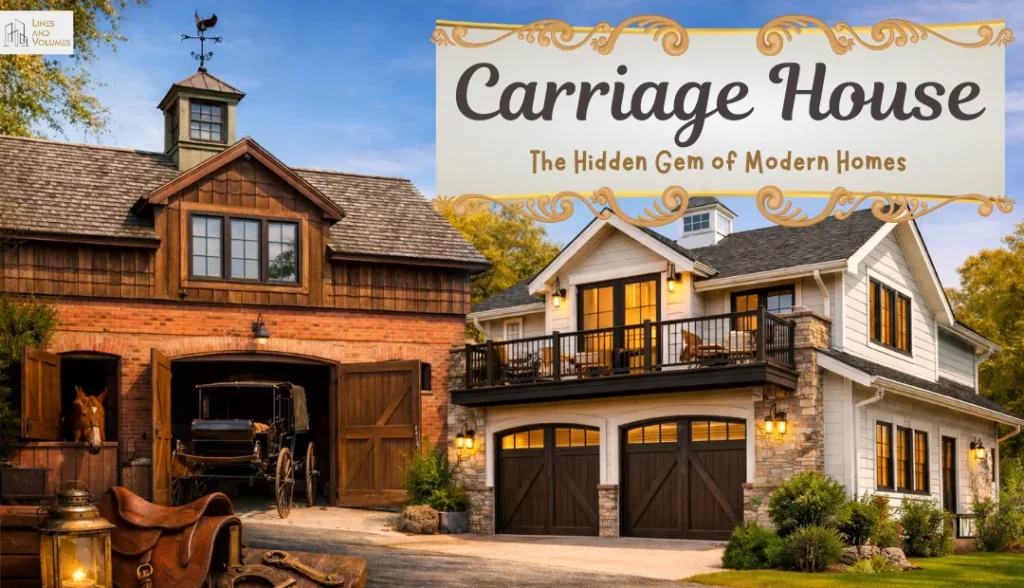
A carriage house (also known as a coach house) is a stand-alone outbuilding, generally used to store horse-drawn carriages, horses, and their equipment, sometimes with living quarters above. What is a carriage house today? Nowadays, a carriage house refers to a variety of secondary structures used as guest houses, garage apartments, or accessory dwelling units (ADUs).
Historic iterations date back to the 18th and 19th centuries but modern carriage houses are typically either restored originals or new constructions that mimic the same configuration, with storage below and living space above.
What Is a Carriage House Used for?
Today, a carriage house is most commonly converted to become a garage, studio, guest house or accessory dwelling unit while maintaining its detached appearance and still fulfilling residential function.
Typical Architectural Features
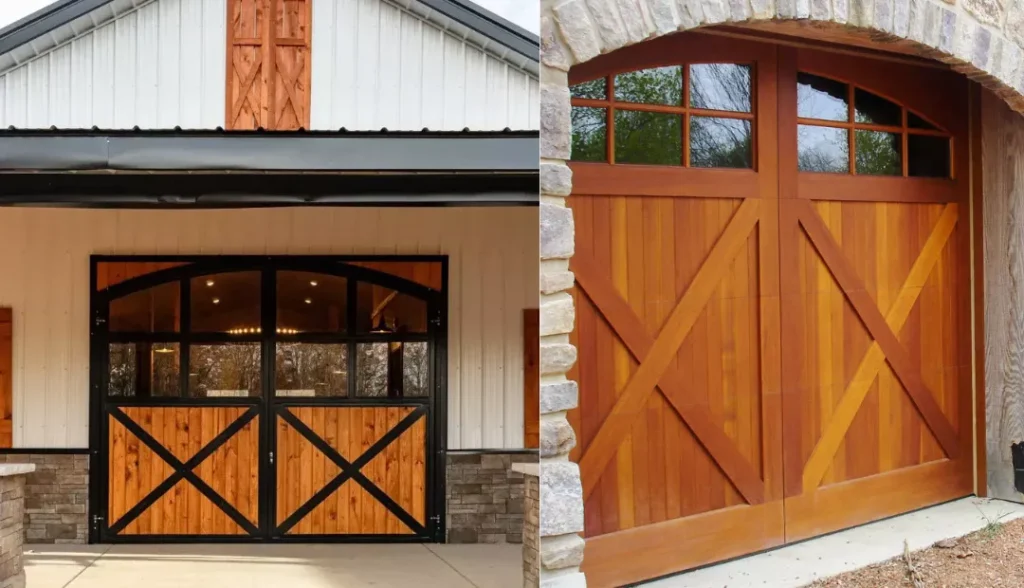
Large Ground-Floor Doors
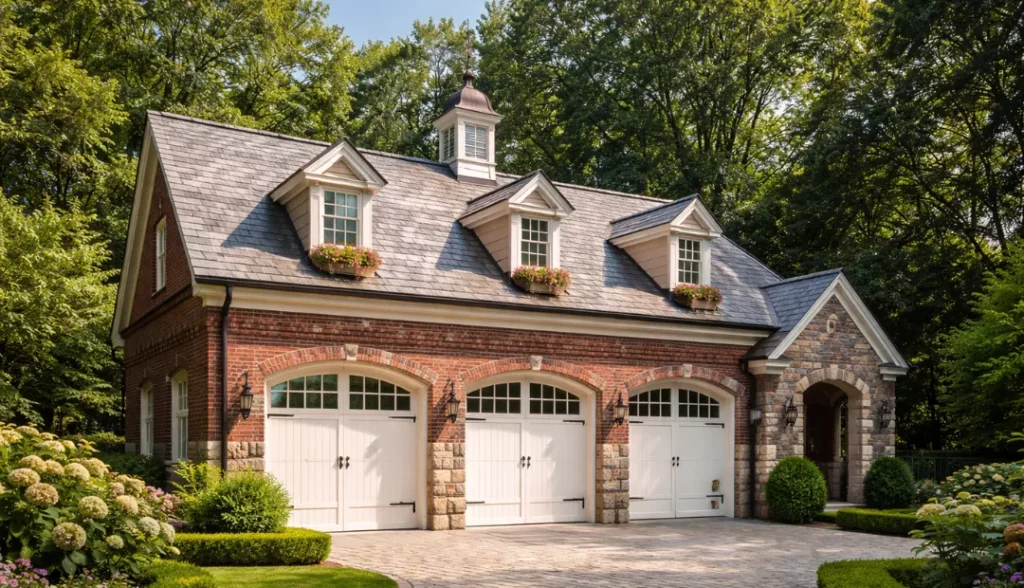
The most distinctive characteristics of a carriage house are its sizable ground-floor doors. Originally designed for horse-drawn carriages to enter and exit easily, they are often converted into garage doors while maintaining their historic appearance in modern-day iterations.
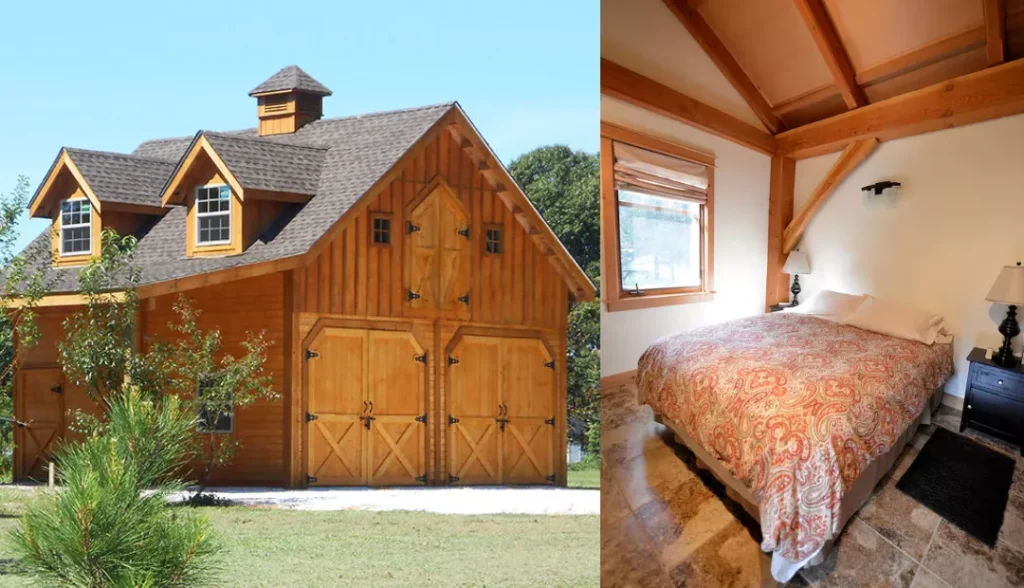
Upper Level – Loft or Hayloft
On the top level, the area stored hay, tack, and other supplies, and in many instances it also served as housing for employees such as coachmen. This upper level, commonly now turned into a living space or apartment.
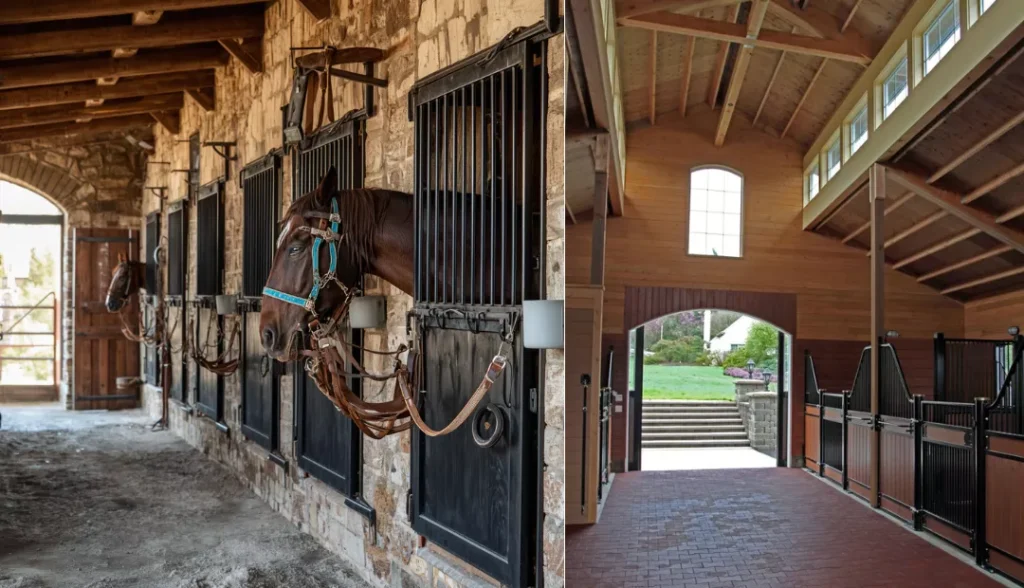
Stall Area for Horses
A carriage house ground floor provides separate stalls for horses. The functional and pragmatic layout of these spaces meant animals were typically kept in close proximity to where the horses were housed.
Brick, Stone, or Wood Construction
They were typically constructed of durable materials such as brick, stone or wood. For one thing, the outbuilding often mirrored or coordinated with the main house, creating a unified property aesthetic.
Cupola or Weathervane
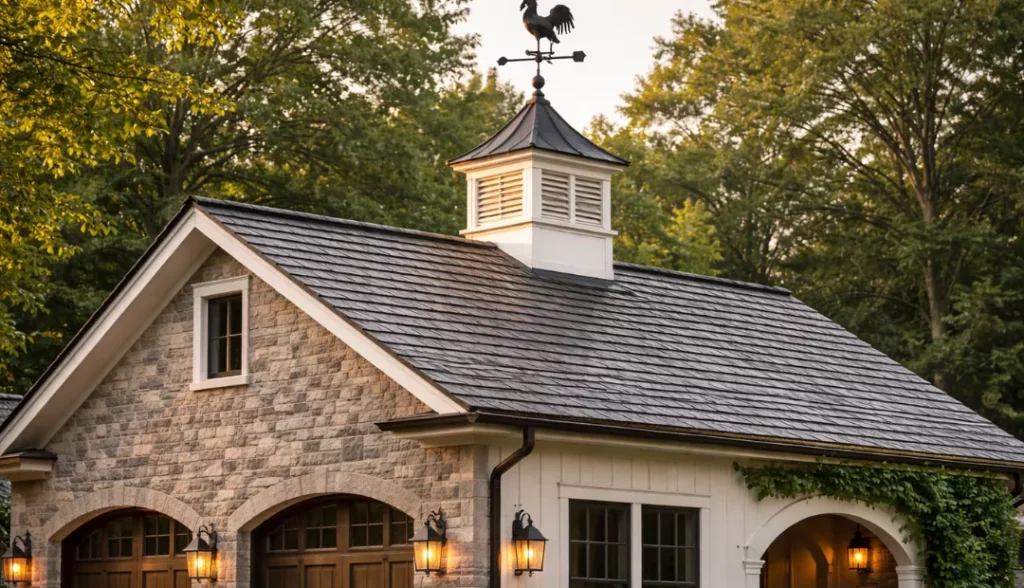
Most houses have decorative elements, such as a cupola or a weathervane on the ridge of the roof. These added a character to the structure as well as assisted with ventilation beyond aesthetics.
History of the Carriage House
Carriage houses originated in 17th and 18th century Europe, becoming a staple grace to colonial America. They were particularly common in large estates and urban townhouses belonging to rich families. Back when horse-drawn transport was a necessity, these buildings served an important function in daily life.
This house is capable of serving multiple functions within one building. A garage for carriages, stable for horses and living quarters for staffers tasked with transportation and maintenance.
Carriage House Styles & Architecture
Carriage Houses Victorian / Queen Anne
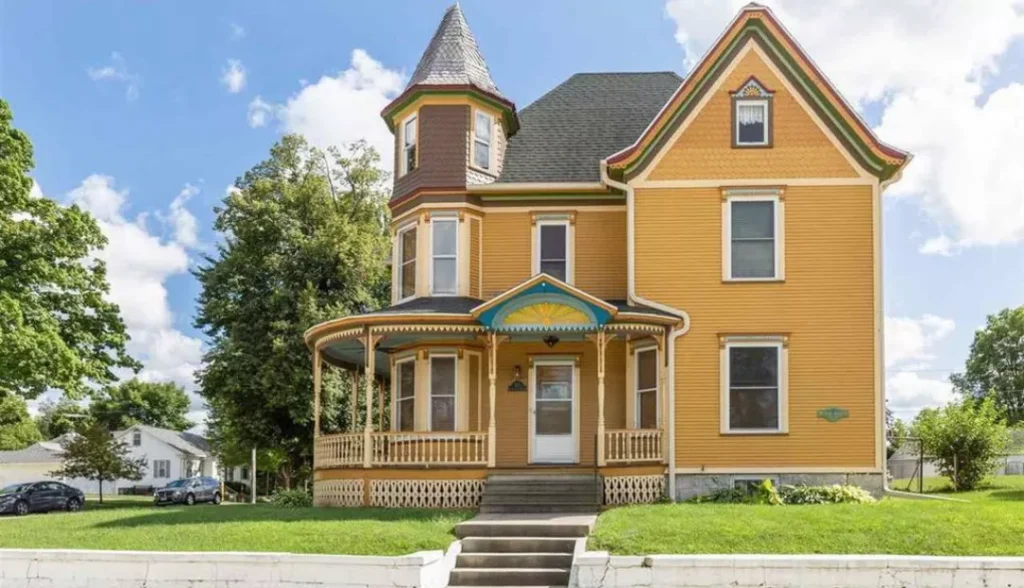
Victorian and Queen Anne carriage houses featured ornate detailing and decorative details. These often showcase elaborate woodwork, as well as asymmetrical designs and ornamental trim befitting of the grand interior of the primary residence.
Colonial Revival Style
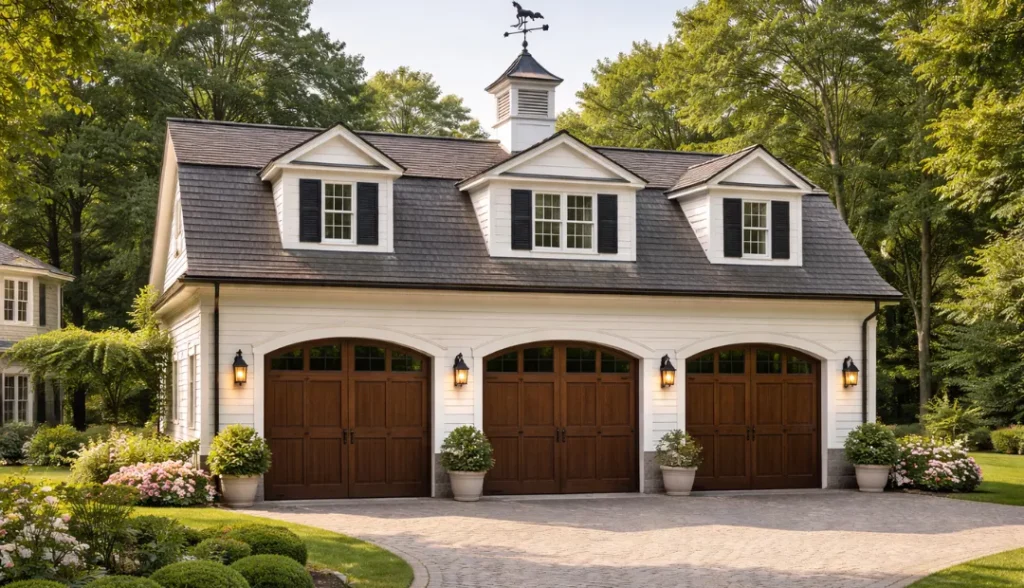
This colonial architecture typically feature well-proportioned, symmetrical facades, traditional materials like brick or wood siding and understated detailing that reflects early American architectural influences.
Artisan / Arts & Crafts Style
Carriage houses built in the Craftsman or arts and crafts style emphasize natural materials and handmade details. Exposed beams, wide eaves and earthy finishes provide a warm, grounded aesthetic that complements the surrounding environment.
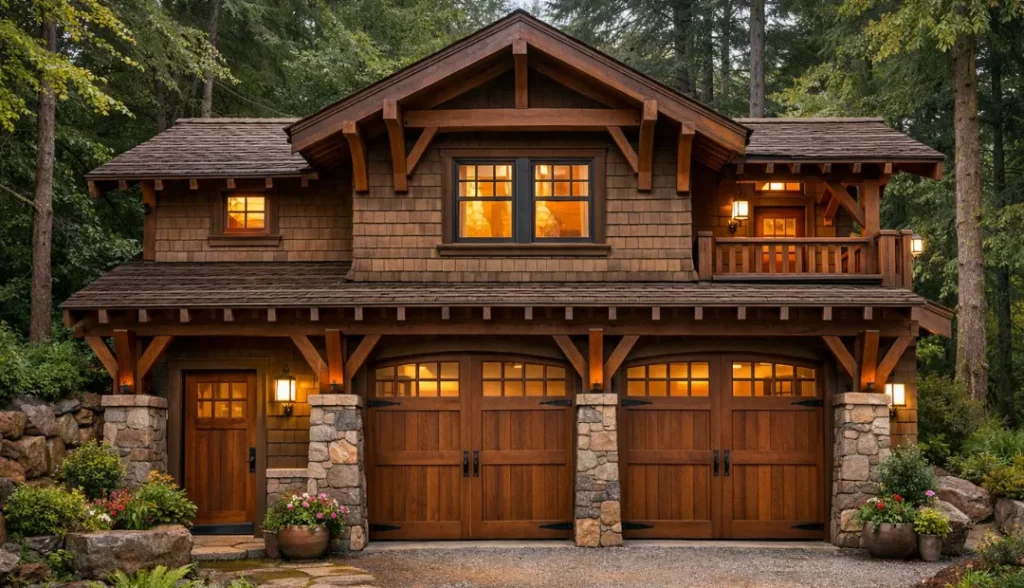
New-Build Carriage House Style Homes
Modern carriage house-style homes aim to mimic the traditional layout but offer modern amenities. They come with a fully equipped living room located above the garage, providing form and convenience while keeping a traditional exterior.
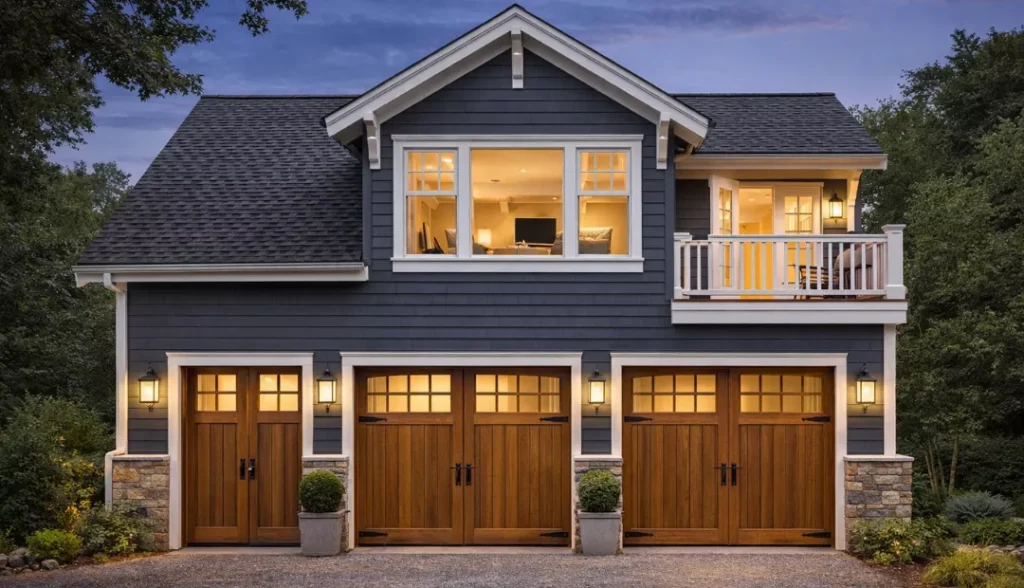
FAQs
A barn is a building on a farm and/or a tool for storing crops, tools or livestock. A carriage house, by contrast, intended for storing horse-drawn carriages and horses.
Architects design a coach house garage as a modern garage styled to resemble an old-fashioned coach house.
Yes, it is possible to convert a coach house into a primary residence as long as it complies with local building codes and zoning regulations.
Most builders constructed most of the surviving coach houses between 1850 and 1920, during the height of horse-drawn transportation before cars became common.
Conclusion
A carriage house is an old-school but super versatile structure that originated as a practical space for horse-drawn carriages and their horses and staff. This mix of heritage and purpose makes it an effective addition to any property, both in terms of function and real estate value.

Navdeep is a PHP programmer by profession, & rider by passion with a strong interest in writing, reflection, and travel. His writing draws from daily experiences across online and real-world settings, often influenced by an interest in interior design and how spaces affect mood and function.