
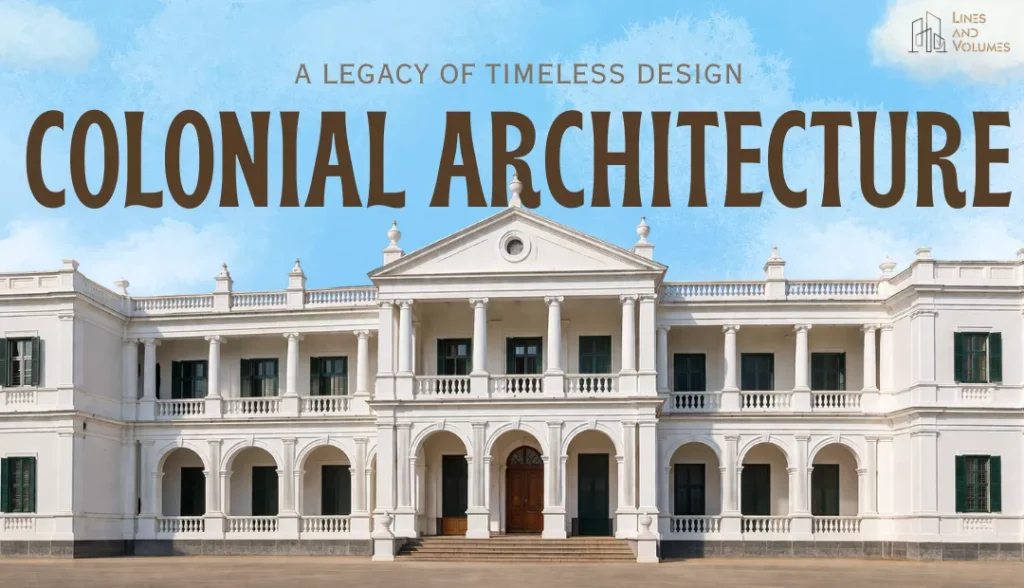
Imagine a sunny courtyard with whitewashed walls and red clay tiles, arched corridors that stretch across the space casting long shadows, and in the middle of it all, a fountain that reflects the charm of colonial architecture. Or picture a grand house with white pillars and deep-set windows and an equal front looking over a treelined street. These images of colonial buildings are long-standing; a style forged over the centuries with international feet.
It is building styles that developed or were adapted by colonial powers in overseas colonies, combining external design traditions imported from European countries with local materials and climate characteristics. In this article, we cover the history of colonial style architecture, its defining characteristics, most important regional styles and some of the most landmark examples around the world.
What is Colonial Architecture?
It is a general term for several architectural styles used in the overseas territories of European colonial powers (mainly Britain, Spain, France, Portugal and the Netherlands) built between the 15th to 19th centuries. These styles combine European traditions with indigenous materials, climates, and sources.
It made its way all over the Americas, Africa, South and Southeast Asia and parts of the Pacific.
History of Colonial Architecture
Pre-colonial Context
Before colonization, European architecture was heavily influenced by Renaissance and Baroque styles. Colonizers took these design ideas with them overseas, and formed the foundation of colonial structure .
Early Colonial Period (15th–17th Century)
The early phase of this architecture started with Portuguese and Spanish expansion in the Americas, Africa, and Asia. The starting phase of buildings were simple and functional and constructed with local materials. Roughly at the same time, Dutch and British colonial structure also formed in North America, South Africa, and the Indian subcontinent!
Expansion and Refinement (18th–19th Century)
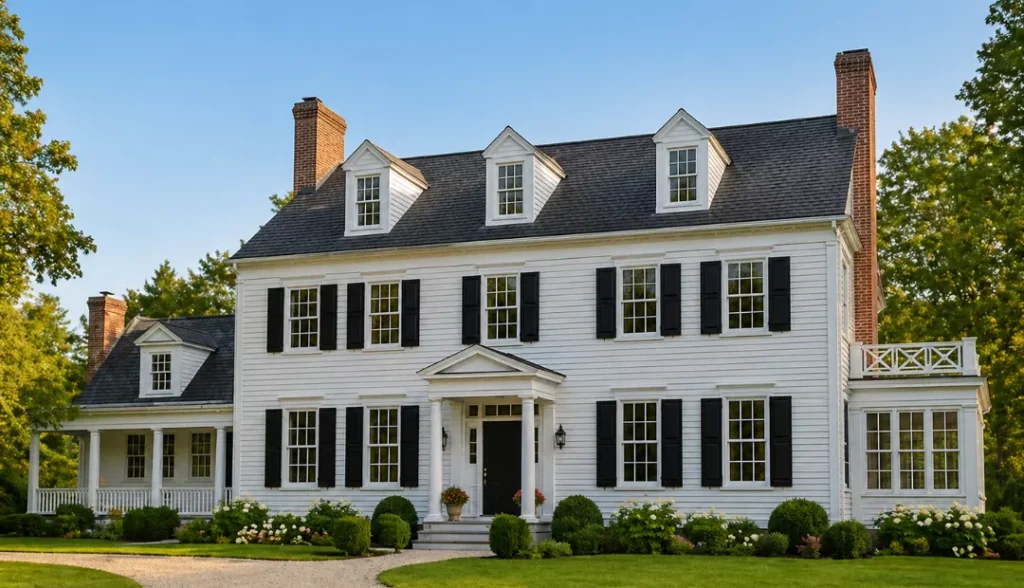
Architecture became more elaborate and serious as colonies settled down. Georgian, and later the Federal styles which developed in Britain’s American colonies, alongside influences that shaped modern architecture, placed a strong emphasis on symmetry.
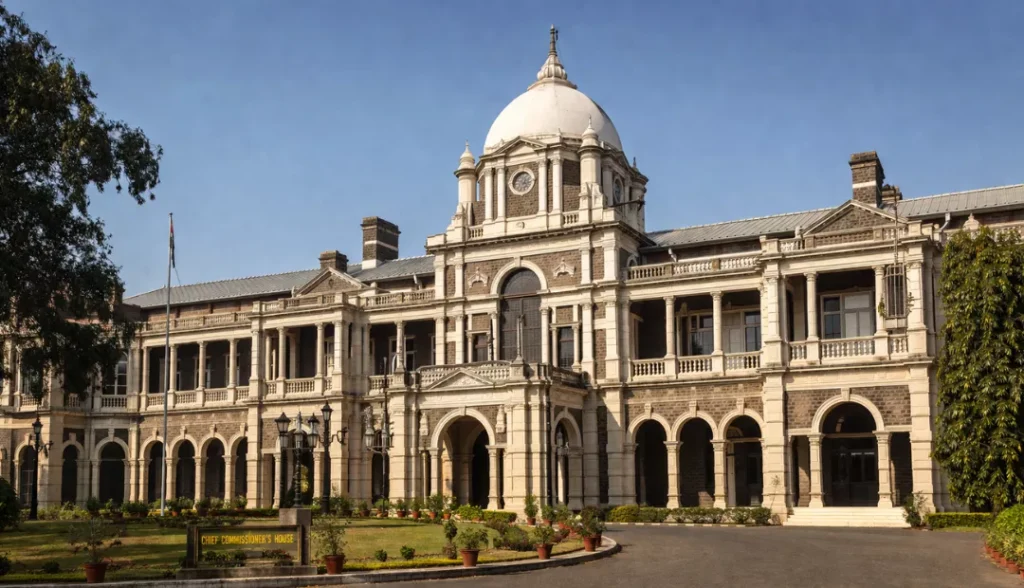
Neoclassical design permeated the world, affecting the designs of government buildings, courthouses, and infrastructure projects. Hybrid styles (Indo-Saracenic ) also were formed in regions like India and South Africa combining European style and local elements.
Colonial Revival and Legacy (late 19th–20th century)
With the decline of colonial rule in the 20th century, colonial construction also slowed down at a large-scale, however architectural legacy remained. Heritage structures were established for the conservation of several colonial buildings; revival styles redefined colonial forms to contemporary demands.
Key Characteristics
Symmetrical Facades
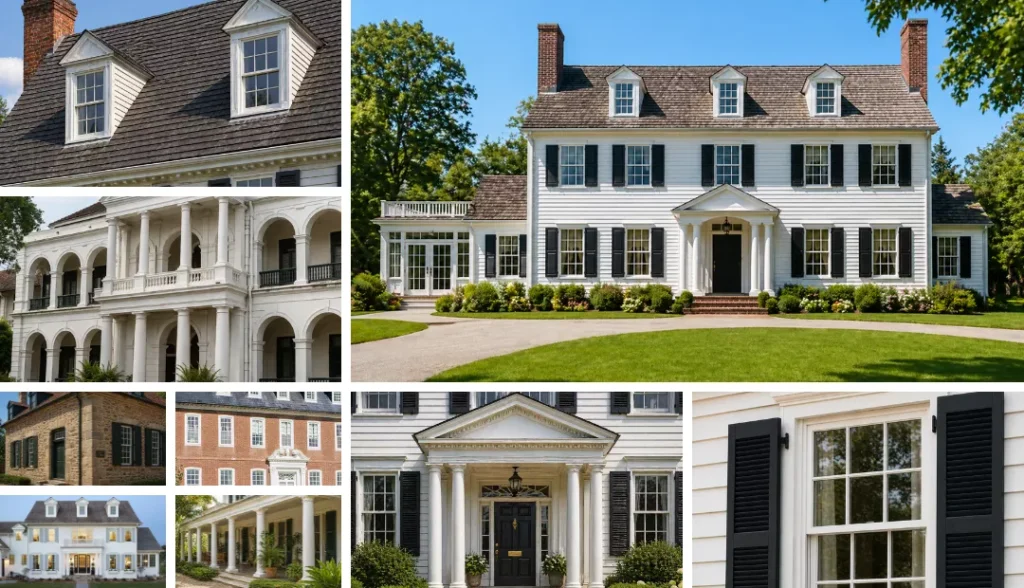
Colonial buildings generally have symmetry and stability → symmetrical facades, with regularly spaced windows on both sides of a central axis. That symmetry announces its debt to a European tradition of reasoned design and sound proportions.
Prominent Entrances
Entrances are often centered and play an important role in the composition of a building, embellished with columns or pediments or porticos.
Pitched Roofs
Roofs are generally steeply pitched or slanted to handle rain and climate. British and Dutch colonial styles also frequently feature dormer windows.
Thick Walls
Hard walls made of stone, brick or adobe reinforce the structure and help modulate temperatures easily inside, especially where there are extreme climates.
Verandas and Colonnades
Colonial buildings sometimes have verandas, or colonnaded walkways are commonly built in warmer climates. Sheltered spaces resourced by shading, increase ventilation leading to pleasant outdoor living space.
Sash Windows
More specifically, double-hung sash windows with multiple panes are a prominent feature—especially in British colonial style home architecture—permitting light and airflow.
Religious Focal Points
Churches and cathedrals were generally the largest buildings in Spanish and Portuguese colonies, as they held both spiritual and architectural importance.
Use of Local Materials
Regional variations developed specific to the material resources in the area – timber, brick, stone or mud-brick allowed for local colonial structures.
Colonial Architecture Examples Around the Globe
British Colonial Architecture
Georgian and Federal styles heavily inspire it. Buildings constructed between 1714 and 1830 display clear symmetry, brick construction, and sash windows.
Notable examples include Colonial Williamsburg in the United States.
Spanish Colonial Architecture
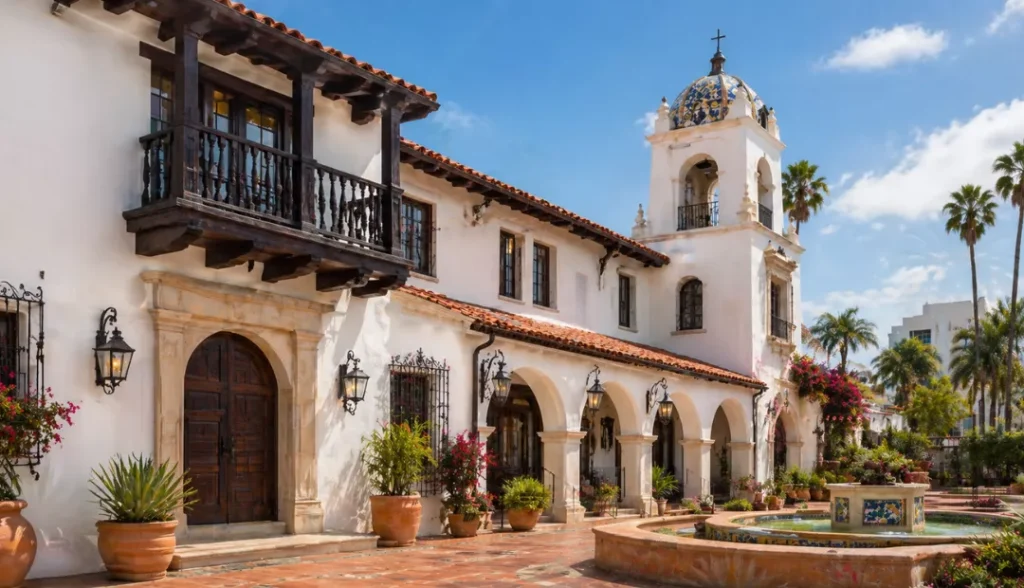
Whitewashed stucco walls, terracotta tile roofs and interior courtyards define Spanish colonial style homes. Arches and arcades abound, churches feature flamboyant facades influenced by Baroque elements such as the so-called Churrigueresque.
Such as the Cathedral of Lima, in Peru; Mission San Juan Capistrano, USA; and Cartagena Historic Center & Port, Colombia.
French Colonial Architecture
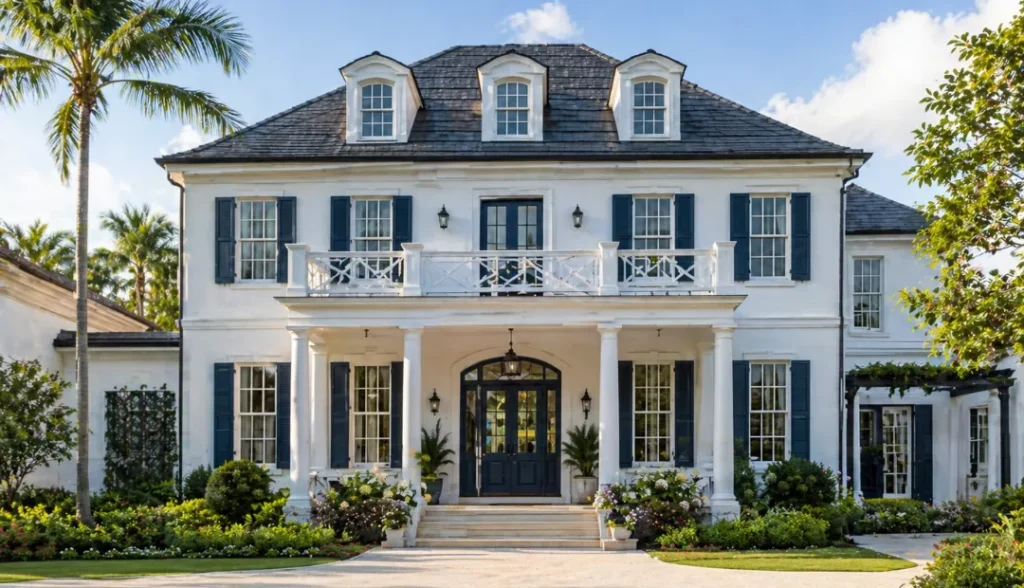
It differs from place to place, but it tends to focus on adapting for climate. While Creole cottages in Louisiana are elevated and encircled by broad galleries, French design brought boulevards, shuttered windows and public buildings a la Europe to Southeast Asia.
The iconic French Quarter in New Orleans and the Hanoi Opera House in Vietnam showcase some of the best examples.
Portuguese Colonial Architecture

Its ornate tilework (azulejos) and early Gothic influences, such as the Manueline style, characterize it.
Notable examples include the Pelourinho district in Salvador, Brazil and the churches of Old Goa in India.
Dutch Colonial Architecture
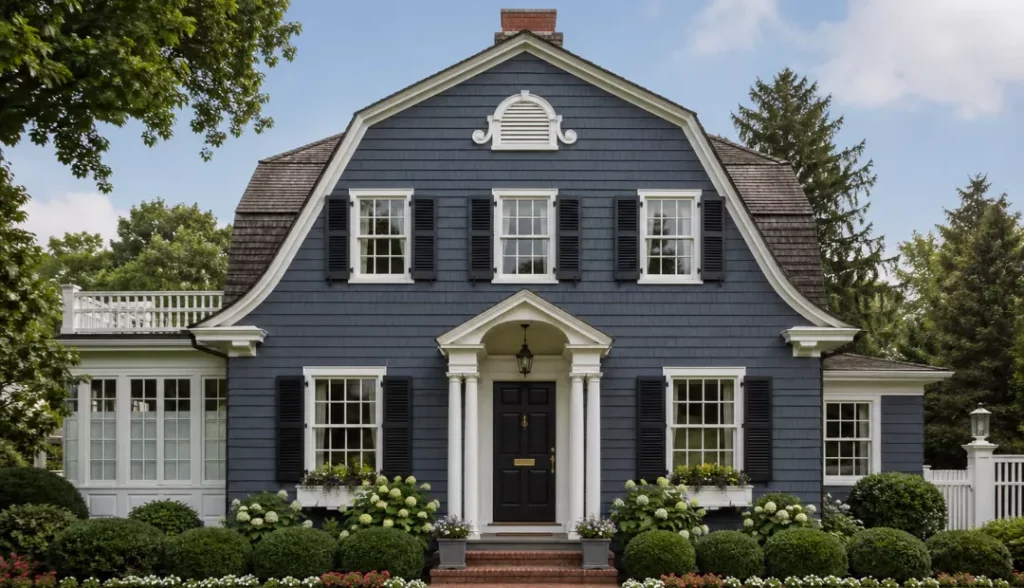
It is characterized by functional design and distinctive roof shapes. In South Africa, this includes gable houses and thatched roofs of Cape Dutch buildings.
Similar sites include Groot Constantia in South Africa, and historic homes across the Hudson Valley region of the United States.
Key Takeaways on Colonial Structure
Colonial structure remains admired for blending European design with local materials, climate needs, and regional craftsmanship. From elegant homes to historic landmarks, many colonial architecture examples still stand today as symbols of timeless beauty and lasting cultural influence.
Don’t miss this:

Dipanjan is a digital marketing professional with five years of hands-on experience across strategy building, content, and performance-driven campaigns. He has worked on building structured marketing systems that focus on reach, engagement, and measurable growth. Known for his analytical thinking and consistency, he brings a practical approach to digital execution. Outside of work, he loves cooking, painting and enjoys exploring interior setups. Connect with him on LinkedIn.