
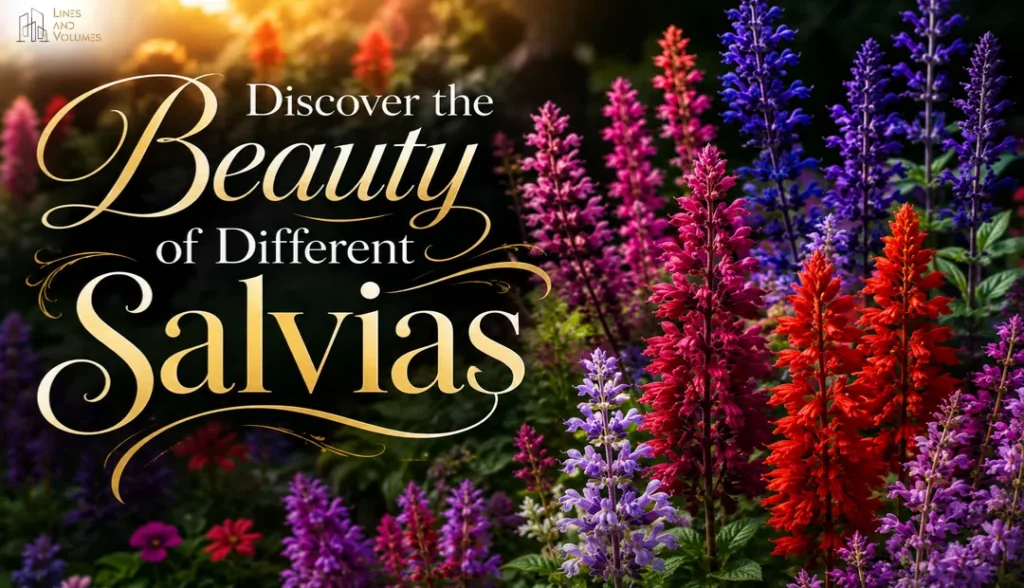
Salvia is highly valued for its bright flowers and low-maintenance nature. It attracts pollinators with its colorful blooms and fragrant leaves. Whether you want an annual flowering plant or a large decorative shrub, it always suits your needs. There are hundreds of spices available. Understanding the types of salvia can help you choose the best for your garden. This guide explores the popular varieties, growing conditions, and care requirements.
Understanding the Salvia
The Salvia genus species is commonly found in the regions of North and South America, Europe, and Asia. This aromatic plant is a member of the mint family.
Salvia is an annual plant, providing flowering throughout the year in preferable climates. The height of the plant depends on the species variety; it ranges from 12 inches to 4 feet.
It is popular for its tubular, spiky flowers, square stems, and aromatic leaves. Most of the varieties prefer at least six hours of direct sunlight daily.
Types of Salvia
Annual salvia
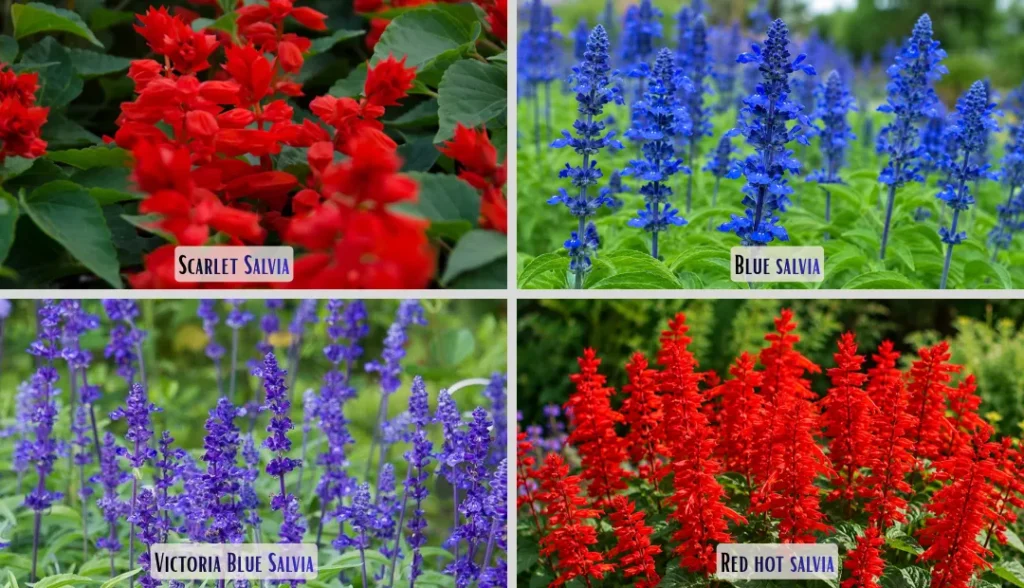
Annual salvia completes its entire life cycle in a single growing season. These flowers add beauty to outdoor spaces throughout the year.
- Scarlet salvia
- Blue salvia
- Victoria Blue Salvia
- Red hot salvia
Perennial Salvias
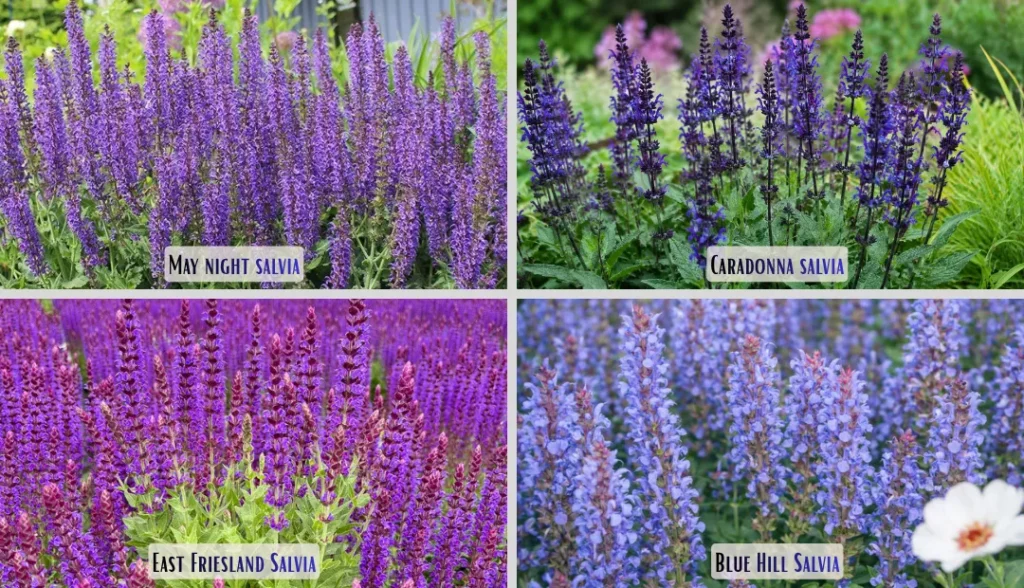
Perennial salvia varieties return year after year. Establish their roots to regrow with favorable conditions. These types of varieties are good investments for long-term landscaping. Popular varieties are:
- May night salvia
- Caradonna salvia
- East Friesland Salvia
- Blue Hill Salvia
Shrub Salvias
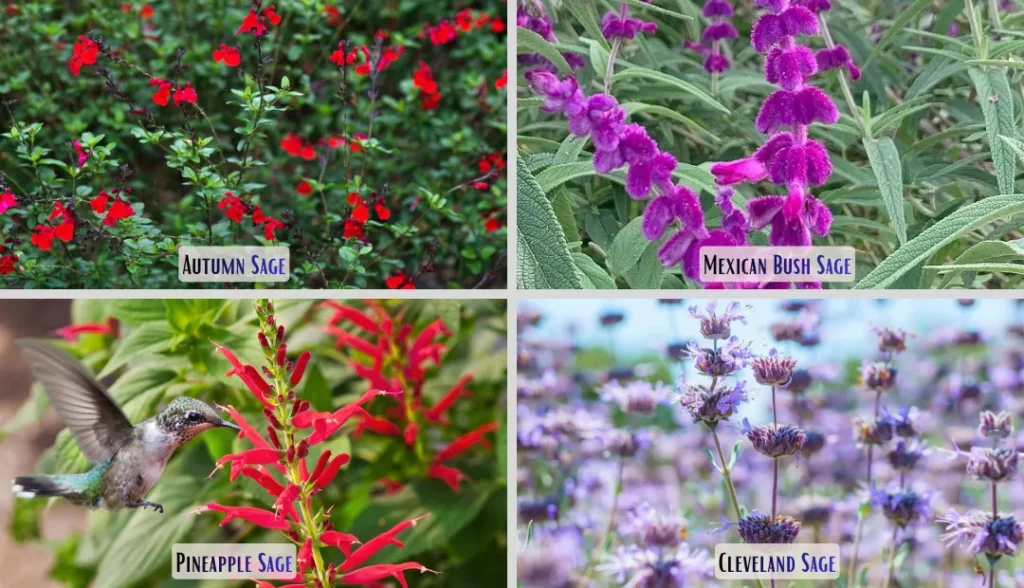
It is a hardy plant and prefers a warm climate. It develops woody stems and helps to grow large plants. Shrub Salvia varieties:
- Autumn Sage
- Mexican Bush Sage
- Pineapple Sage
- Cleveland Sage
Choosing the Right Type of Salvia
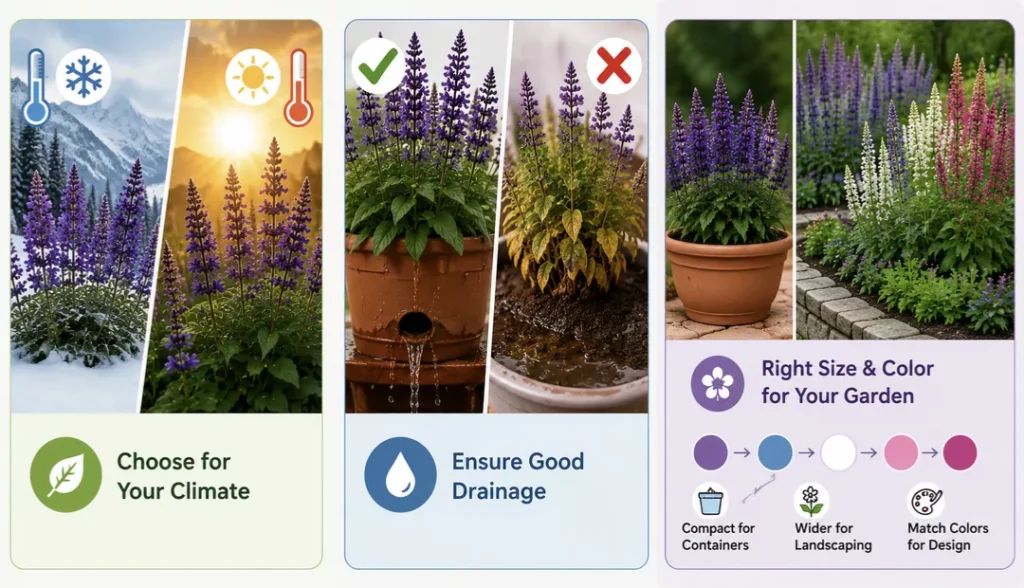
Considering the climate of the garden to choose the salvia varieties is important. Some varieties prefer a cooler climate, while others prefer a hotter climate.
These plants need proper drainage, overwatering can spoil the plants.
Compact varieties are good for containers and small gardens, where a wider variety is better for landscaping. Match the bloom color with your design and create color-flow landscaping.
Salvia Care Tips for Healthy Growth
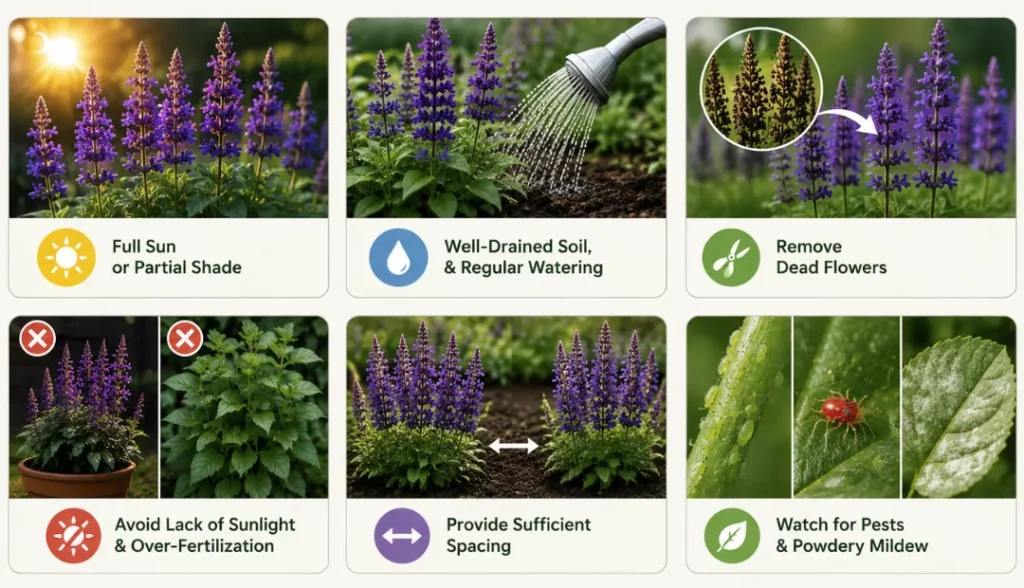
- Most of the varieties perform well in full sunlight, but some of them prefer partial shade.
- Salvia prefers well-drained soil, regular watering, and a good air circulation environment.
- Removal of the dead flowers encourages new flowering.
- Lack of sunlight, over-fertilization, or insufficient spacing reduce the flowering.
- Salvia plants occasionally experience aphids, spider mites, or powdery mildew.
Conclusion
Salvia is one of the largest varieties in the world, including more than 900 species. Some of them are used to attract bees, butterflies, and hummingbirds. It is an easy-to-maintain and low-maintenance plant, making it versatile. Mixing different varieties provides colorful visuals throughout the spacing.
Keep Reading:
- Want a Berry Backyard? Try Growing Huckleberry Plants
- Retaining Wall Ideas: 20 Smart Designs to Upgrade Your Landscape
- Backyard Landscape Ideas That Wow Everyone

Ashish is a seasoned digital marketing professional with over twelve years of experience in Facebook advertising and four years of hands-on experience in SEO. He has worked extensively on campaign strategy, audience targeting, and performance optimization. In his free time, he likes to travel, studying city layouts and natural surroundings. Connect with him on LinkedIn.