

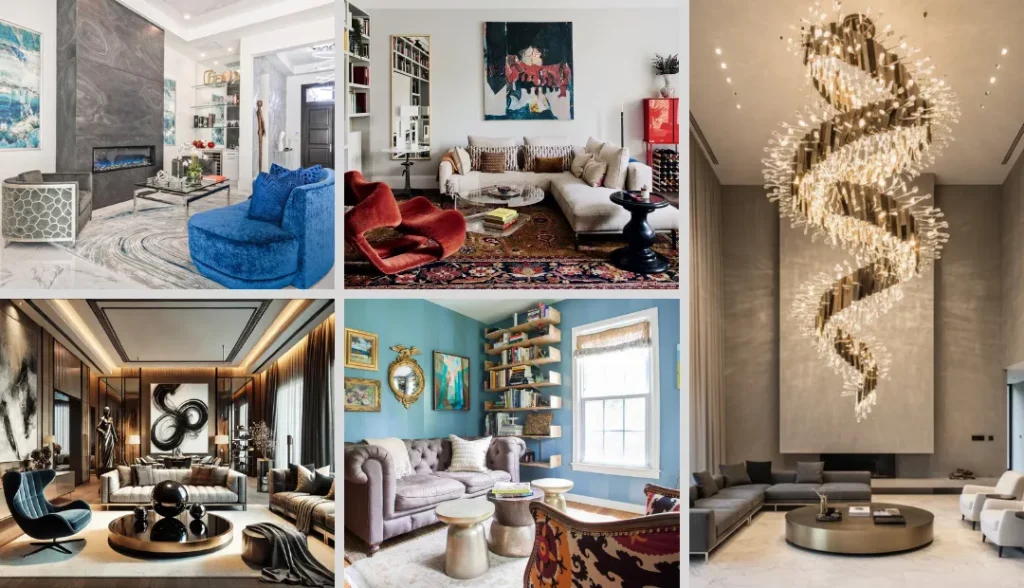
A focal point is a element in a space that makes a room visually more appealing and attracts immediate attraction. It serves as a statement piece and can be anything from a fireplace to a piece of furniture.
Without a visual anchor, a room feels disconnected or cluttered. The eye doesn’t understand where to look first and cannot find direction. In this guide, we explain why a focal point matters in a room and how homeowners can improve a room’s appearance by understanding and emphasizing its focal point.
What Is a Focal Point in a Room?
This is the feature that grabs attention when someone enters the room. It creates a center and guides other things arranged accordingly. It does not mean the largest element in the room; it should stand out to grab enough attention. With the help of focal points, decoration feels more aesthetic. It is not necessary for a focal point to be one; it may be multiple, too.
Why Is a Focal Point Important?
A focal point creates visual hierarchy, reduces visual clutter, and guides the eye toward the elements you want people to notice and experience.

Improves Visual Organization
It helps draw attention and creates a sense of visual order in a space. Focal points create a sense of order throughout the room and help arrange the other elements.
Enhances Room Aesthetics
Rooms with a defined centerpiece appear more professional rather than randomly furnished. It helps to highlight the best features of the room and create balance.
Supports Functional Layouts
With the identification of a design anchor, it is easy to arrange furniture. Seating arrangements, tables, and accessories can be placed to support the features of the focal point.
Adds Personality and Style
A focal point reflects the individual taste of the homeowner. Whether it is the bold artwork, modern fireplace, or a customized wall, it reflects personal taste and style.
Common Types of Focal Points
Architectural Focal Points
Some room features are already constructed as an internal part of the structure. These elements require little attention as they already stand out in the room.
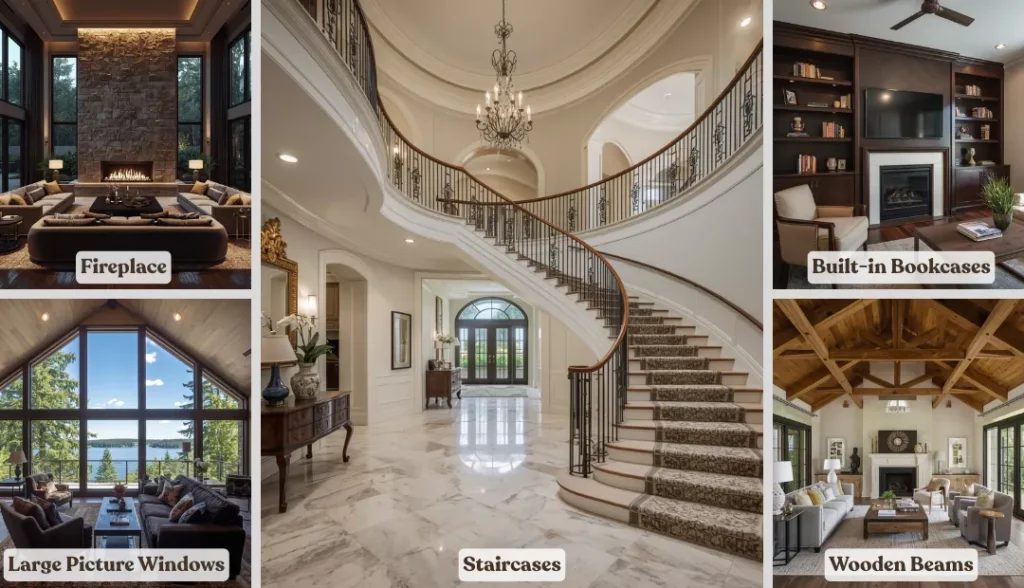
Common examples are:
- Fireplaces
- Large picture windows
- Built-in bookcases
- Wooden beams
- Staircases
Decorative Focal Points
Decorative focal points help create a more visually engaging room. They are created using design elements rather than structural features.
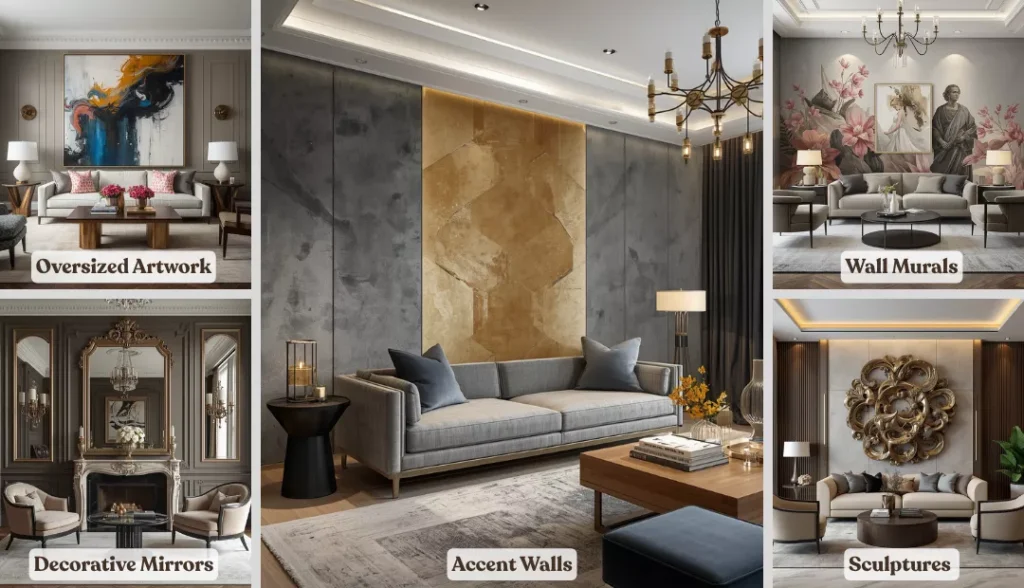
Popular elements are:
- Oversized artwork
- Decorative mirrors
- Accent walls
- Wall murals
- Sculptures
Furniture-Based Focal Points
A carefully chosen furniture statement piece becomes the focal point of a room if chosen wisely.
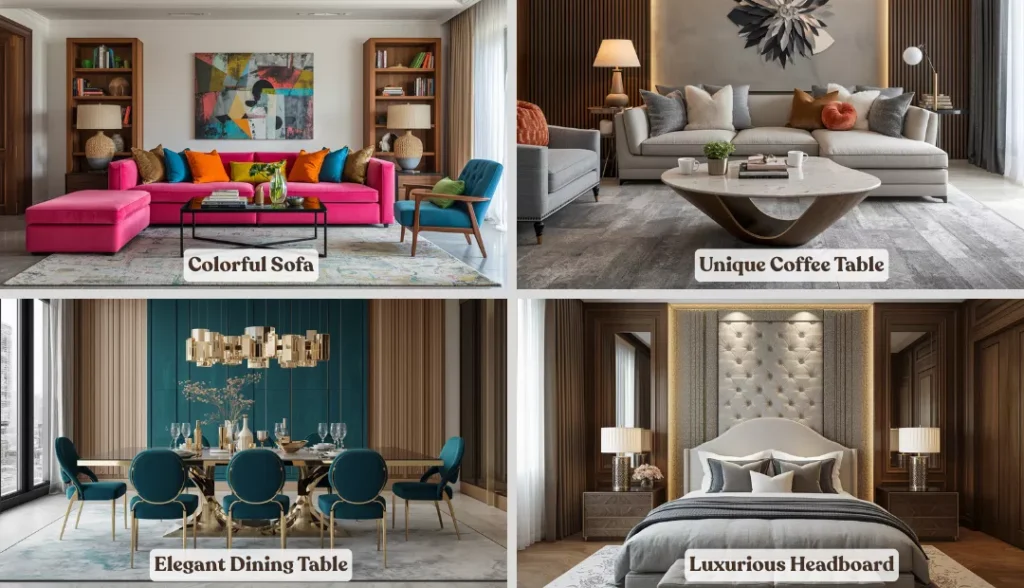
Examples include:
- A colorful sofa
- A unique coffee table
- An elegant dining table
- A luxurious headboard
Natural Focal Points
Sometimes nature itself provides a focal point that creates a refreshing and calming environment.
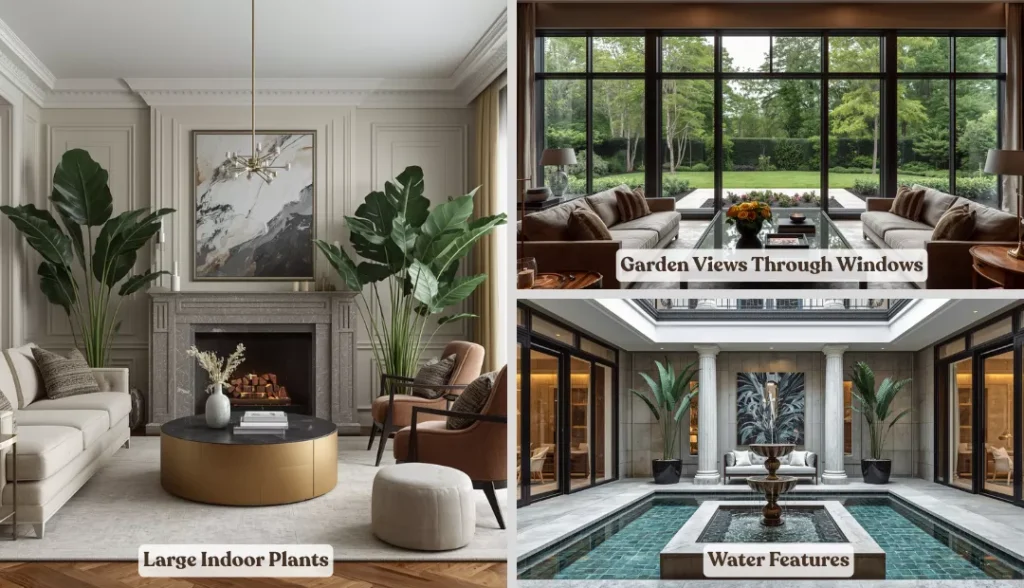
Examples include:
- Large indoor plants
- Garden views through windows
- Water features
How to Identify the Existing Focal Point in Your Room
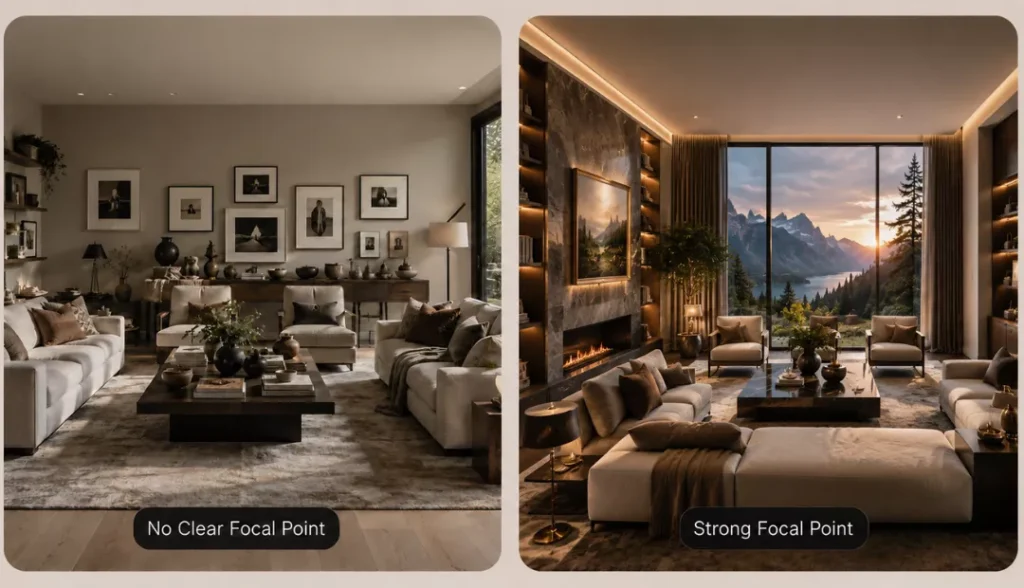
Analyze the room and identify naturally eye-catching elements. It can be anything like a sitting place, a large window, or a big plant. To find out the focal point naturally, enter the room and find where your eyes go first. This is often considered a focal point.
Considering the size and layout of the room, it influences the focal point. If the existing focal point is weak, create a stronger one that draw attention first
How to Create a Focal Point in a Room Without One
Some rooms lack room’s focal element; they can be created through meaningful design.
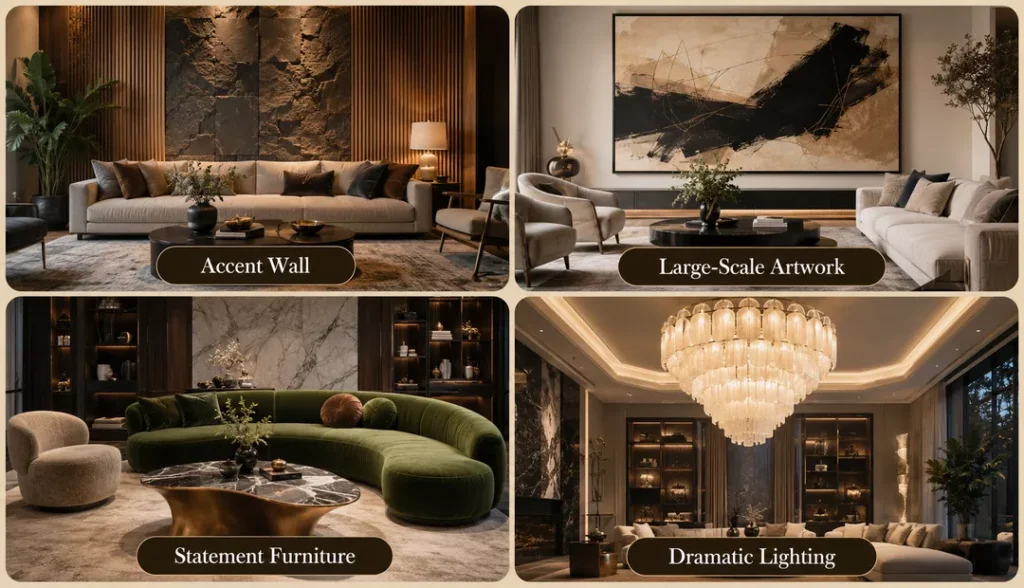
Install an Accent Wall
Creating an ancient wall is the way that attracts attention. A contrast wall adds depth to the room.
Popular materials include:
- Paint
- Wallpaper
- Wood paneling
- Stone finishes
- Textured wall
Use Large-Scale Artwork
One large-scale artwork attracts attention first. It creates a more visually noticeable effect rather than adding many small pieces.
Add Statement Furniture
A unique statement furniture grabs attention immediately. Bold colors and quality materials stand out first.
Incorporate Dramatic Lighting
Addition of lighting solves the practical purpose and creates a contrasting shade. The eye visualizes more when observing contrast rather than a solid surface.
Examples include:
- Chandeliers
- Pendant lights
- Sculptural floor lamps
- Modern ceiling fixtures
Conclusion
A focal point is one of the successful elements in interior design. Every room should have a clear, dominant focal point. It creates visual balance and helps to define the room. Enhance the room’s focal element with scale, contrast, lighting, and symmetry.
A well-planned focal area makes the space more inviting and welcoming. Identify the room’s focal element and arrange other elements accordingly. It creates an attractive environment that feels both functional and visually appealing.
Explore More:
- 10 Living Room Drapes and Curtains Ideas To Style Your Room
- What Is Trending in Biophilic Interior Design in 2026?
- Contemporary Victorian Interior Design Ideas By-Room

Mansi is a creative designer with three years of professional experience, specializing in clean, balanced, and purpose-driven visuals. She is also a passionate writer whose work shows a strong sense of layout, composition, and visual hierarchy. Outside work, she enjoys sketching, experimenting with color, and spending time around plants and outdoor spaces. Connect with her on LinkedIn.