
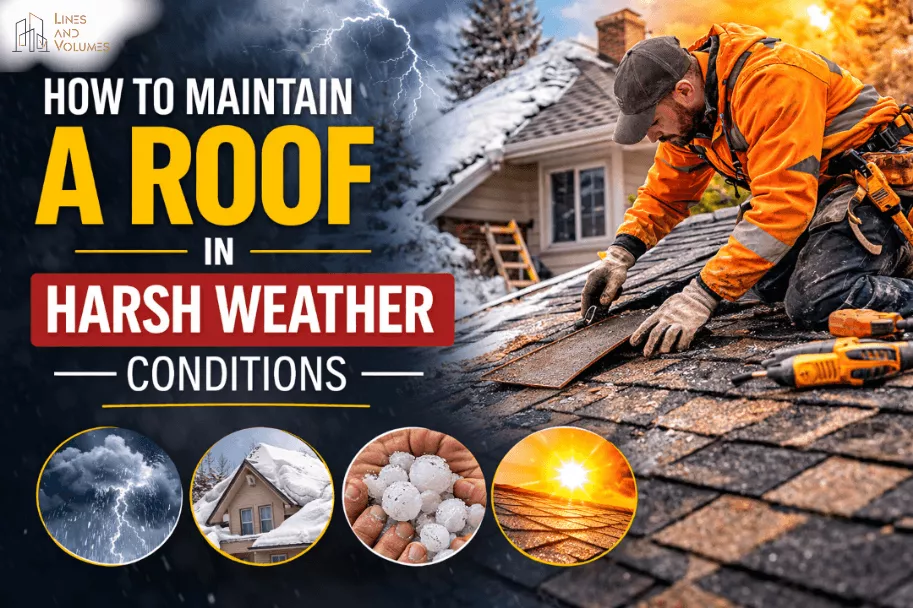
Up to 95% of the time roofing problems are related to poor or neglected maintenance. Most roofs are designed for normal weather, but they can degrade rapidly if not maintained under extreme conditions. This highlights how to maintain a roof in harsh weather conditions, ensuring the structure remains durable and protected against heavy rain, strong winds, snow, and temperature fluctuations.
Severe weather conditions are those that put a lot of stress on roofing systems. This includes severe wind, hailstorms, torrential rain areas, flooding and snow/ice build up as well as extreme heat waves with high level UV exposure. These forces over time weaken roofing materials, loosen structural components and heighten the risk of leaks or serious damage.
It is important to know how to keep a roof during bad weather so that your house can be protected. In this guide, we’ll take a look at why extreme weather damages roofs, how to prepare your roof before storms come through and what roofing materials perform best in difficult climates.
Why Harsh Weather Damages Roofs: Key Causes
Roofs are designed to be strong, but they face extreme weather conditions, and over time even the best materials can experience damage. With temperature changes, the water penetration and high winds act as points of stress which lead to damaging the roofing structure.
Different types of severe weather will impact roofs in different ways:
Wind Damage
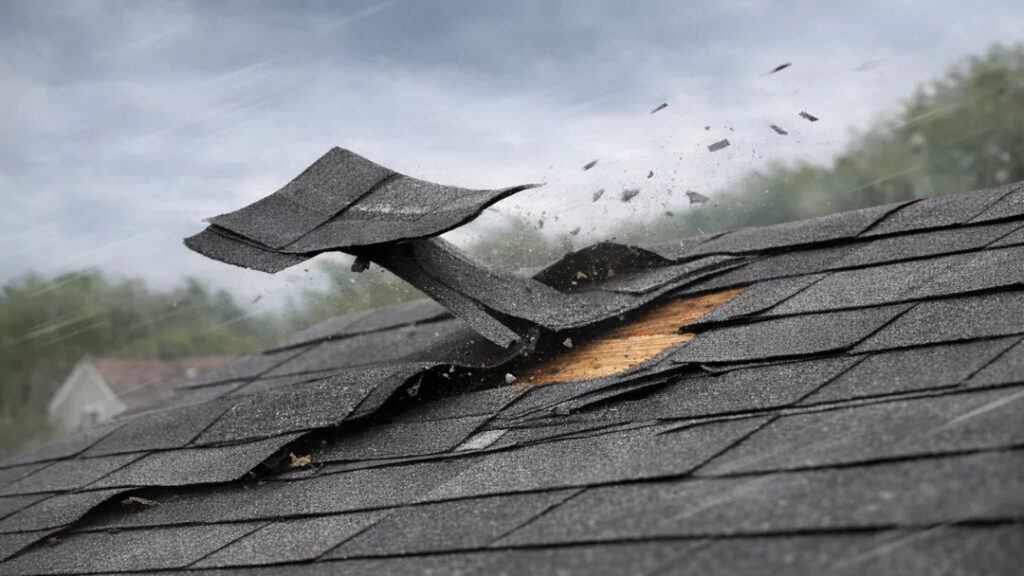
This is one of the common causes of damage to a roof due to high winds.
One of the most common causes of damage to a roof is high winds. Reverse pressure from high winds can lift shingles from their edges, breaking adhesive seals that allow water to reach below the top layers of roofing materials.
Snow and Ice Damage
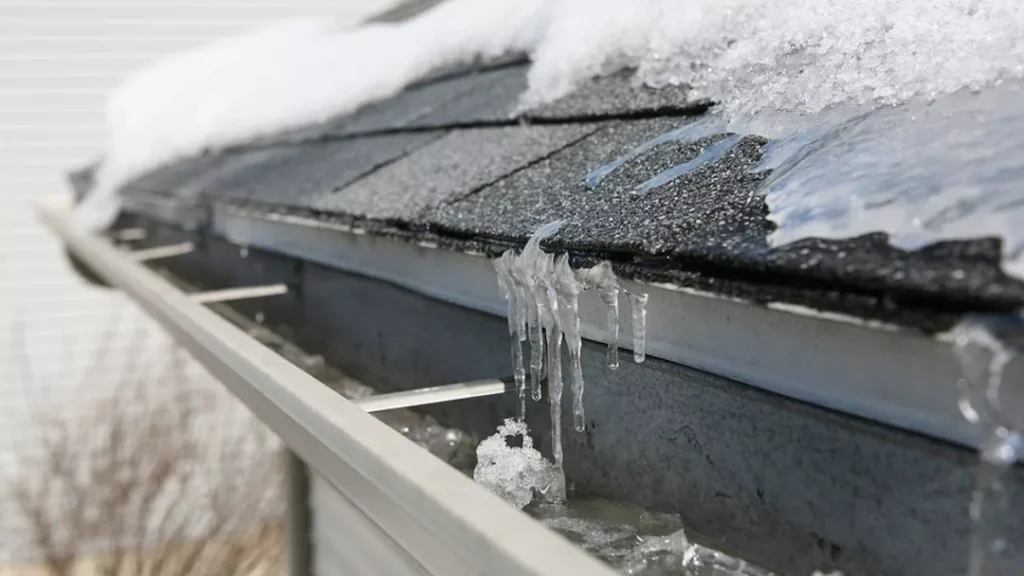
Cold climates bring a whole different set of roofing challenges. Heavy, wet snow accumulation adds a lot of weight to the roof structure over long winter storms.
Ice dams are another big problem, and they occur when snow melts on warm parts of the roof and refreezes along the edges. It traps moisture to the degree it will seep underneath shingles and create leaks inside the home.
Hail Damage
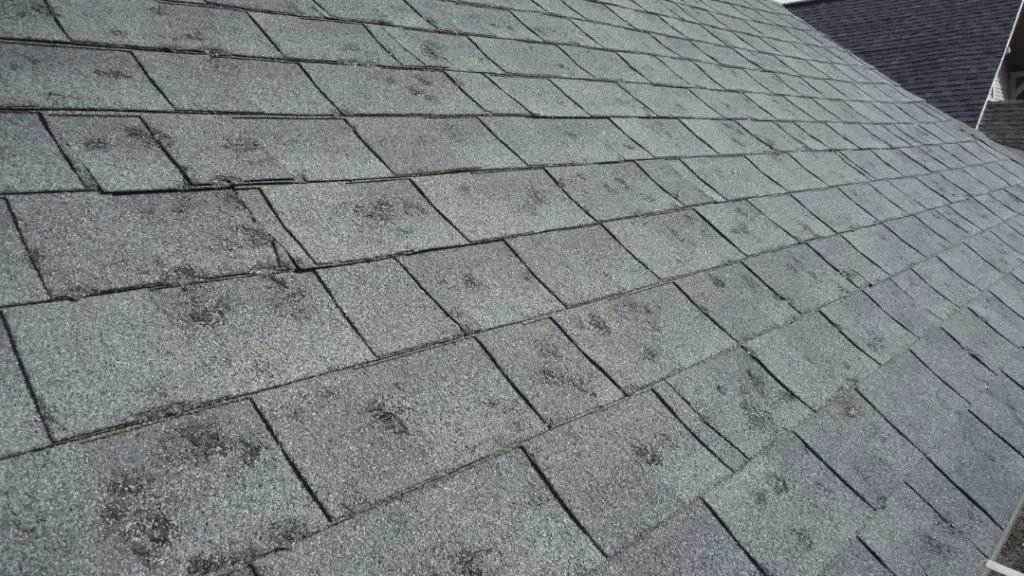
When strong hailstones hit the roof with enough force, they can remove granules from asphalt, bruise underlying layers, and crack tiles and shingles.
Granules are critical for shielding shingles (not to mention your home’s interior) from UV rays and moisture. When they are removed, roofing materials degrade far more quickly.
Heat and UV Exposure
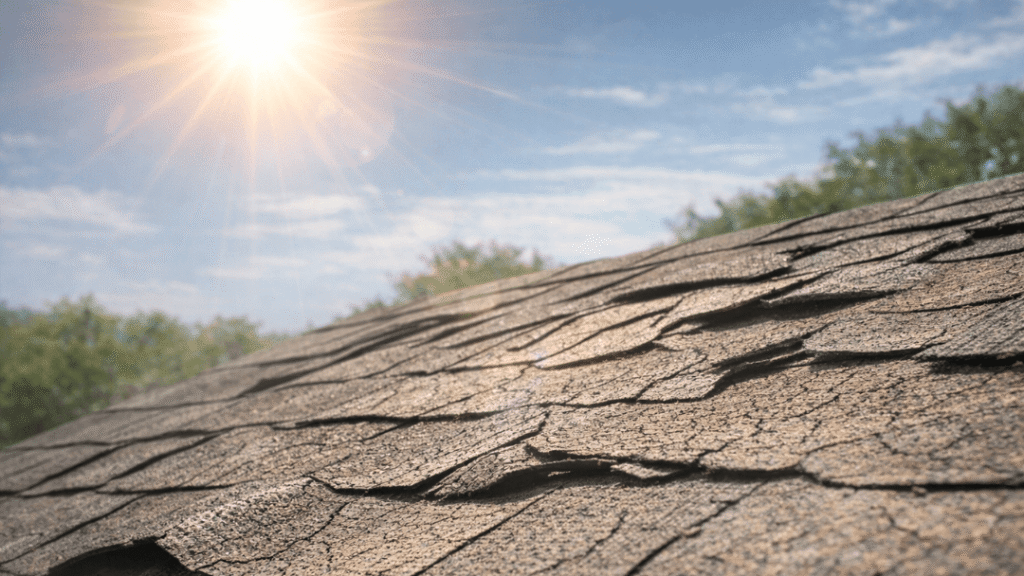
Roofing materials deteriorate gradually due to prolonged exposure to sunrays in hot climates. High levels of UV radiation dry out asphalt shingles, leading to brittleness and cracking.
Heavy Rain
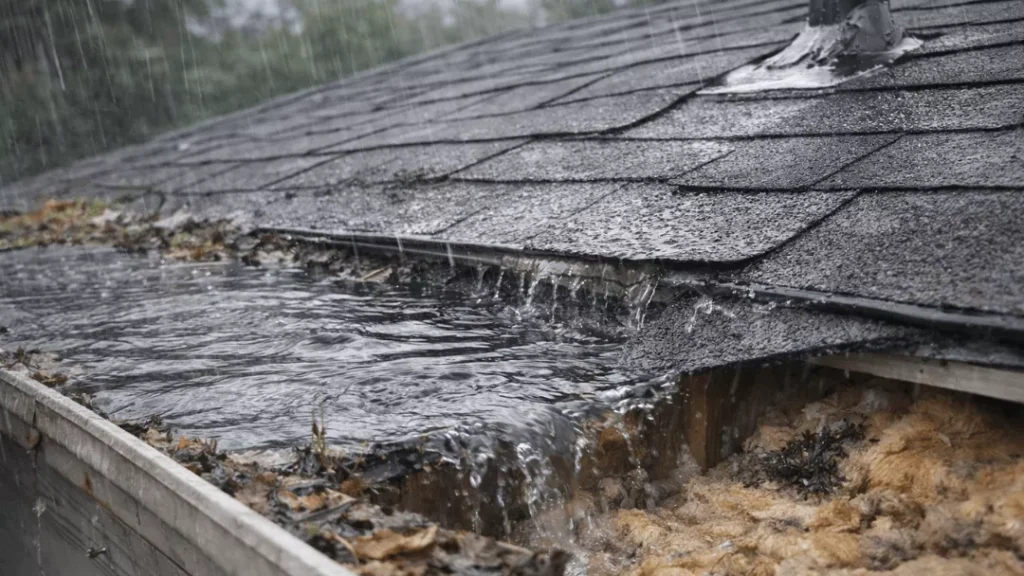
Torrential rain can rapidly reveal weaknesses in a roof’s drainage system. When water cannot flow down from the top of your home due to clogged gutters or damaged flashing, it can start to pool on the roof surface.
Continued moisture results in mold, wood rot and damaged insulation inside the attic.
How to Protect Your Roof Before a Major Storm
The best preventative measure to get your roof ready for extreme weather is preventive maintenance.
Step 1: Perform a Pre-Storm Inspection
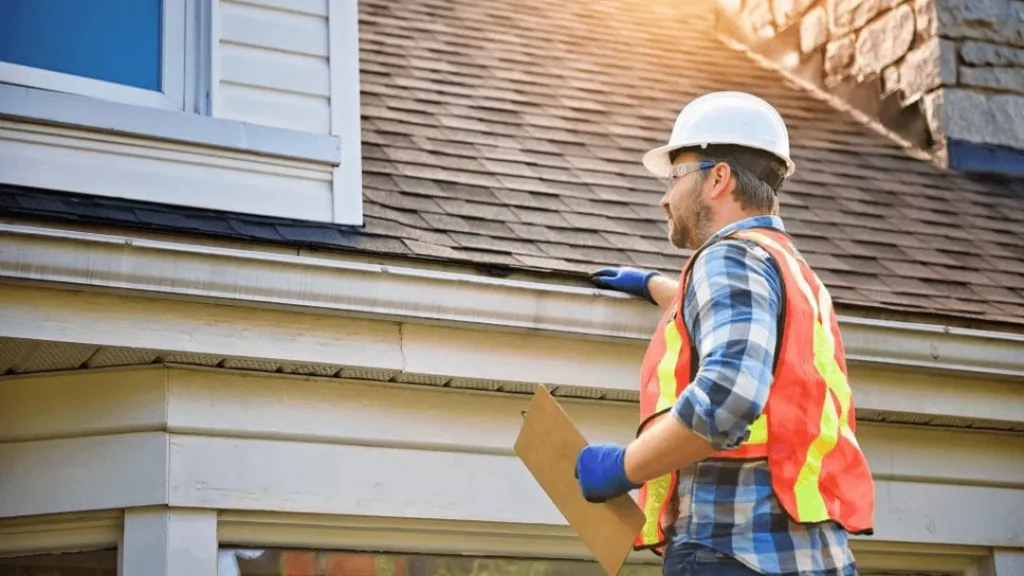
Use binoculars if you need to start inspecting visually from the ground. Check for missing shingles, sagging sections, cracked flashing or a buildup of debris.
Within the attic, look for water stains, mold or wet insulation. These are signs that indicate existing leaks in need of urgent action.
Step 2: Secure or Remove Loose Items
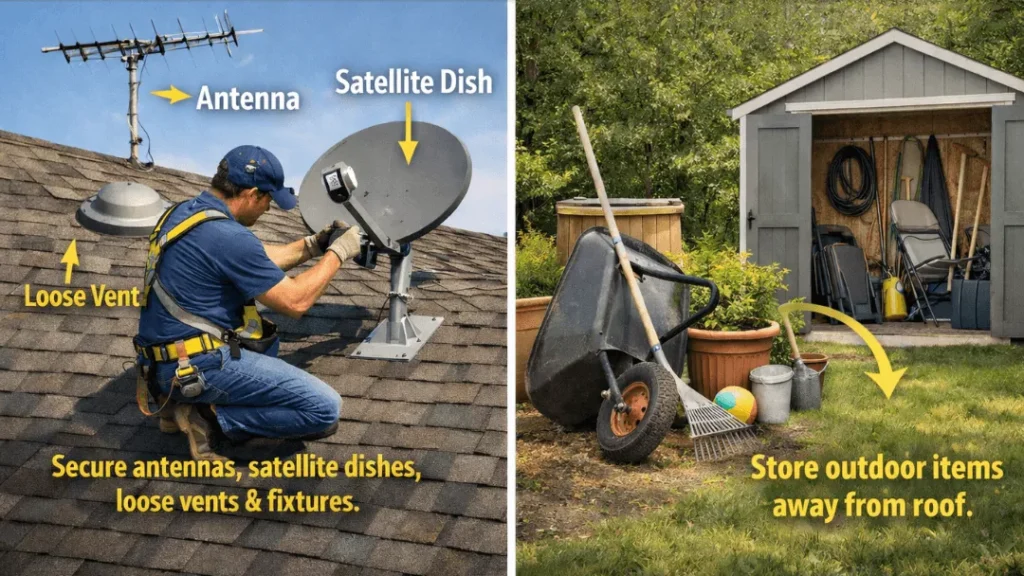
Items installed on or near the roof can be dangerous in storms. These include antennas, satellite dishes, loose vents or decorative elements.
You should also move any loose outdoor objects like patio furniture or garden tools away from the house to prevent them from becoming flying debris.
Step 3: Fix Cracked or Lifting Shingles
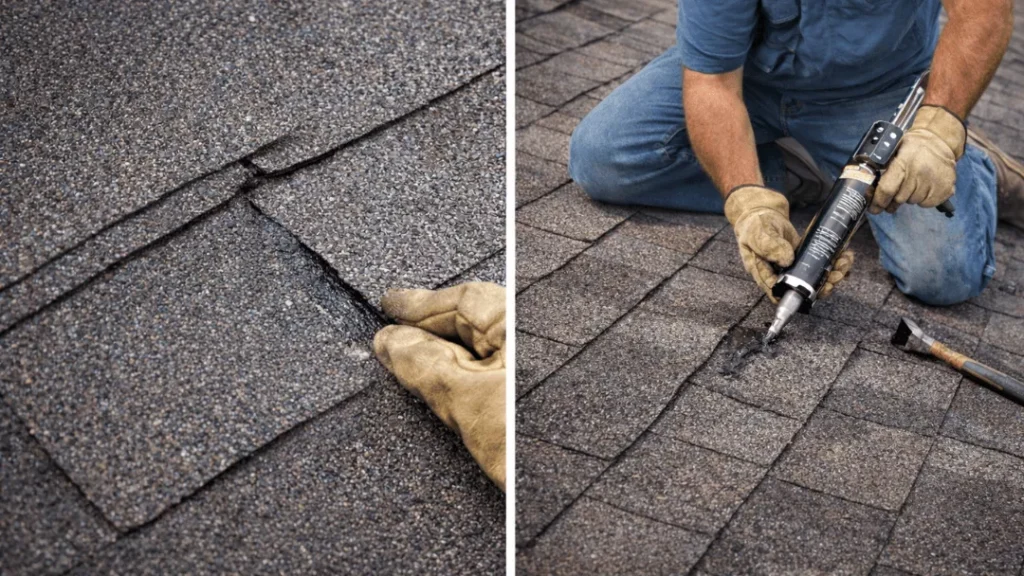
If you spot cracked or partially lifted shingles, using roofing cement or sealant can help temporarily hold them in place and prevent moisture from seeping through.
Small repairs done early can prevent much larger structural problems during severe weather events.
Step 4: Reinforce Flashing Around Roof Penetrations
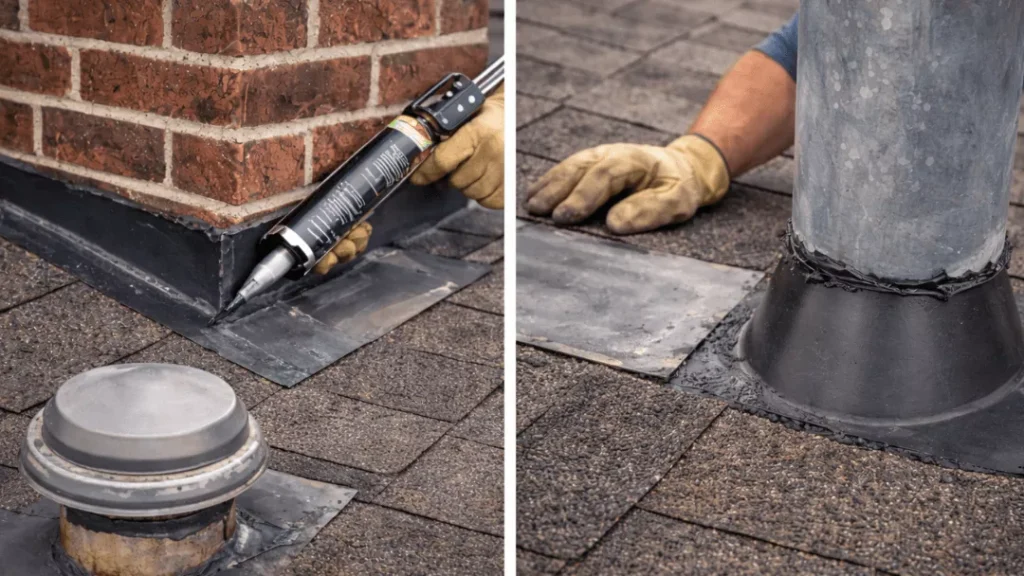
Flashing protects the open vulnerable around chimneys, skylights, vents and roof valleys. Flashing seals can weaken or separate over time. Examine these sections closely, and apply new sealant as needed.
Step 5: Clean and Maintain Gutters
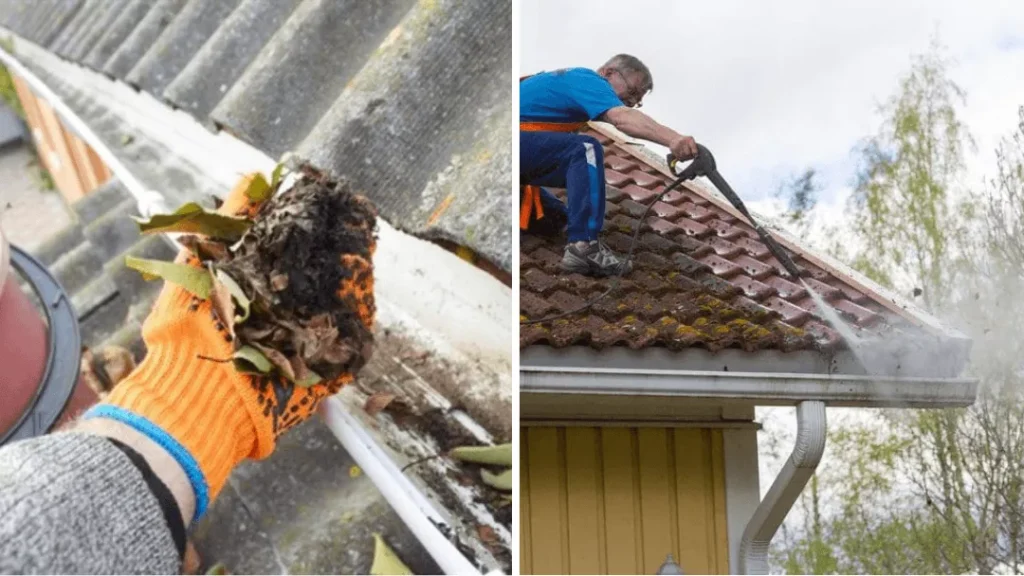
During storms, one of the most common causes of roof damage is clogged gutters. Debris on them, like leaves or dirt, prevent water from flowing and lead to overflow.
Gutter cleaning prevents rainwater from staying near the roof or foundation. Gutter guards also help minimize maintenance requirements.
Step 6: Water-Proof Membranes If Required
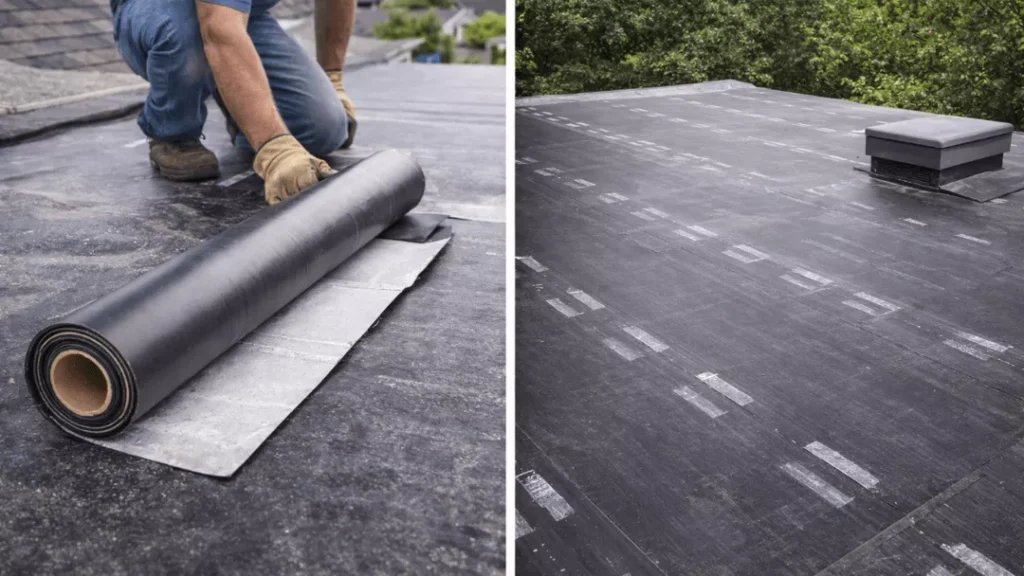
Waterproof membranes give extra protection for flat or low-slope roofs from accumulating water. These layers act as a moisture barrier, and prevent it from permeating during long periods of rain.
This upgrade is especially helpful in areas that often have storms or heavy seasonal rain.
Best Roofing Material Options
Metal Roofing
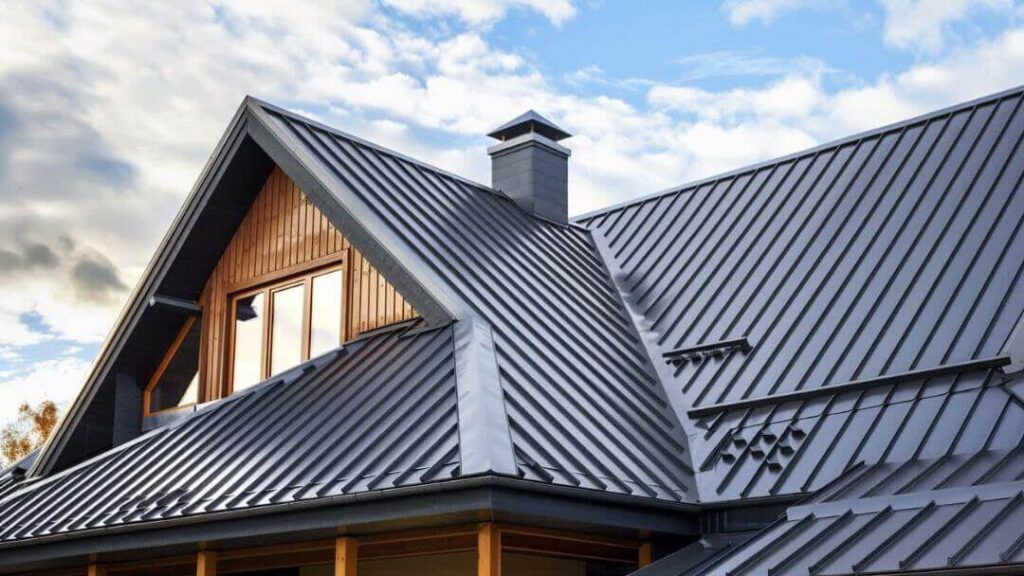
Metal roofs are some of the sturdiest options for severe climates. They are also wind-resistant; when properly installed, they can handle winds of up to 140 miles per hour.
Impact-Resistant Asphalt Shingles
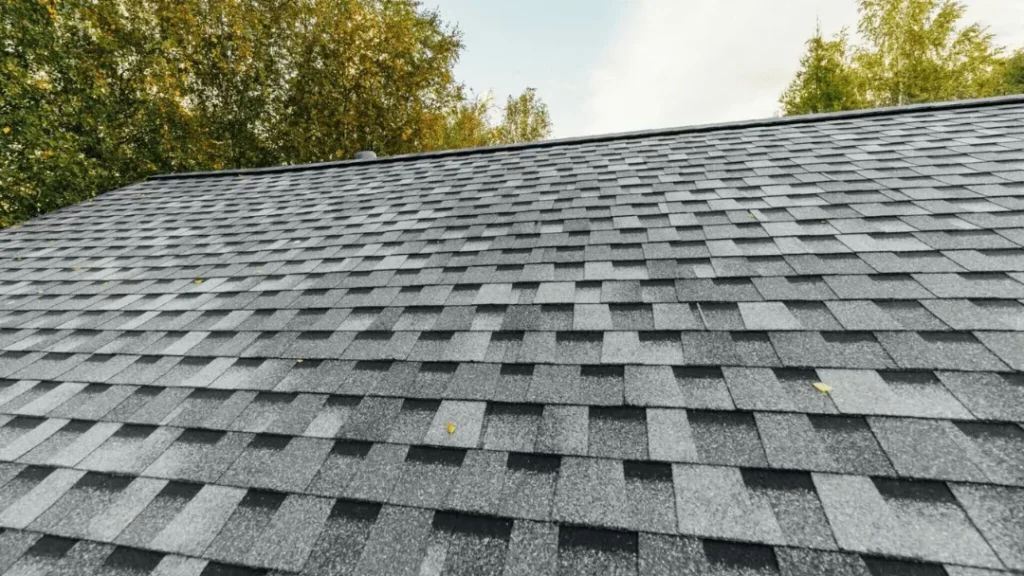
An impact-resistant asphalt shingle is made for use in hailstorm-prone areas. Most products have a Class 4 impact rating, the highest durability standard for shingle roofing.
Concrete or Clay Tiles
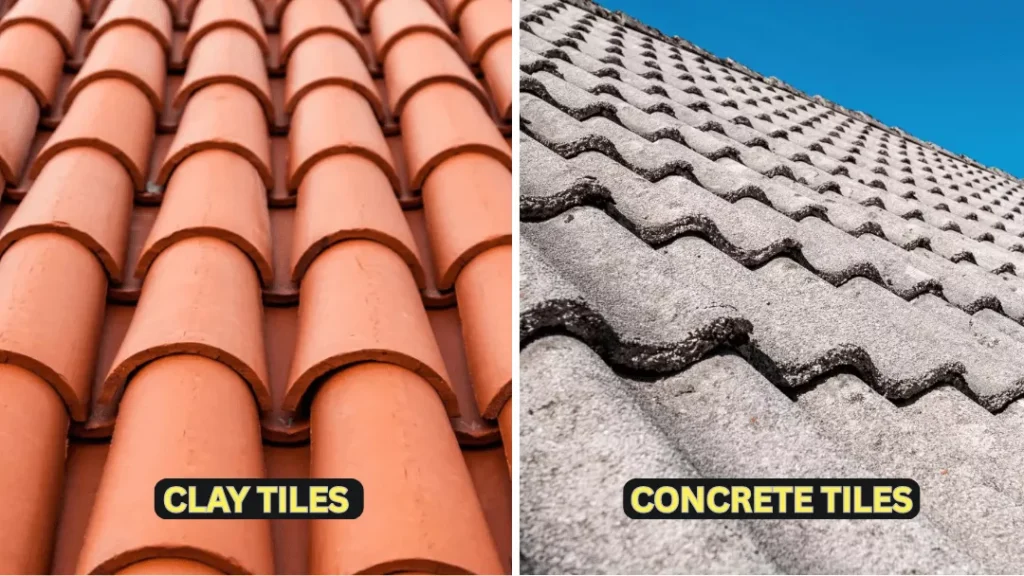
Both clay and concrete tiles do very well in hot climates because they resist heat and fire incredibly well.
Slate Roofing
Slate roofs are exceptionally durable, and with maintenance can last longer than 100 years.
They have natural resistance to flame, wind and temperature extremes. The downside is a lot of expense and reinforcement to the structure.
FAQs
At least twice per year, once in spring and once in fall — plus after any major storm event.
Ice dams form when heat tries to escape through the roof and melts the snow, which refreezes at cold eaves. Prevention includes improving attic insulation and ventilation.
It’s generally not recommended. Use binoculars from the ground or hire a professional with proper safety equipment.
With proper maintenance, asphalt shingles last 20–30 years, metal roofing 40–70 years and slate 100+ years, even in harsh climates.
Final Thoughts
Because extreme weather puts huge stress on roofing systems, regular, proactive maintenance can make all the difference. Understanding how to maintain a roof in harsh weather conditions helps homeowners prepare their roofs to handle strong winds, heavy rain, snow, and temperature fluctuations. Maintaining routine inspections, timely repairs, and effective drainage management are key steps toward a sturdy roof. These techniques, combined with durable roofing materials and regular inspections, can maximize a roof’s lifespan while protecting the entire home from expensive storm damage.
Find Out More:

Ashish is a seasoned digital marketing professional with over twelve years of experience in Facebook advertising and four years of hands-on experience in SEO. He has worked extensively on campaign strategy, audience targeting, and performance optimization. In his free time, he likes to travel, studying city layouts and natural surroundings. Connect with him on LinkedIn.