
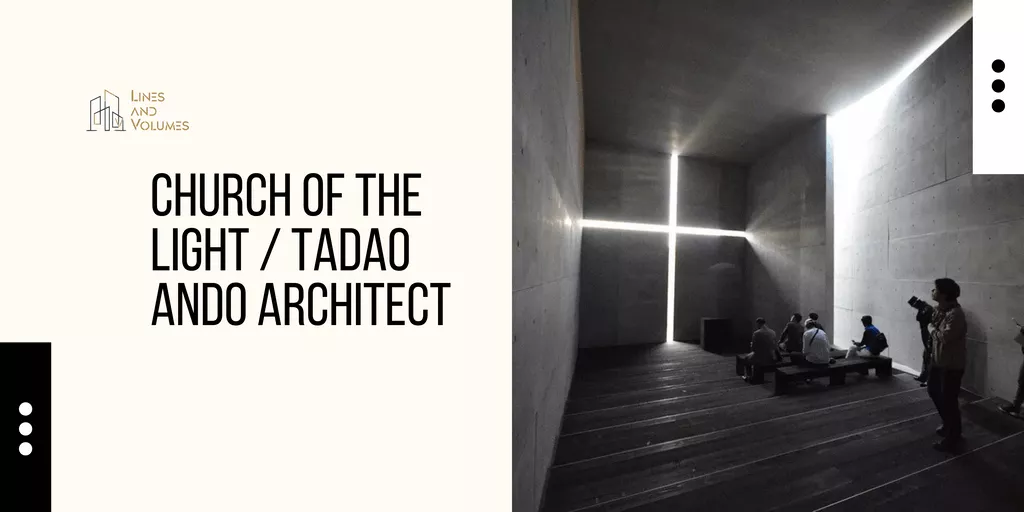
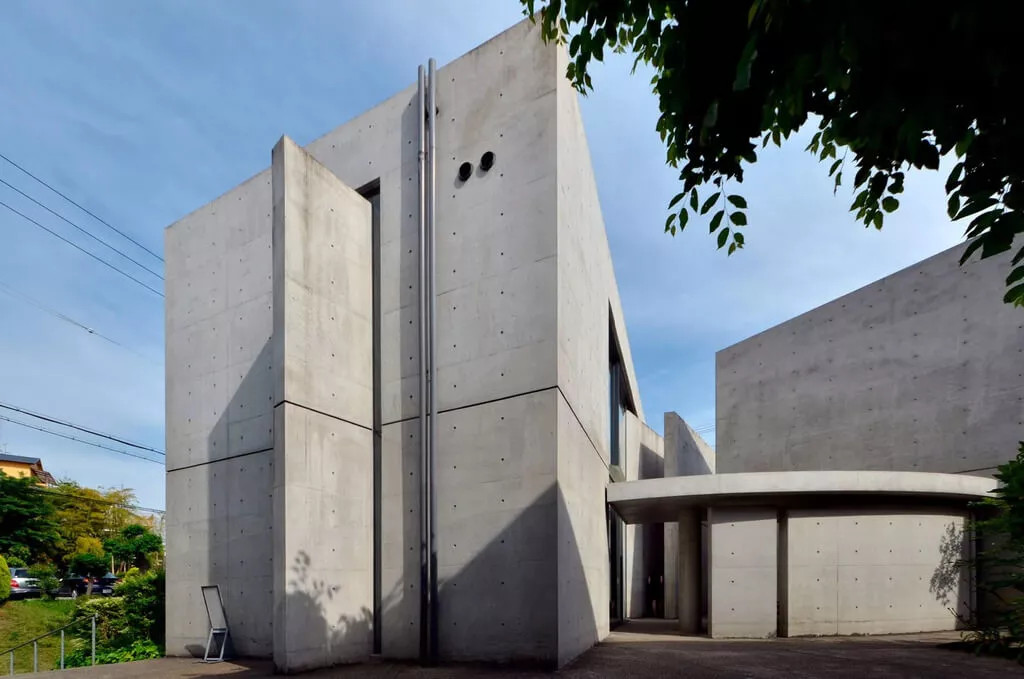
Situated in a quiet residential neighborhood, on the corner of two streets in Ibaraki, Japan. Located about 25 kilometers from outside Osaka. Tadao Ando Church of Light is a chapel known for minimalistic, dramatic design and deep engagement with nature. A small religious structure with an area of roughly 113 square meters or 1,216 square feet.
Completed in 1989, the Church of Light reflects the vision of world-renowned Japanese architect Tadao Ando, who said, “In all my works, light is an important controlling factor.”
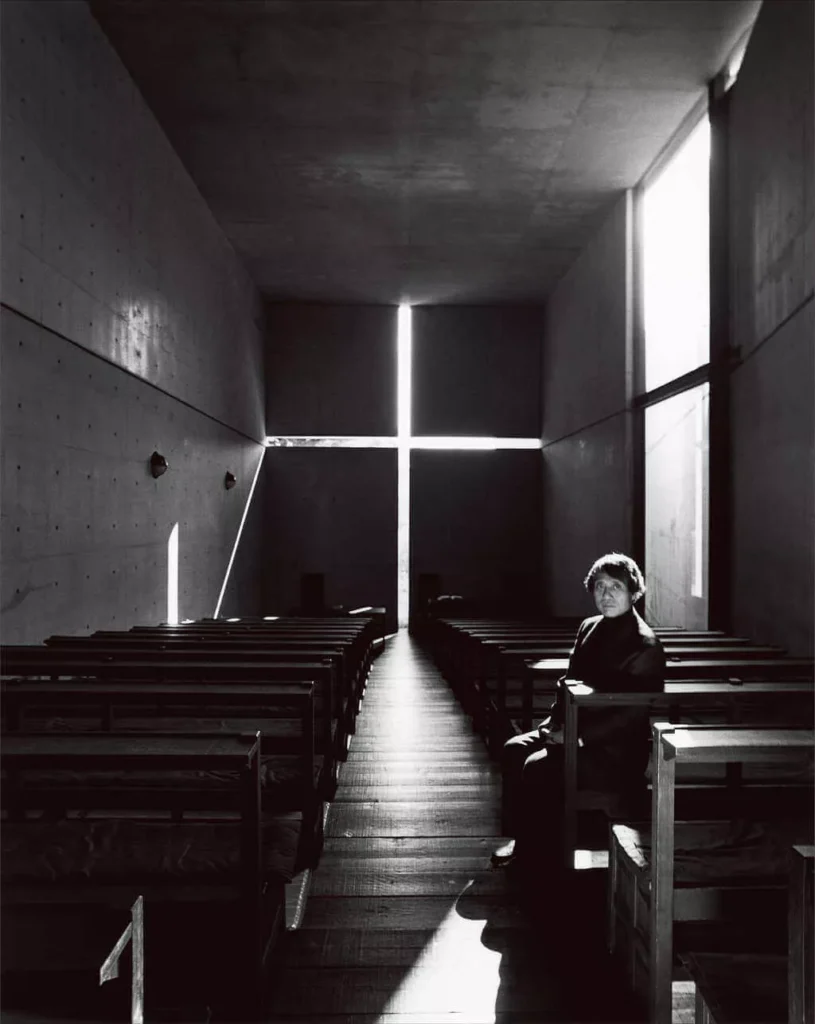
Source: metalocus.es
Tadao Ando is known for simplicity and minimalism in his architecture, creating spaces that convey both spirituality and secularism.
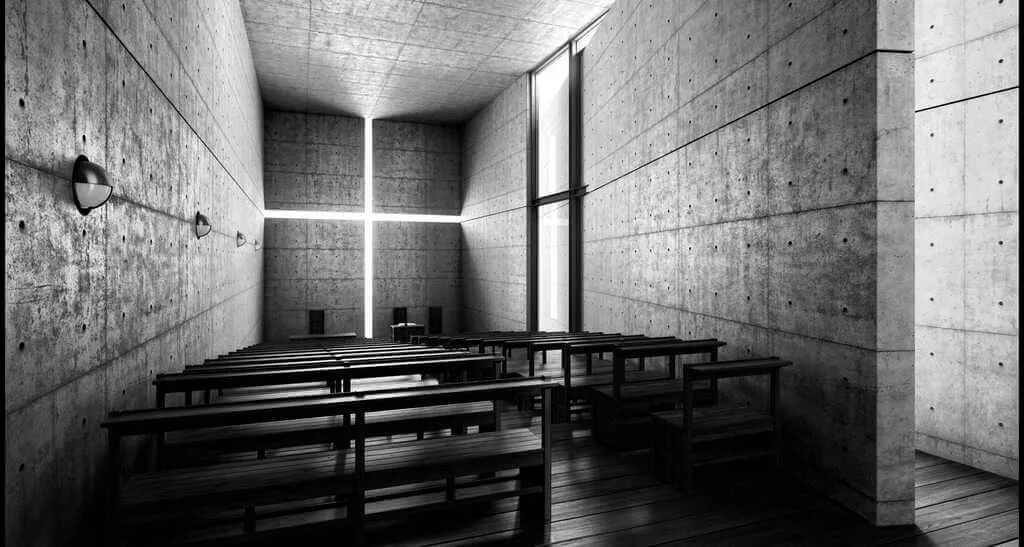
Source: medium.com
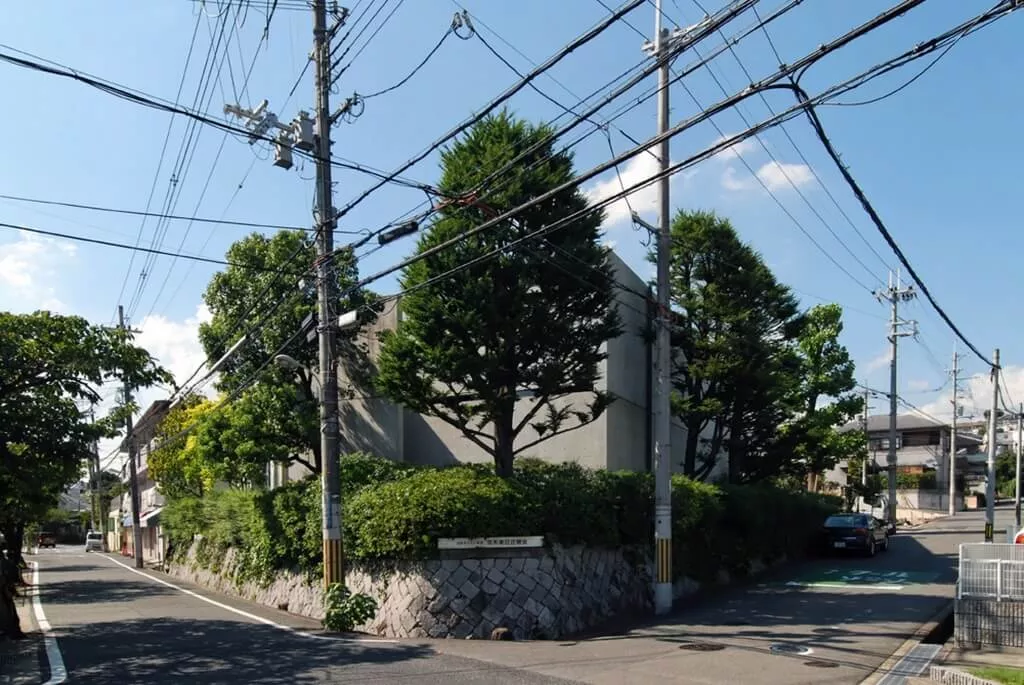
Source: archmedia.eu
Why it Matters in Modern Architecture?
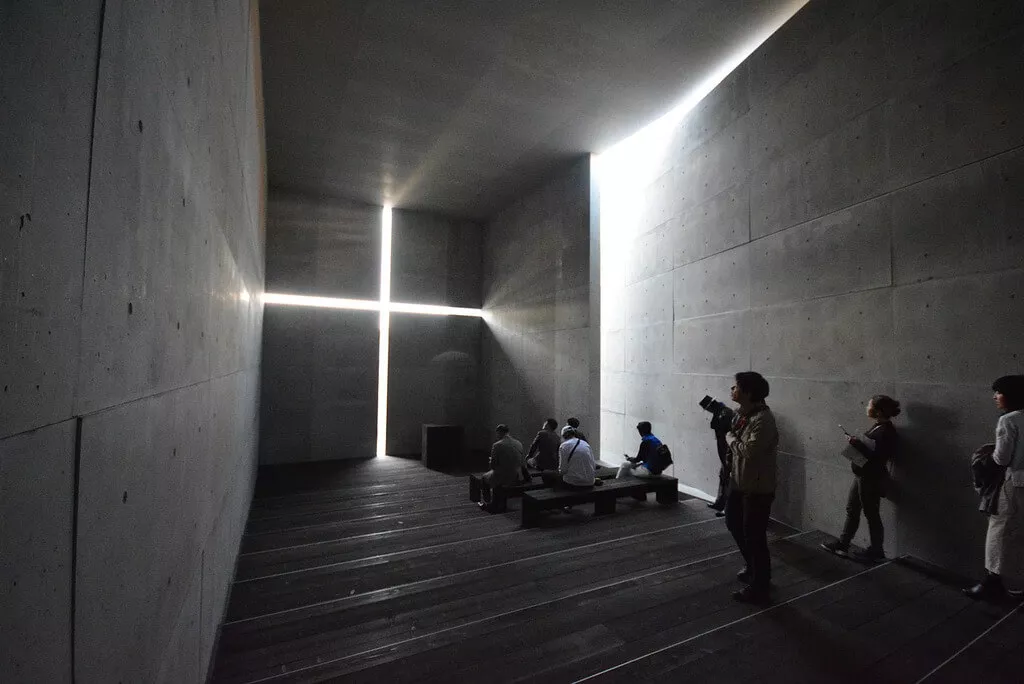
Source: tomfaulkner.co.uk
The concrete structure ignores traditional Christian symbols and decoratives, apart from a cross projecting from the east-facing facade.
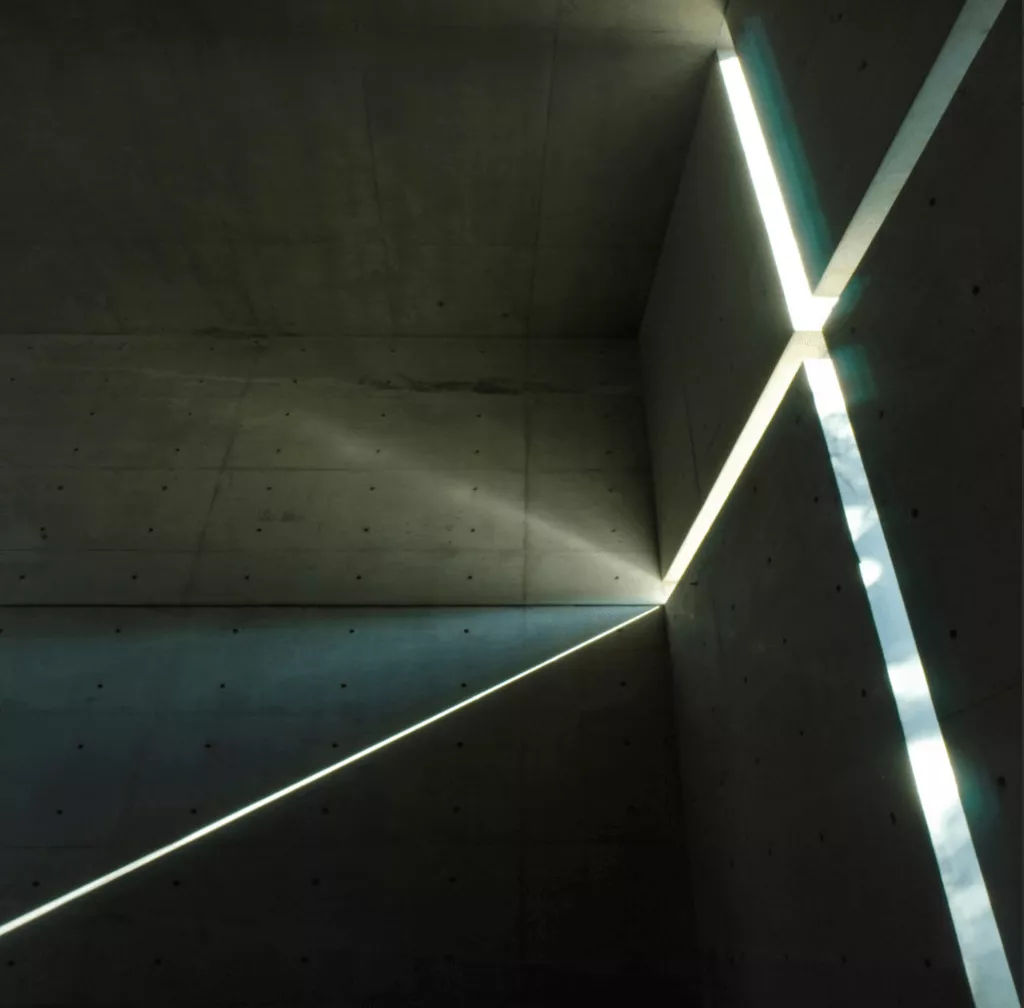
In particular, structure’s main feature, a crossed shaped aperture, through which light streams into the concrete structure, also serves as the primary source of illumination in the building.
Key Design Principles
Minimalism at Its Peak
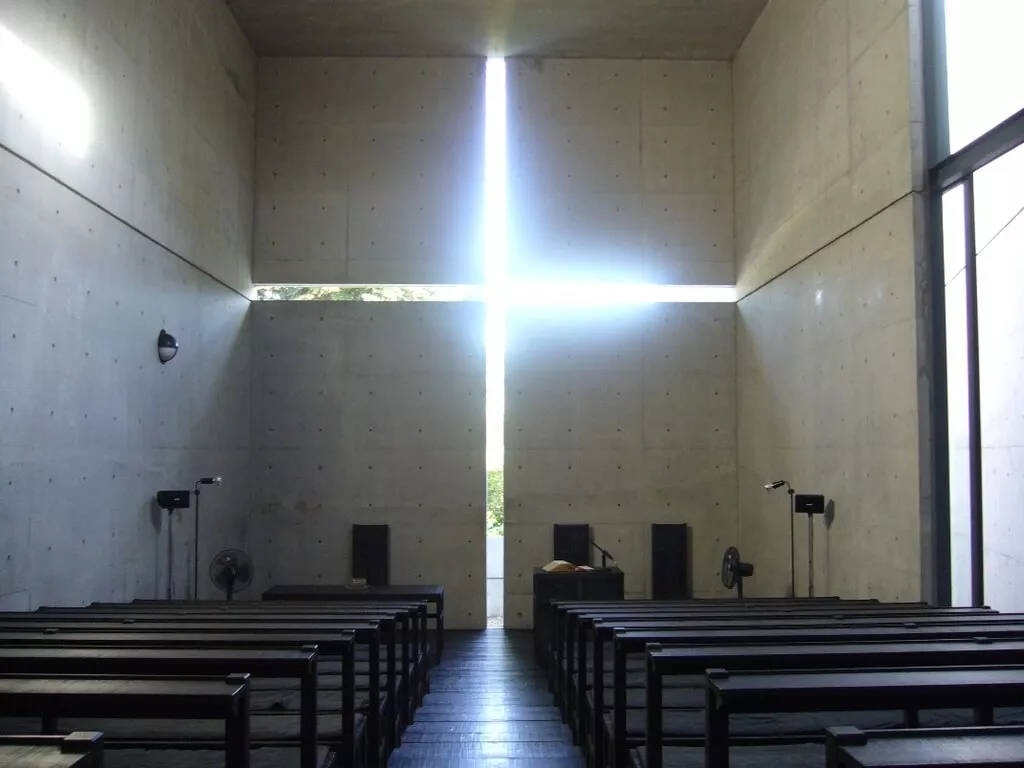
Source: wikimedia.org
Tadao used only three materials, light, concrete and glass, to express the dual existence of nature: light and dark, solid and void, stark and serene. Furthermore, restraint allows the architecture to communicate with visitors without distraction.
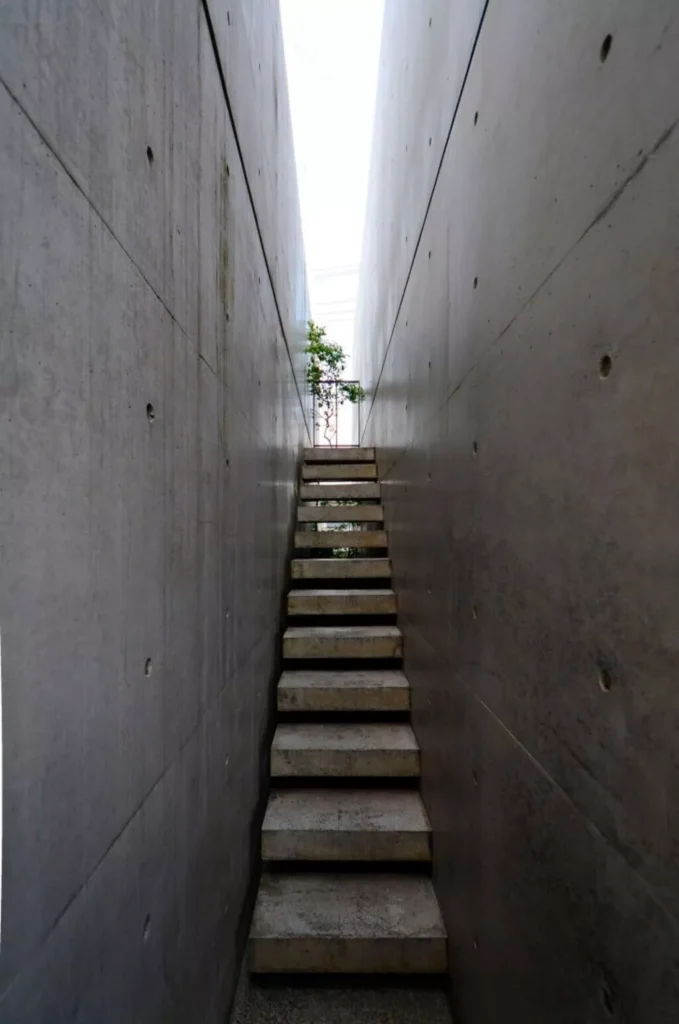
Source: metalocus.es
Role of Light
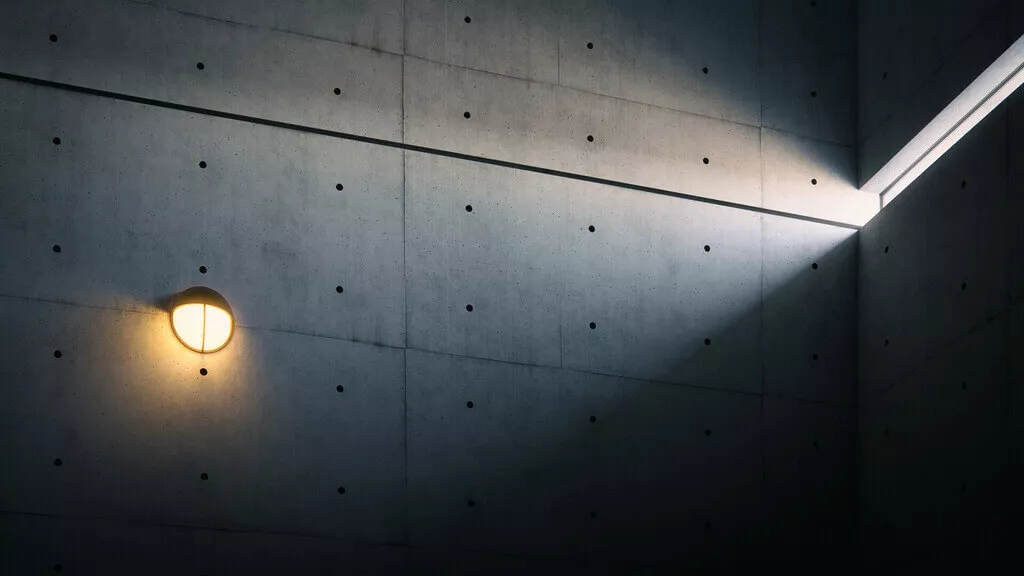
Source: artstation.com
The Church’s most eye-catching element is the cross-shaped on east facade of the structure. In the morning, visitors experience a lasting impression of a cross-shaped beam of light lingered after they close their eyes.
Source: architecture-history.org
Spatial Experience
Source: architecturelab.net
A wall cuts through the main hall at a 15 degree angle without touching any other walls or the ceiling. Consequently, it blocks the direct route inside, making visitors take a longer path that slows movement and taking them into meditative mindset.
Symbolism and Meaning
Ultimately the architecture brings a sense of finite space, transcendence of nature, highlighting the quality of human existence. Light plays a symbolic and existential role, with the passing hours made visible through shifting patterns of light and shadow.
Related Reads:
- Amoeba House in Itú Sao Paulo
- 5468796 Architecture Creates House for Modest Sanctuary
- 3000 Hanover Lobby in Palo Alto – Form4 Architecture

Navdeep is a PHP programmer by profession, & rider by passion with a strong interest in writing, reflection, and travel. His writing draws from daily experiences across online and real-world settings, often influenced by an interest in interior design and how spaces affect mood and function.