
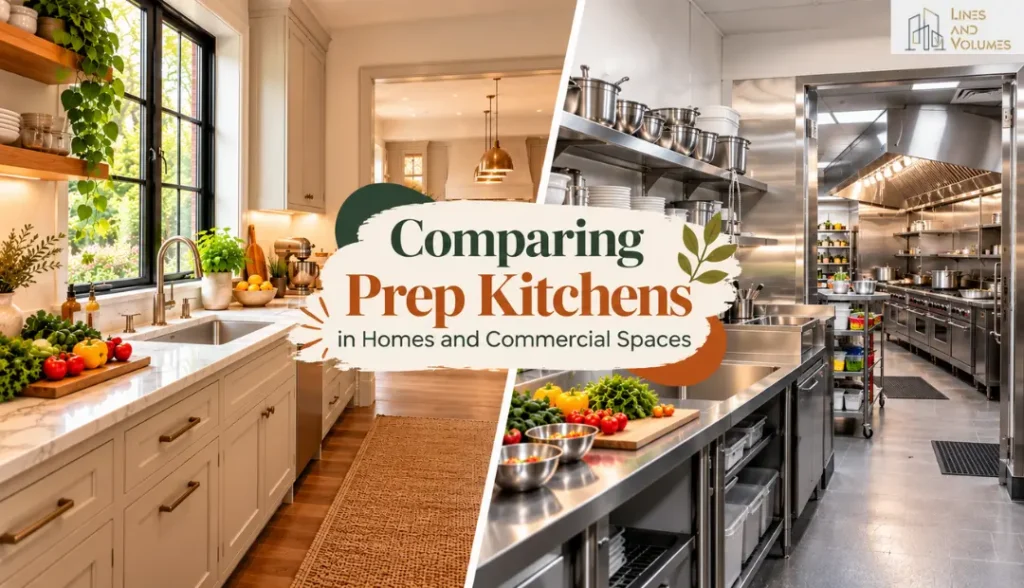
A prep kitchen is a behind-the-scenes backspace of the main kitchen, where the food preparation takes place. It can also serve as storage space or a spot for a refrigerator. A prep kitchen is especially useful for caterers, bakers, food truck operators, pop-up chefs, and packaged food brands.
The main benefits of residential prep kitchens include a secondary workspace during parties or daily family life. A residential kitchen’s common features are additional counters, an extra dishwasher and a second sink.
What Is a Prep Kitchen?
A prep kitchen is also known as a secondary kitchen connected to the main kitchen, used for handling food preparation, managing cleanup, and storing small appliances.
A prep kitchen doesn’t necessarily need a stove or a full set of cooking appliances; what matters depends on how you utilize the space.
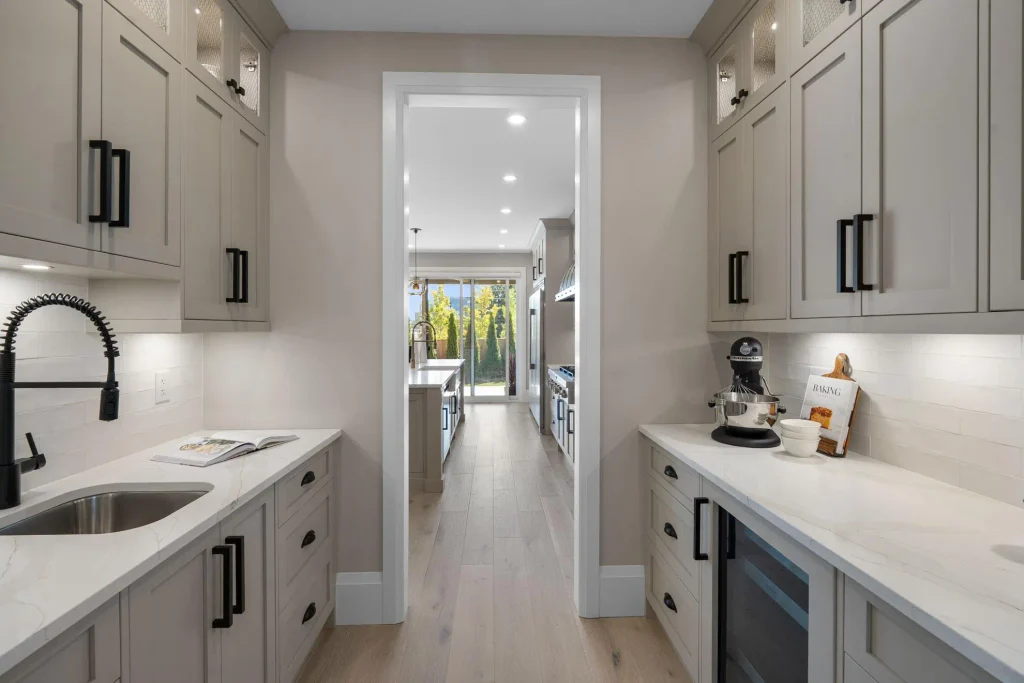
Why a Prep Kitchen Is Needed in Residential Homes
Concealing Kitchen Clutter
A prep kitchen keeps dirty dishes, used cookware, food scraps, and messy preparation tasks away from guests during gatherings. This helps maintain a tidy main kitchen even while cooking continues behind the scenes.
Maintaining an Open-Concept Design
In open-plan homes, the main kitchen often forms part of the living and dining areas. A prep kitchen provides a separate workspace for everyday cooking tasks, allowing the main kitchen to remain clean, uncluttered, and visually appealing.
Storing Small Appliances
The most commonly used appliances, like blenders, toasters, and coffee makers, occupy valuable space on the counter. A prep kitchen provides work surfaces for these items, keeping your main kitchen organised.
Creating Additional Work Zones
So, an extra secondary refrigerator gives homeowners more room, right? Moreover, a few other appliances such as a dishwasher or microwave also occupy unnecessary space. If there’s a prep kitchen, it is used to prepare meals and manage cleanup.
Extra countertops, a second sink, a dishwasher, or a secondary refrigerator give homeowners more room to prepare meals and manage cleanup. These features prove especially useful when preparing elaborate meals or hosting large gatherings.
Accommodating Specialized Kitchen Stations
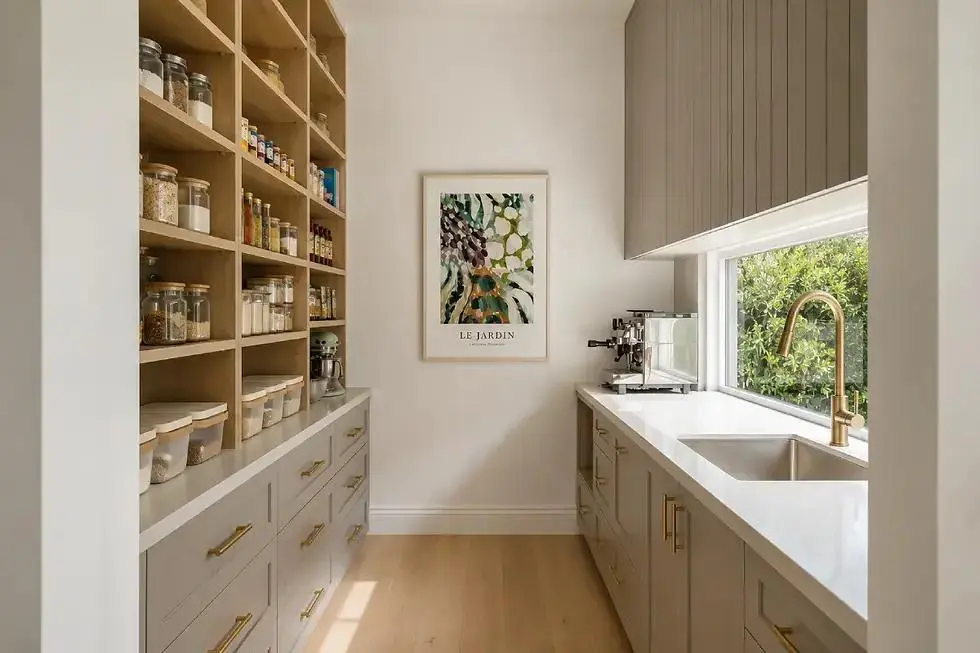
Some homeowners can use a prep kitchen for specific needs or hobbies. Suppose you love baking; a dedicated baking area makes sense. For coffee lovers, make changes to suit your preferences and turn the space into a coffee station. This kind of arrangement keeps related supplies and equipment tucked in and organized while freeing up space in the main kitchen.
Why a Prep Kitchen Is Needed in Commercial Kitchens
Preparing Ingredients Before Service
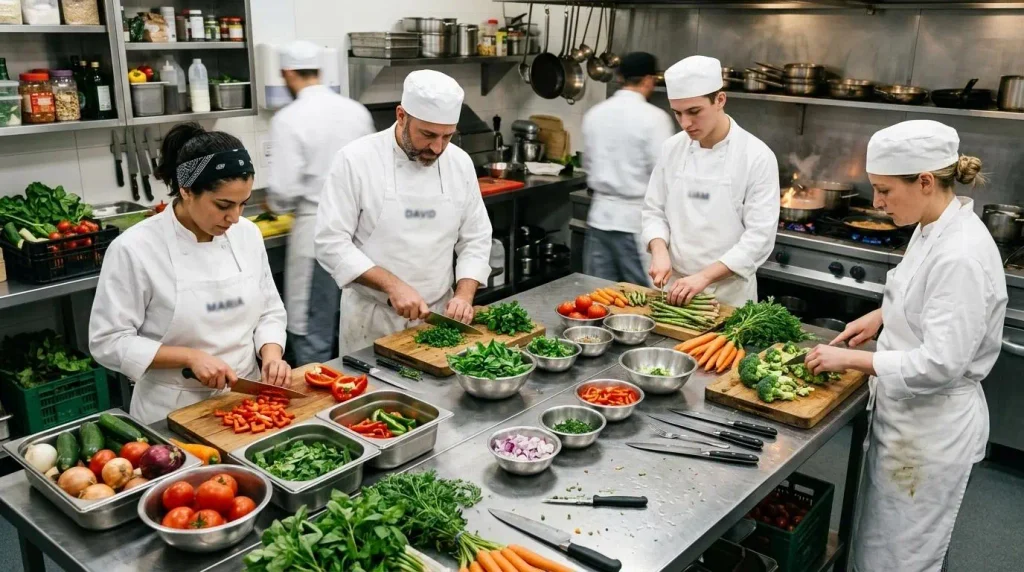
If you ever visit a restaurant kitchen, you must have thought for a second: how do they handle so many tasks? It’s the prep kitchen where all tasks begin, such as washing produce, chopping vegetables, trimming and marinating meat, and preparing sauces, which are done before serving. This allows the cooking team to focus on cooking and assembling dishes during busy periods.
Managing Workspace Congestion
To reduce crowding in the main cooking area, dedicated prep tables, sinks, and refrigerated storage give staff enough space to prepare ingredients. This keeps food preparation separate from tasks that require stoves, ovens, and other cooking equipment.
Maintaining Consistent Food Quality
A dedicated prep area helps kitchen staff measure ingredients, control portion sizes, and prepare sauces or other components according to standardized recipes. This promotes consistency across dishes and service periods.
Conclusion
A prep kitchen plays an important role, depending on the purpose, whether in a residential home or a commercial kitchen. It provides extra workspace, storage, and a place to handle messy tasks. In commercial settings, it helps kitchen staff prepare ingredients in advance, maintain consistency, and manage busy service periods more efficiently. Whichever setting it may be, the goal remains the same: to make food preparation easier and keep the main cooking area organized.
Keep Reading:
- Open Kitchen Ideas That Feel Effortlessly Elegant
- 7 White Kitchen Blue Island Ideas
- Select Rich-Colored Marble Kitchen Trends 2026

Mansi is a creative designer with three years of professional experience, specializing in clean, balanced, and purpose-driven visuals. She is also a passionate writer whose work shows a strong sense of layout, composition, and visual hierarchy. Outside work, she enjoys sketching, experimenting with color, and spending time around plants and outdoor spaces. Connect with her on LinkedIn.