
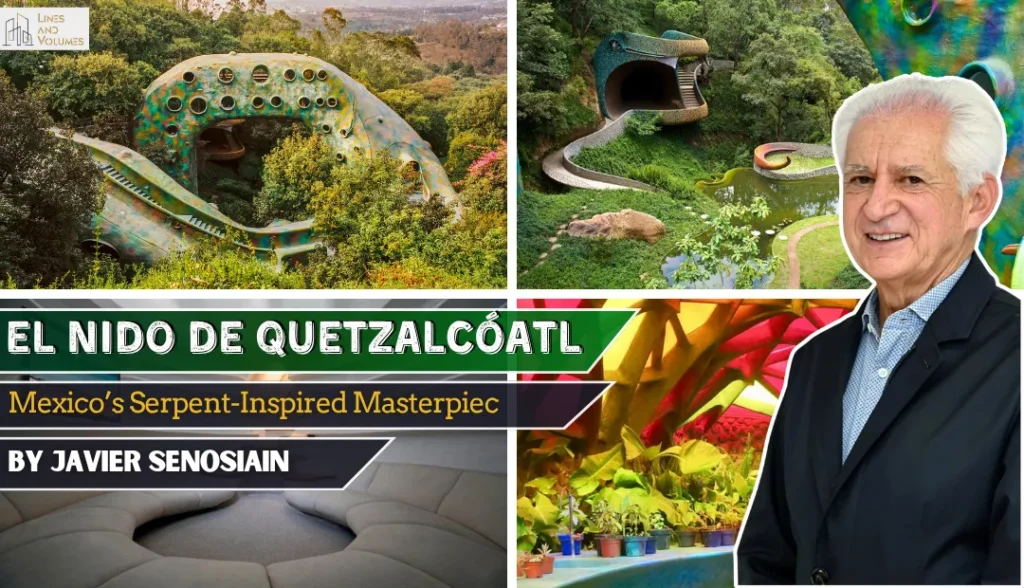
Nestled in the wooded hills of Naucalpan on the outskirts of Mexico City, the giant serpentine structure El Nido de Quetzalcóatl is a globally recognized leading example of organic architecture.Led by renowned Mexican architect Javier Senosiain, it is a residential complex. It includes architectural craft, mythological imagery, ecological concepts, and sculptural aesthetics. It is not an ordinary tourist attraction that only serves as a check-in spot for visitors.
What Is El Nido de Quetzalcoatl?
The building’s core residential space consists of 10 apartments embedded within the body of the giant feathered serpent. The project launched construction in the early 2000s century and was officially completed in 2007, sited on a steep, irregular mountain plot that features natural caves. From the initial stages of the project, Senosiain rejected the conventional practice of leveling the site and altering the original landforms, instead insisting on shaping the building’s overall form to follow the natural undulations of the plot.
El Nido De Quetzalcóatl History
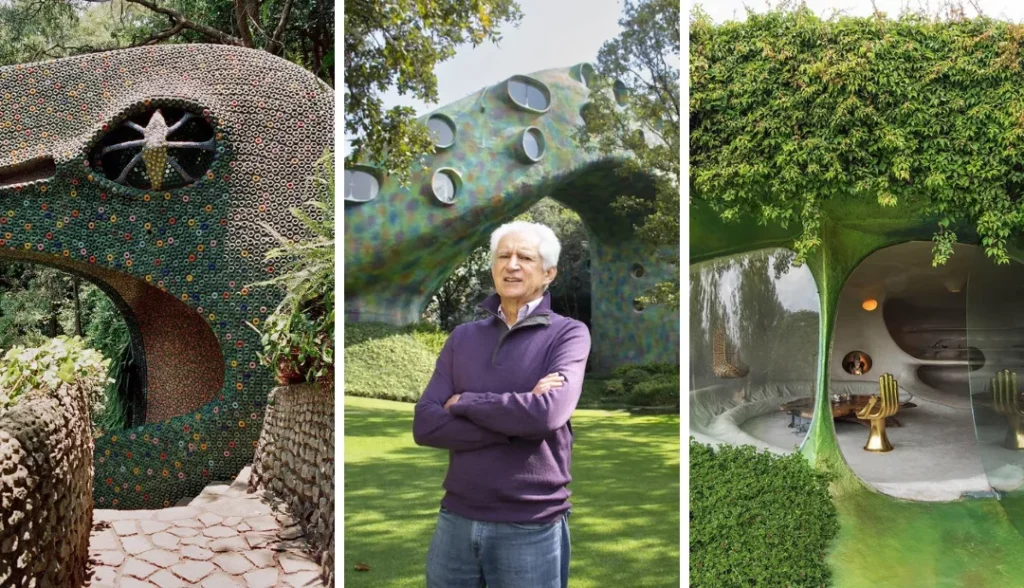
Quetzalcóatl, the supreme deity worshipped across ancient Mesoamerican civilizations including the Aztec and Toltec, carries core cultural connotations of wisdom, creation, and the connection between heaven and earth. The designer built a perceptible bridge between this ancient mythic symbol and modern residential life by creating a fully traversable complete
serpentine interior space, and cladding the exterior walls with glossy mosaic scales that shift their luster as sunlight moves across them.
Organic Architecture at Its Purest
The core tenet of the organic architecture school is to achieve deep harmony between humans and nature. Senosiain’s design was deeply influenced by Frank Lloyd Wright and Antoni Gaudí, the benchmark figures of this movement. The approach adopted in this project—outlining the building’s profile along the site’s natural gullies and depressions, and fully preserving the original vegetation and geological formations—makes it a highly representative classic model in the field of contemporary organic architecture.
The project El Nido de Quetzalcóatl embeds the core proposition of “integrating, rather than separating, humans and nature” throughout its full lifecycle. From conceptual design, construction implementation, ecological planning, space creation to operation and promotion. The project’s architect, Senosiain, criticizes modern architecture for forcing people into repetitive “box-shaped” spaces, and argues that only designs that align with natural forms can create more human-centric residential environments.
Construction Challenges and Materials
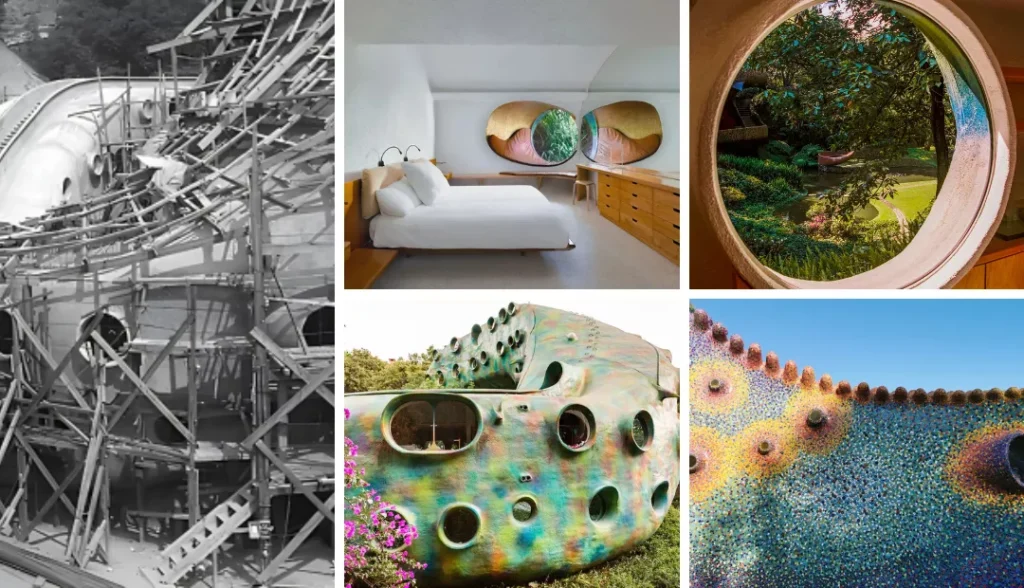
The project’s site features irregular terrain and a native cave system; traditional construction methods would have triggered large-scale excavation and environmental damage, so the team ultimately adopted the lightweight, durable ferrocement (wire-mesh cement) technique to build a smooth, sculpture-like serpentine main building structure.
Interior designs including curved walls and porthole-style windows introduce natural light, effectively eliminating the sense of boundary between indoor and outdoor spaces.
Landscape Design and Ecological Vision
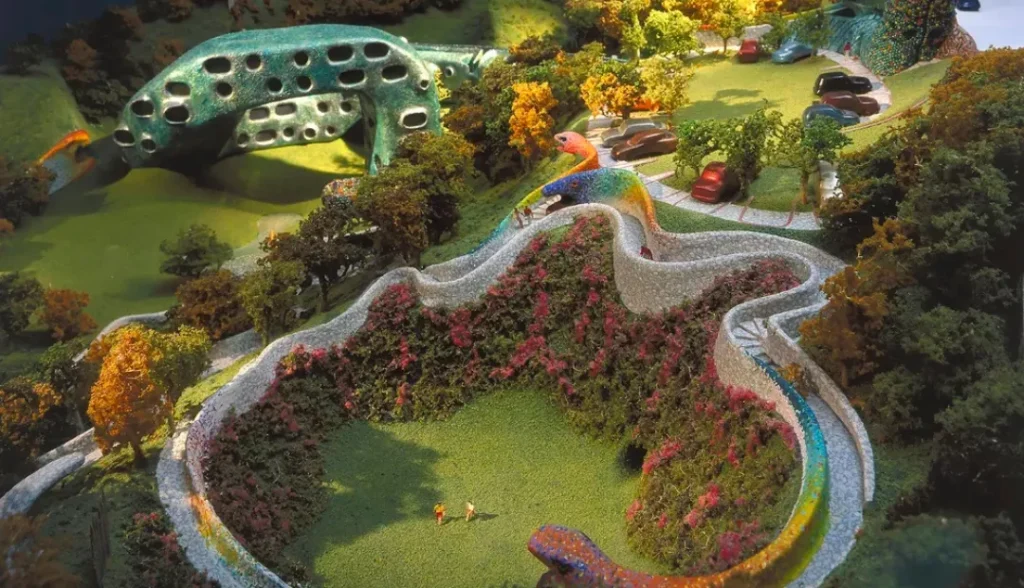
The building is located in Parque Quetzalcóatl, an ecological zone developed over many years. The park features a full set of ecological facilities, including oak forests, ponds, a desert garden, greenhouses, a medicinal plant area, a butterfly garden, and a rainwater collection system. Landscape artist Guillermo Ashida participated in the creation of the desert garden, introducing native cacti and other local species from across Mexico. The building blends into the terrain instead of altering the original landform, creating the appearance of natural growth.
The project currently rents some apartments as short-term vacation stays. It gains global recognition through architectural tourism and social media exposure.
Why El Nido de Quetzalcóatl Became Internet Famous
In recent years, the project has gone viral on mainstream platforms including Instagram, Pinterest, Reddit, and TikTok. Its surreal serpentine exterior creates a strong visual impact in drone footage. The Reddit user says the building “grew naturally rather than being built.” Netizens praise its blend of fantasy, ecological sustainability, and craftsmanship.
Javier Senosiain’s Architectural Philosophy
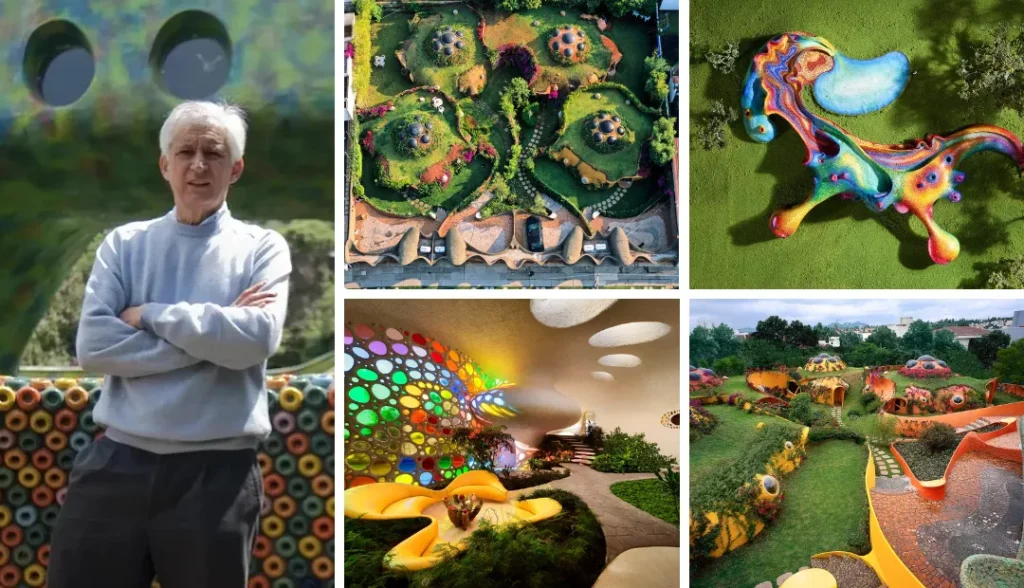
Its creator, Javier Senosiain, is a leading representative of Latin American organic architecture.His works generally follow four core traits. They include adapting to natural terrain and blending with surroundings. They also involve replicating textures and integrating local cultural symbols.
He primarily uses reinforced concrete and local native clay as construction materials. He has created two other representative works. These include the Serpentine Residence and the Coral Cabin.
These types of creative works have together positioned Mexico as a global core hub for experimental organic architecture.
Can You Visit El Nido de Quetzalcóatl?
Yes, the place is open for tourists, although somewhat limited access because the complex is residential and also privately managed. The core motivation for most tourists is to experience this convention-defying residential paradigm up close.
Wrapping Up
The project blends fantastical qualities, ecological logic, engineering technology, and local cultural symbols. It offers an alternative model of coexistence between humans and nature. It continues to spread widely across various global professional and public platforms, fundamentally challenging the traditional definition of residential architecture.
Check Out More:
- 3000 Hanover Lobby in Palo Alto – Form4 Architecture
- Amoeba House in Itú São Paulo
- Javier Senosiain: Types Of Organic Architecture

Dipanjan is a digital marketing professional with five years of hands-on experience across strategy building, content, and performance-driven campaigns. He has worked on building structured marketing systems that focus on reach, engagement, and measurable growth. Known for his analytical thinking and consistency, he brings a practical approach to digital execution. Outside of work, he loves cooking, painting and enjoys exploring interior setups. Connect with him on LinkedIn.