
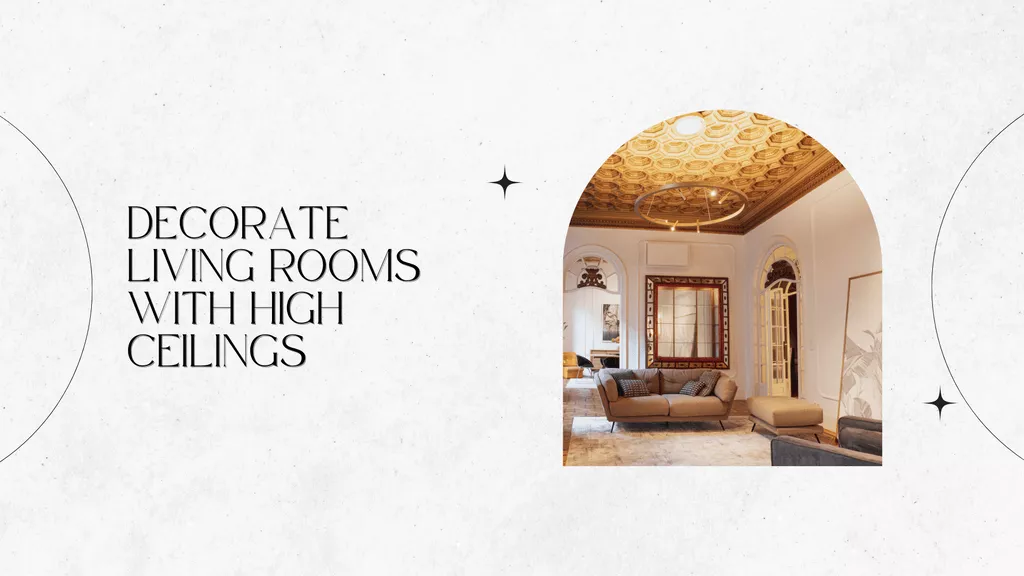
A living room with high ceilings is both a decorator’s dream and a dilemma. The added height brings drama and expansiveness, but it can also leave long stretches of empty walls and make the furniture feel disconnected from the room.
As majority of residences, a high ceiling usually means a height of 10 feet or higher, in contrast with the standard 8 to 9 feet common in many houses and apartments. That added vertical space transforms a room’s appearance, impact and utility. Decorating strategies that work in standard rooms often don’t translate to taller spaces, because the proportions are different.
This guide explores practical ways to decorate a living room with a high ceiling and make the most of vertical wall space. You’ll learn how to choose the right furniture scale, hang curtains correctly, and create a tall room that feels balanced, comfortable, and inviting.
What Counts as a “High” Ceiling?
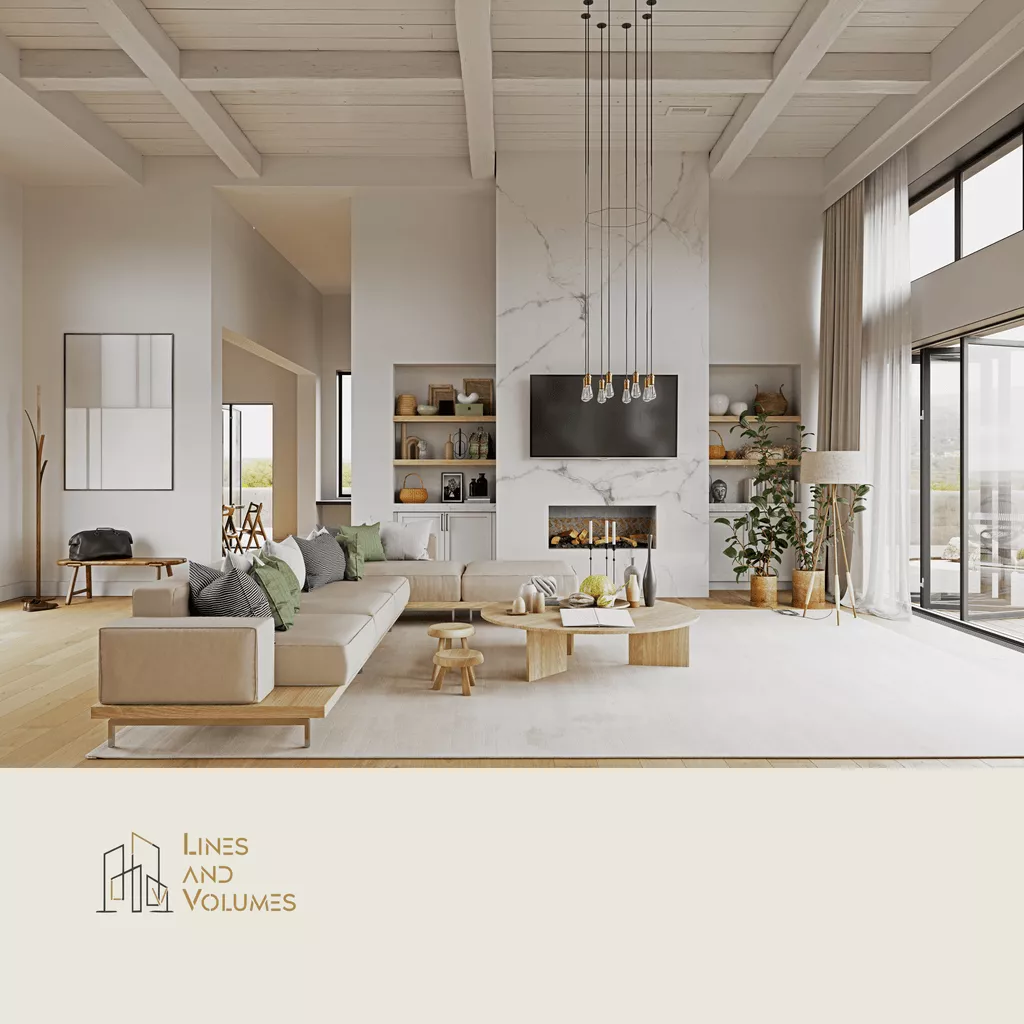
People throw the term around, but generally, anything above nine feet starts to qualify. Cross twelve feet and you’re officially in tall-room territory. That’s when scale starts to matter a lot.
You’ll find these ceilings in older homes with beams, villas and bungalows, and modern luxury homes using double height spaces. Newly built structures go sleek and minimal, sometimes a bit too minimal.
Also Read: How to Create a Luxury Home Library
Lift the Curtains
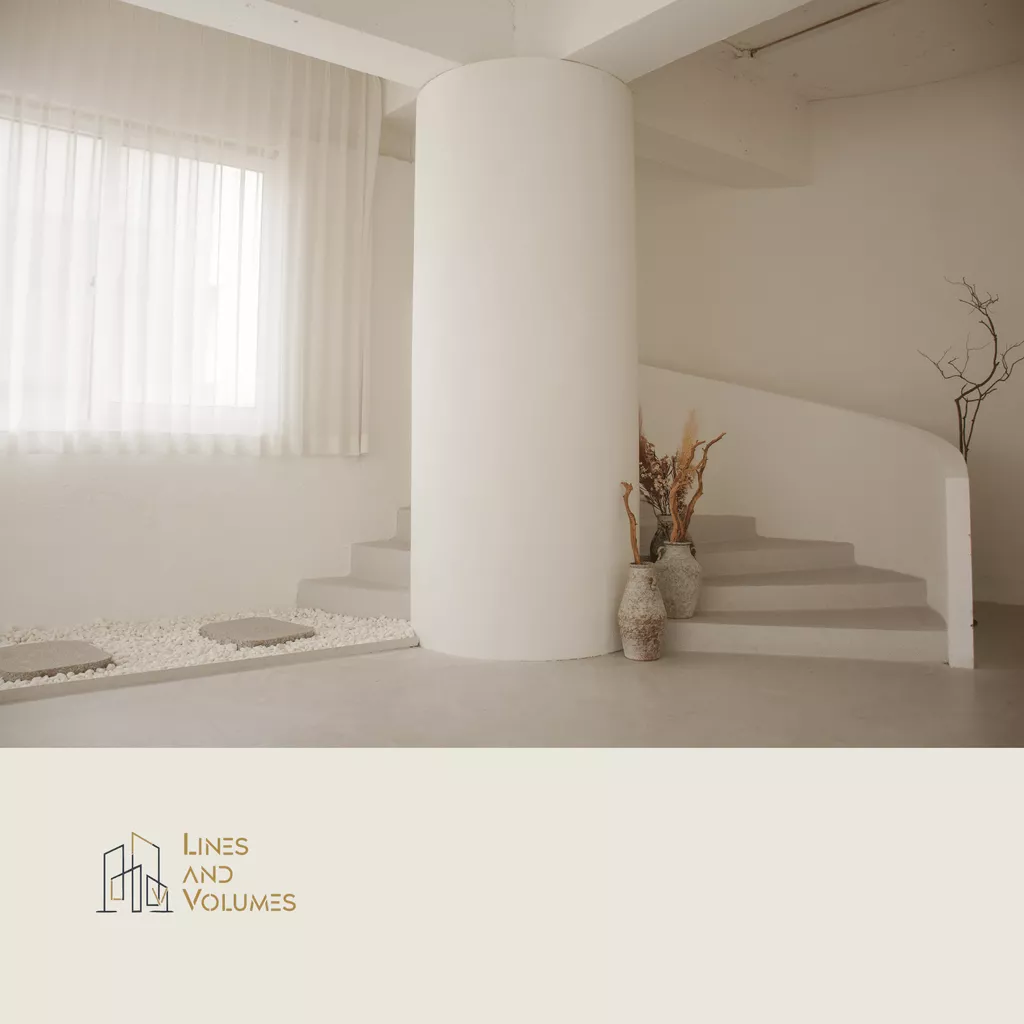
Don’t make this mistake of hanging a standard curtain, instead push those curtain rods up. Higher than the window frame. At first it may look awkward but your eye will follow the fabric upward and you will find windows will suddenly look larger than they appeared before.
Where Wall Meets Ceiling
The real magic starts at the top of an accent wall, highlighting the line where the wall meets the ceiling. Paint, subtle molding, even carrying the same color adding in the window trims, door frames and floors.
It feels modern, slightly unexpected and honestly, your guests will feel why the space feels pulled together.
Let the Ceiling do The Work
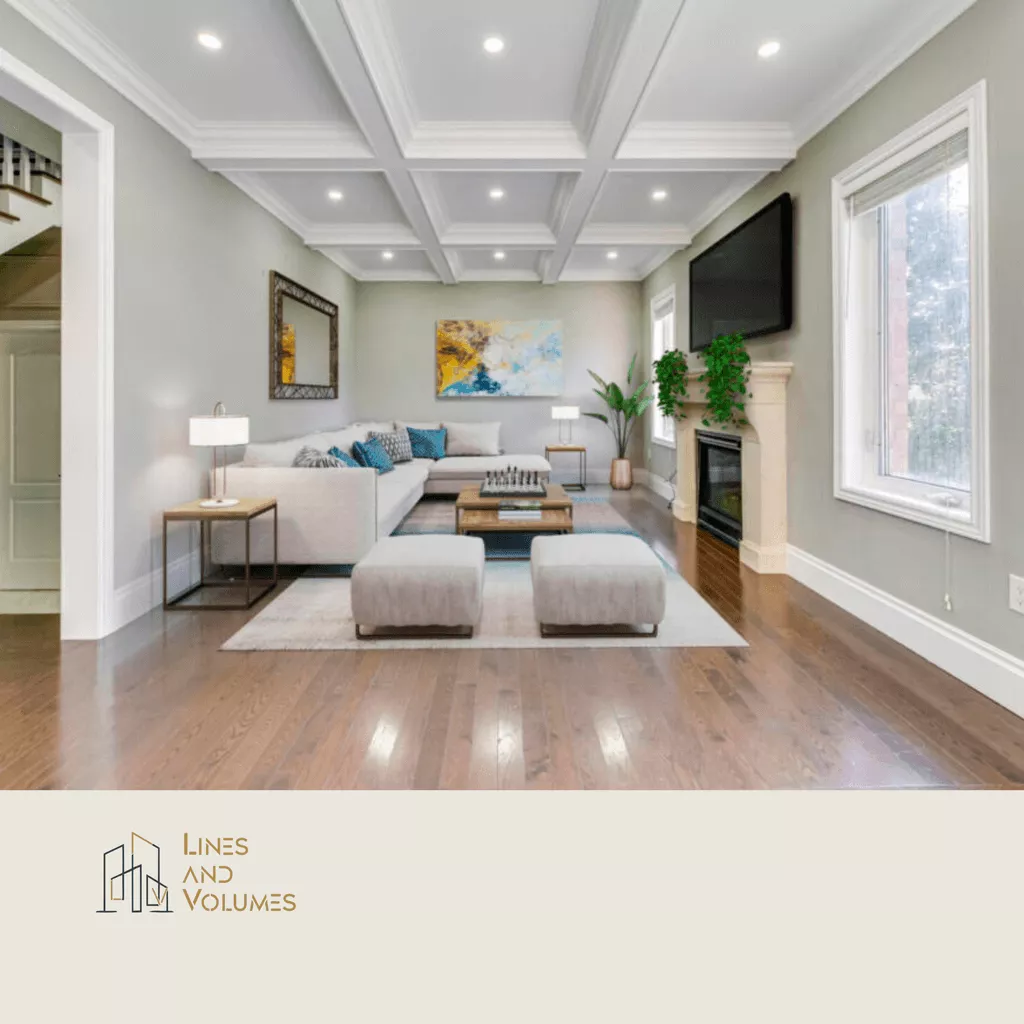
Got a coffered ceiling, then you’re already set. That grid of recessed panels adds texture without asking too much attention.
Think of it like an accent wall, just overhead.
Aspect, some uniformity that helps to create natural depth and shadow speak for themselves and keeps the room from feeling chopped up or heavy.
Too much contrast up there can close things in. And that’s the last thing you want.
Fill the Room with Large Furnitures
Tall rooms need weight, a low-profile, and ordinary looking sofa won’t cut it here. You want pieces that feel confident. Think of a bookcase that actually reaches up instead of stopping halfway like it got tired. Addition of a floor lamp that doesn’t apologize for being tall.
Don’t just think of expensive ideas. I’ve seen craft-store finds do the job beautifully. One or two oversized pieces, placed well, can anchor the entire room and stop it from floating away.
Final Thought
High ceilings aren’t something to fix. They’re something to take action on. Keep in mind balance is the goal, height up top, substance below. Texture, color, a few bold choices that all you need.
And if it feels a little imperfect at first, that’s fine. Real rooms always do.
For more information to follow visit Lines And Volumes.
Useful reads:

Mansi is a creative designer with three years of professional experience, specializing in clean, balanced, and purpose-driven visuals. She is also a passionate writer whose work shows a strong sense of layout, composition, and visual hierarchy. Outside work, she enjoys sketching, experimenting with color, and spending time around plants and outdoor spaces. Connect with her on LinkedIn.