
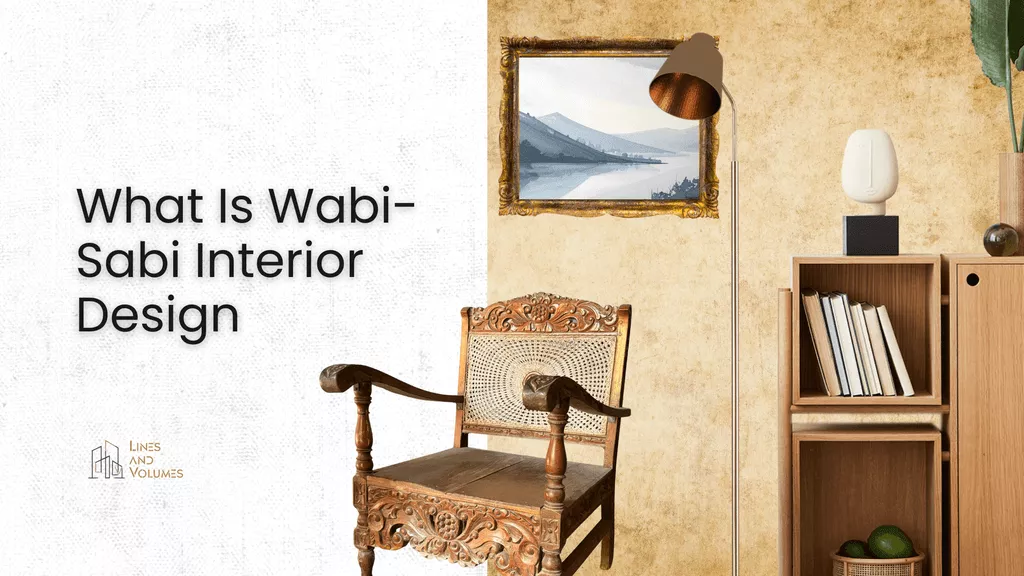
Wabi-sabi is a Japanese philosophy. If we break down the words, “wabi” refers to simplicity and modesty, while “sabi” describes the beauty that emerges through aging and wear and tear.
This interior trend finds its place in the luxury segment, focusing on calmness and the beauty of imperfection.
Principle of Wabi-sabi
Its core principle lies in authenticity, imperfection, incompleteness, embracing natural elements, without complicating things. In one sentence, to sum it up, “it’s a way life goes on.” It also reminds us that nothing lasts forever.
Embrace Imperfection in Everyday Life
In contrast, the wabi-sabi interior known as the epitome of accepting nature’s beauty as it is. Using material like wood, stone, clay for earthy looks. Accepting things that can never be perfect, where time leaves its mark and patina on walls and cracks in wood panels emphasize natural beauty.
How to Apply Wabi-Sabi to Daily Life
If you celebrate life in a simple way, wabi-sabi design comes naturally to you.
Let Go of Perfection in Daily Chores and Routines
Incorporate nature in your space, welcome natural wood, natural linen, woolen pillows, woven items, rugs, curtains and rustic furniture.
Choose Items for Meaning, Not Polish
Adding handmade decor items gives minimalist interiors a distinct character. The idea is to create a unique space where handmade, carved pieces celebrate beauty by accepting flaws. That’s the whole point, unique but modest.
Notice Small Details and Subtle Beauty in Everyday Scenes
Have a sense of minimalism, approach with few meaningful items, keeping overall space uncluttered. Find a subtle color palette, which appreciates surroundings. You may also add greenery into your space as it is an ever evolving element of interior design.
Allow Natural Aging of Things
Organic forms and aging over polished perfection. Irregular composition of room emerges as time plays its role, allowing you to mix and match elements around you. Add objects that naturally age, such as a vase, pampas grass, polished brass decor items, or handmade pottery.
Real World Examples to Start Your Journey
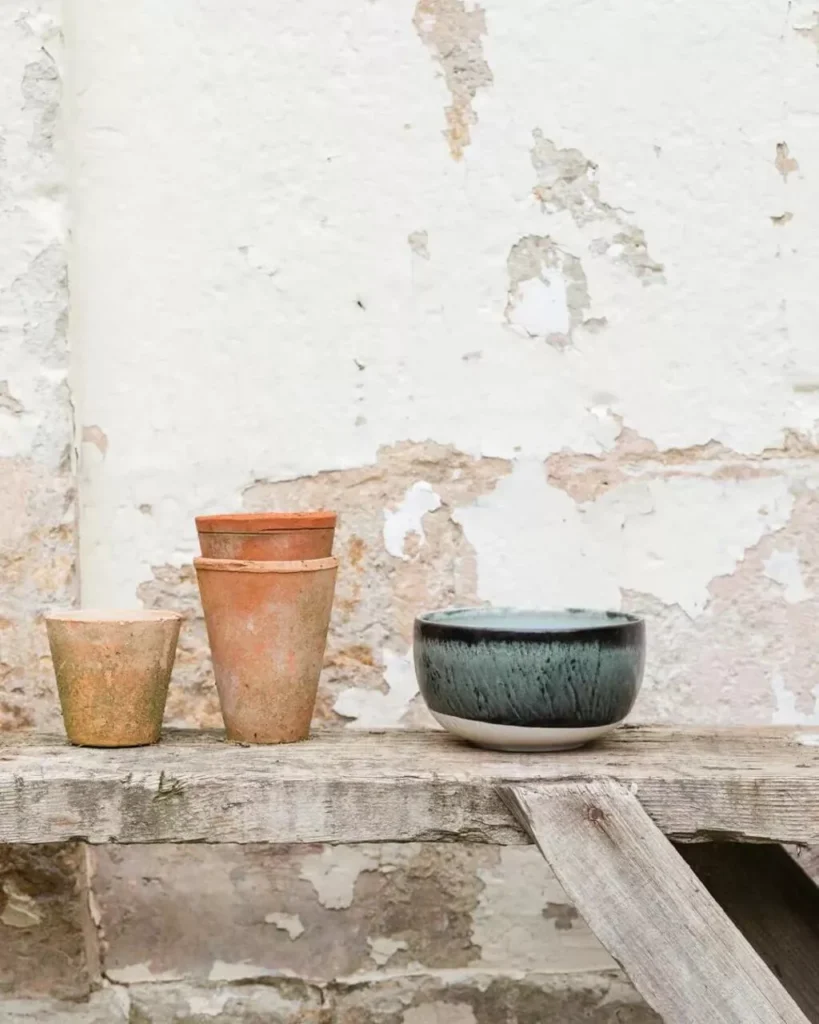
- A Hand-made ceramic bowl
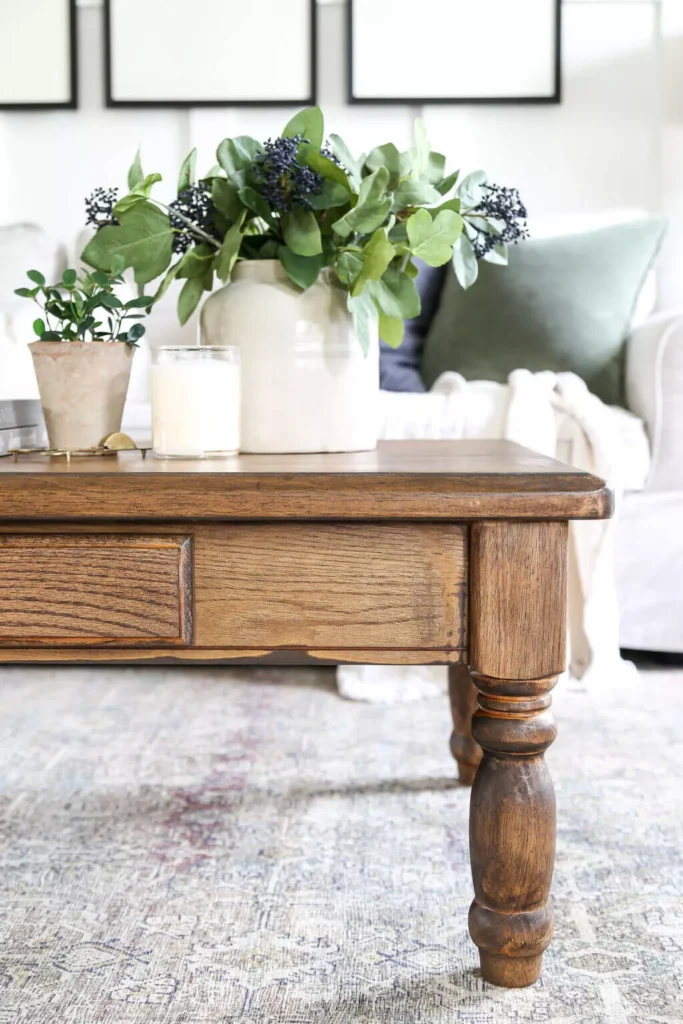
- A wooden table marked by years of use
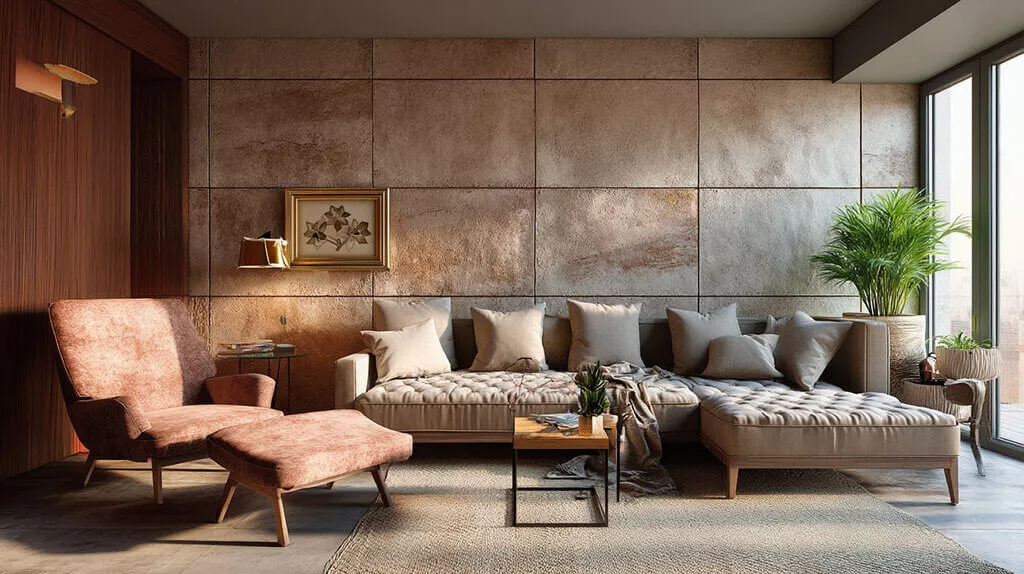
- Wall where sunlight reveals texture and shadow
- Some repaired objects carries visible signs of personal care
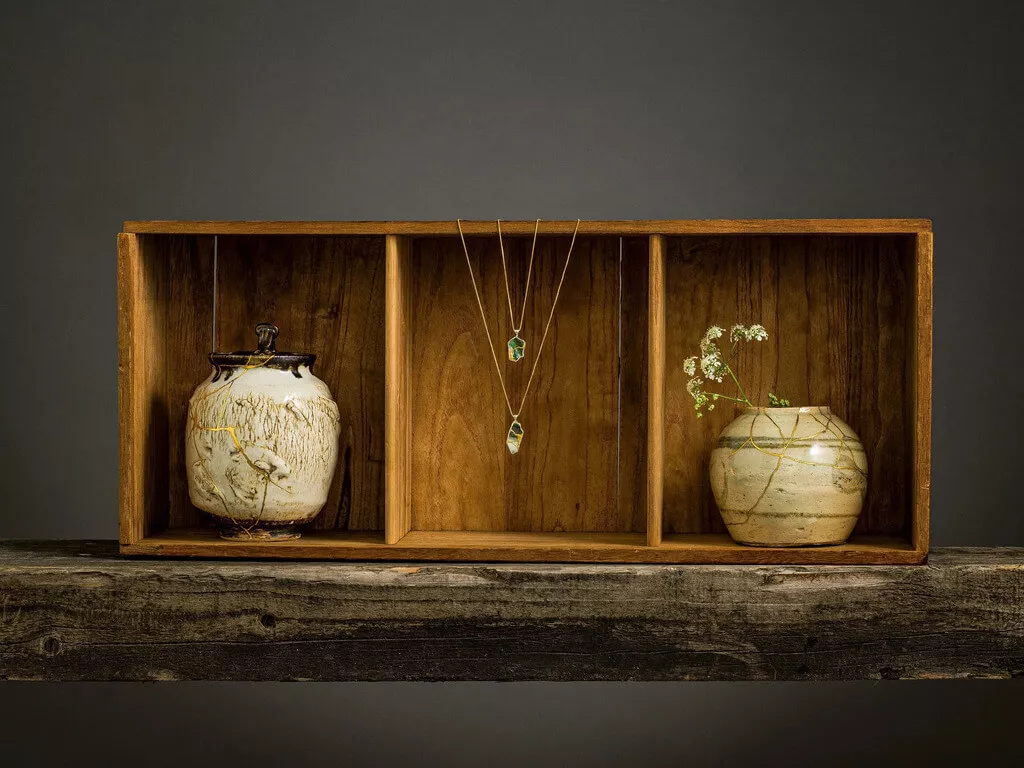
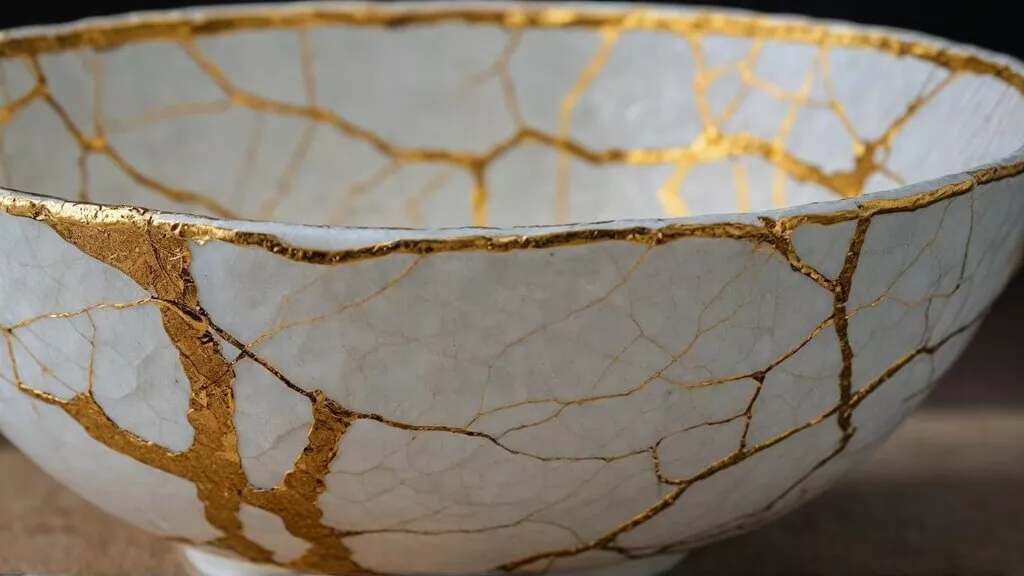
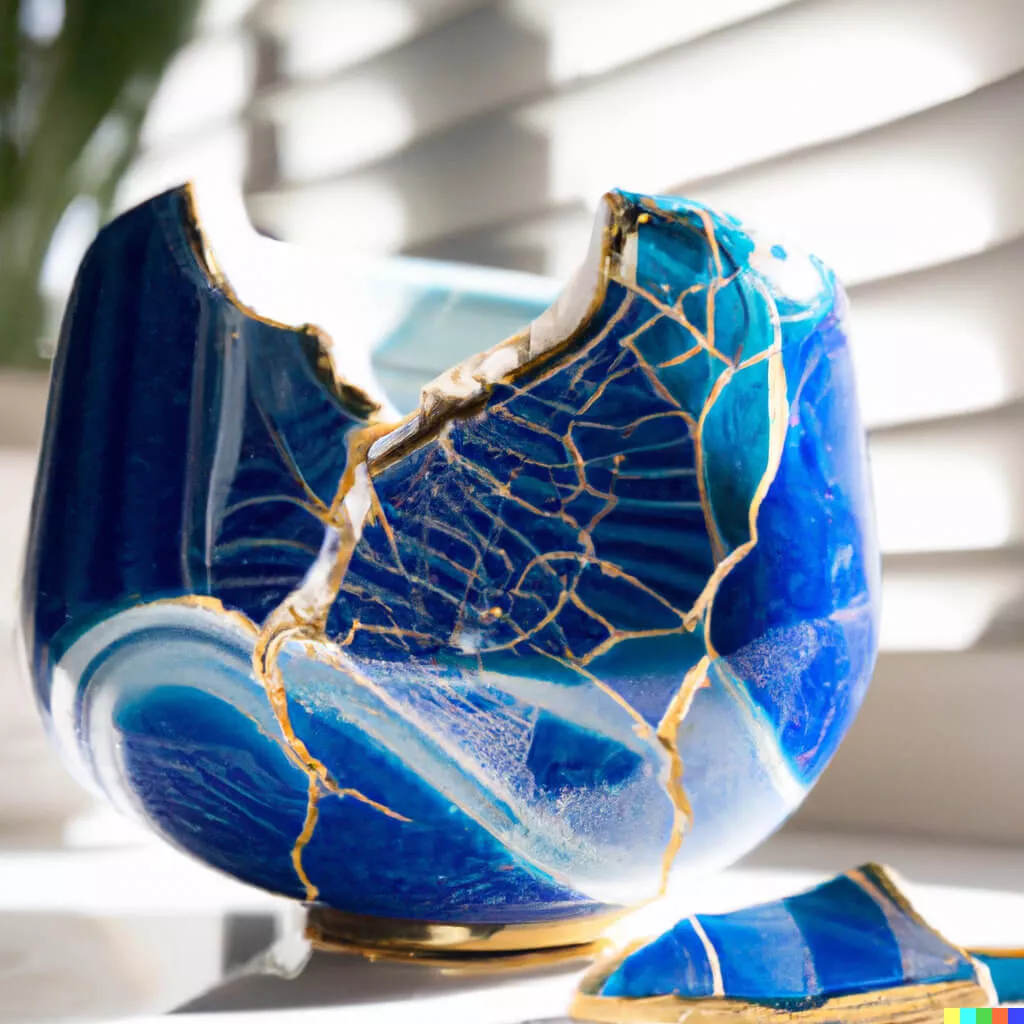
A well-known example is kintsugi, Japanese practice of repairing broken pottery with gold instead of hiding, highlighting them.
Related Reads: How to Create a Luxury Home Library
Conclusion: Encourage Personal Reflection
Wabi-sabi is about stopping the chase for perfection and noticing the deeper value in what already exists. It doesn’t ask you to lower your standards, but to change your point of view and focus on what truly matters.
Explore more insights from expert-backed ideas on Lines And Volumes.

Navdeep is a PHP programmer by profession, & rider by passion with a strong interest in writing, reflection, and travel. His writing draws from daily experiences across online and real-world settings, often influenced by an interest in interior design and how spaces affect mood and function.