
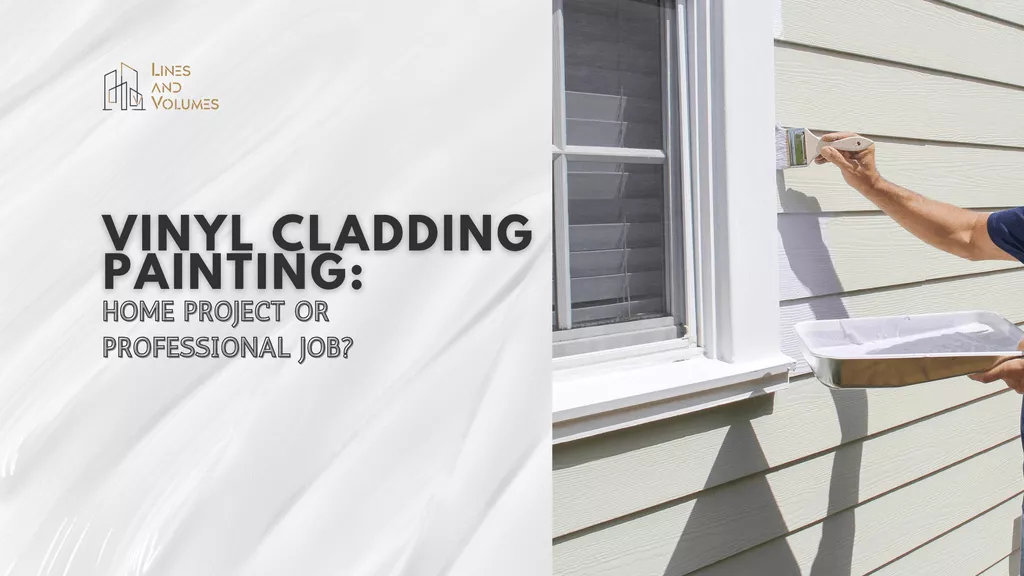
Feeling that your home’s exterior vinyl cladding looks outdated and tired? If you’re thinking of replacing it, be prepared to loosen up your pockets. But what if you could simply paint the vinyl cladding instead? Yes you can just paint it. Also, it’s a cost-effective way to give your house a refreshed look, moreover the paint offers insulation and soundproofing.
We have covered step by step process, risks and FAQs to help transform your home’s front exterior.
Step By Step Process:
Painting vinyl cladding may be challenging as it’s not simple like painting wood or metal. First dig out paperwork, check out if paint works void your product warranty. Worth knowing now, not later.
Step 1: Cleaning and fixing
Remove dirt, spider webs, and whatever the wind has brought using a garden hose.
Grab a soft brush and scrub. Pay attention to the ugly spots and especially under trim, where dirt likes to hide and pretend it’s invisible.
Rinse everything thoroughly. A pressure washer works if you keep it on low pressure with a wide fan. A regular hose with a nozzle is fine too.
Giving twenty four to forty eight hours of dry time is not optional. Vinyl hates trapped moisture.
Lastly, spot any cracks or holes? Fill them with exterior grade caulk.
If there are any rough patches? Sand them down. This is the moment where small fixes save big headaches.
Step 2: Protect area where you don’t want paint
Cover windows, light fixtures, vents, outlets with tape and plastic sheeting. Basically anything that you don’t want to regret later if paint lands on it.
Step 3: Paint Choice Matters
Not all paints are friendly to vinyl surfaces, so go with an acrylic base. Acrylic based provides flexibility so it can expand and contract when temperatures swing. Make sure the label says vinyl safe.
Choosing dark colors looks sharp, but they absorb heat and heat makes vinyl misbehave. Also ensure the paint provides UV resistance.
Step 4: Is a Primer Needed?
Primer is optional and depends on the quality of paint you’re using. Many good exterior paints don’t require a primer.
But if you do apply one, keep a few things in mind: use a thin, even coat and allow proper drying time, please don’t be impatient.
Step 5: Time To Paint
Use a sprayer for a clean, even finish, though a high-quality roller can also get the job done. I’ll leave that choice to you.
Thin coats always win. Avoid heavy layers, drip, run, that cause problems later. Work in sections and keep a wet edge so you don’t end up with streaks that catch the light at the worst possible angle.
Don’t paint on sunny days, paint that dries quickly doesn’t band well. Moisture in the air can mess with adhesion in subtle, annoying ways.
Once the final coat is on, let it cure. At least a full day before rain, washing, or curious hands touching the surface.
Explore more: Why Pink and Green Color Looks Perfect Combination
FAQs
How long does paint last on vinyl cladding?
If done correctly, there are people on Reddit who say painted vinyl siding can last up to 10 years. However, depending on your location and how regularly you wash it, the lifespan can vary from one home to another. In short, for at least 8 years you need not to worry.
Can you paint any vinyl color?
It’s important to note that vinyl siding shouldn’t be painted a dark color. Dark shades heat up quickly, which can affect the longevity of the vinyl cladding.
What if paint starts peeling?
It’s unusual, so peeling usually means something went wrong with prep, product choice, or heat exposure.
Keep visiting Lines And Volumes to find related ideas and practical guides to help you plan better.

Rahul works in digital advertising with a focus on performance-oriented campaigns and audience targeting. His experience spans campaign planning, execution, and optimization, with an emphasis on efficiency and clarity. Outside of work, he loves playing cricket and enjoys tending to plants and taking long drives. Connect with him on LinkedIn.